

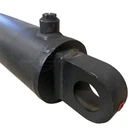



Hey there! As a supplier of Dump Cylinders, I often get asked about how to check the hydraulic pressure of these crucial components. In this blog, I'll walk you through the process step by step, so you can keep your dump cylinders in top - notch condition.
Why Checking Hydraulic Pressure is Important
First off, let's talk about why it's so important to check the hydraulic pressure of a dump cylinder. The hydraulic system in a dump cylinder is what allows it to lift heavy loads and perform its function efficiently. If the pressure is too low, the cylinder might not be able to lift the load properly. On the other hand, if the pressure is too high, it can cause damage to the cylinder, hoses, and other components of the hydraulic system. This can lead to costly repairs and downtime for your equipment.
Tools You'll Need
Before you start checking the hydraulic pressure, you'll need to gather a few tools. Here's what you'll typically need:
- Pressure Gauge: This is the most important tool for measuring the hydraulic pressure. Make sure to get a gauge that is compatible with the pressure range of your dump cylinder.
- Wrenches: You'll need wrenches to connect the pressure gauge to the hydraulic system. Make sure to have the right size wrenches for the fittings on your dump cylinder.
- Safety Gear: Always wear safety glasses and gloves when working with hydraulic systems. Hydraulic fluid can be under high pressure and can cause serious injury if it comes into contact with your eyes or skin.
Step - by - Step Guide to Checking Hydraulic Pressure
Step 1: Prepare the Equipment
First, make sure the dump truck or equipment with the dump cylinder is parked on a level surface. Turn off the engine and engage the parking brake. This will prevent any accidental movement of the equipment while you're working on the hydraulic system.
Step 2: Locate the Pressure Test Port
The pressure test port is usually located on the hydraulic line near the dump cylinder. It's a small fitting that is designed to allow you to connect a pressure gauge. Consult your equipment's manual if you're having trouble finding the test port.


Step 3: Connect the Pressure Gauge
Once you've located the pressure test port, use the appropriate wrench to loosen the cap on the port. Then, carefully connect the pressure gauge to the port. Make sure the connection is tight to prevent any hydraulic fluid from leaking.
Step 4: Start the Engine and Operate the Hydraulic System
Start the engine of the dump truck and let it warm up for a few minutes. Then, operate the hydraulic controls to extend the dump cylinder. As the cylinder extends, the pressure gauge will show the hydraulic pressure.
Step 5: Read and Record the Pressure
Watch the pressure gauge as the cylinder extends. The pressure should reach a certain level, which is specified in your equipment's manual. Read the pressure on the gauge and record it. Make sure to note the pressure at different stages of the cylinder's extension, such as when it starts to lift the load and when it reaches its full extension.
Step 6: Compare the Pressure with the Specifications
Once you've recorded the pressure, compare it with the specifications provided by the manufacturer. If the pressure is within the specified range, then your hydraulic system is working properly. If the pressure is too low or too high, you'll need to troubleshoot the system to find the cause of the problem.
Step 7: Disconnect the Pressure Gauge
After you've finished taking the pressure readings, turn off the engine and let the hydraulic system cool down. Then, use the wrench to carefully disconnect the pressure gauge from the test port. Replace the cap on the test port to prevent any dirt or debris from entering the hydraulic system.
Common Causes of Incorrect Hydraulic Pressure
If you find that the hydraulic pressure is not within the specified range, here are some common causes:
- Leaking Hoses or Fittings: A leak in the hydraulic hoses or fittings can cause a drop in pressure. Inspect the hoses and fittings for any signs of leakage, such as wet spots or hydraulic fluid stains.
- Worn Seals: The seals in the dump cylinder can wear out over time, causing the pressure to drop. If you suspect worn seals, you'll need to replace them.
- Faulty Pump: The hydraulic pump is responsible for generating the pressure in the system. If the pump is not working properly, it can cause the pressure to be too low or too high.
Our Range of Dump Cylinders and Related Products
As a dump cylinder supplier, we offer a wide range of high - quality dump cylinders to meet your needs. In addition to dump cylinders, we also supply other types of hydraulic cylinders for garbage trucks, such as Ejector Cylinders, Packer Cylinder, and Tailgate Lift Cylinder.
Our cylinders are made from high - quality materials and are designed to withstand the rigors of heavy - duty use. We use advanced manufacturing techniques to ensure that our cylinders are reliable and durable. Whether you need a replacement cylinder for your existing equipment or a custom - made cylinder for a new project, we can help.
Contact Us for Your Hydraulic Cylinder Needs
If you have any questions about checking the hydraulic pressure of a dump cylinder or if you're interested in purchasing our dump cylinders or other hydraulic cylinders, don't hesitate to get in touch. We have a team of experts who can provide you with the information and support you need. Contact us today to start the conversation about your hydraulic cylinder requirements.
References
- "Hydraulic Systems Handbook" by Hydraulic Presses Inc.
- Manufacturer's manuals for dump trucks and hydraulic cylinders.