




As a supplier of Packer Cylinders, I've had the privilege of working closely with various industries that rely on these essential hydraulic components. Over the years, I've noticed a common question that often arises among our customers: What is the difference between a single - stage and multi - stage Packer Cylinder? In this blog post, I'll delve into the details of these two types of cylinders, highlighting their unique features, advantages, and applications.
Single - Stage Packer Cylinders
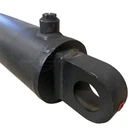
A single - stage Packer Cylinder is a relatively straightforward hydraulic device. It consists of a single piston and rod assembly within a cylinder barrel. When hydraulic fluid is pumped into the cylinder, it applies pressure on the piston, causing it to move in a linear motion. This movement is then transferred to the load, performing the required packing or compaction task.
One of the primary advantages of single - stage cylinders is their simplicity. With fewer moving parts, they are generally easier to manufacture, maintain, and repair. This simplicity also translates into lower costs, both in terms of the initial purchase price and long - term operational expenses. For small - scale operations or applications where the required stroke length and force are relatively modest, a single - stage cylinder can be an ideal choice.
Single - stage cylinders are often used in applications where space is limited. Their compact design allows them to fit into tight spaces, making them suitable for use in smaller machinery or equipment. For example, in some light - duty waste compactors, a single - stage Packer Cylinder can provide sufficient force to compress waste materials into a manageable size.
However, single - stage cylinders do have their limitations. They are typically limited in terms of the stroke length they can achieve. Since the piston moves within a single chamber, the maximum distance it can travel is determined by the length of the cylinder barrel. If a longer stroke is required, a single - stage cylinder may not be the best option. Additionally, the force output of a single - stage cylinder is also limited by its size and the pressure of the hydraulic system. In applications where high forces are needed, a single - stage cylinder may not be able to meet the requirements.
Multi - Stage Packer Cylinders
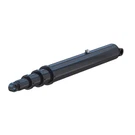
In contrast to single - stage cylinders, multi - stage Packer Cylinders are designed to provide longer stroke lengths and higher force outputs. A multi - stage cylinder consists of multiple nested cylinders, each with its own piston and rod. When hydraulic fluid is introduced into the cylinder, the pistons move in a sequential manner, extending the cylinder in stages.
The main advantage of multi - stage cylinders is their ability to achieve longer stroke lengths in a relatively compact design. By using multiple stages, the overall length of the cylinder can be significantly reduced compared to a single - stage cylinder with the same stroke length. This makes multi - stage cylinders suitable for applications where space is limited but a long stroke is required.
Multi - stage cylinders are also capable of generating higher forces. As the hydraulic fluid acts on multiple pistons, the combined force output can be much greater than that of a single - stage cylinder of the same size. This makes them ideal for heavy - duty applications, such as large - scale waste compactors, industrial presses, and construction equipment.
Another benefit of multi - stage cylinders is their versatility. They can be designed to meet a wide range of stroke lengths and force requirements, making them suitable for a variety of applications. For example, in the waste management industry, multi - stage cylinders are commonly used in Dump Cylinders, Ejector Cylinders, and Compactor Cylinders. These cylinders are responsible for tasks such as lifting and dumping waste, ejecting compacted waste from containers, and compressing waste materials into a smaller volume.
However, multi - stage cylinders are more complex than single - stage cylinders. They have more moving parts, which can increase the risk of mechanical failure and make maintenance more challenging. The nested design of the cylinders also means that they are more difficult to manufacture, which can result in higher costs. Additionally, the sequential operation of the pistons in a multi - stage cylinder can sometimes lead to uneven force distribution, which may require careful design and engineering to ensure smooth and efficient operation.
Choosing the Right Cylinder for Your Application
When deciding between a single - stage and multi - stage Packer Cylinder, several factors need to be considered. The first factor is the required stroke length. If a short stroke is sufficient for your application, a single - stage cylinder may be the most cost - effective option. However, if a longer stroke is needed, a multi - stage cylinder will be necessary.
The force requirements of your application are also an important consideration. If the load requires a high force to be moved or compressed, a multi - stage cylinder is likely to be the better choice. On the other hand, if the force requirements are relatively low, a single - stage cylinder may be sufficient.
Space constraints are another factor to consider. If your equipment has limited space, a compact single - stage cylinder or a multi - stage cylinder with a reduced overall length may be required. In some cases, the available space may dictate the type of cylinder that can be used.
Cost is also an important consideration. Single - stage cylinders are generally less expensive to purchase and maintain than multi - stage cylinders. However, in applications where the performance requirements cannot be met by a single - stage cylinder, the additional cost of a multi - stage cylinder may be justified.
Conclusion
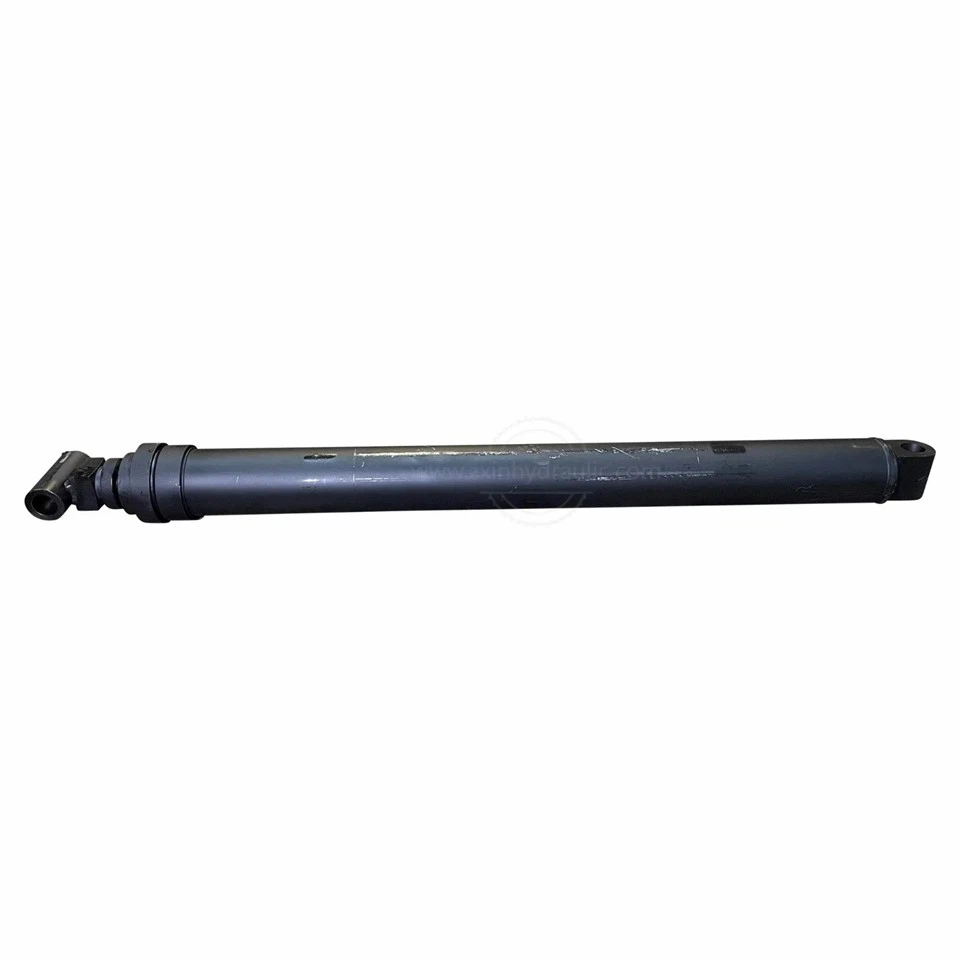
In conclusion, both single - stage and multi - stage Packer Cylinders have their own unique advantages and disadvantages. The choice between the two depends on the specific requirements of your application, including stroke length, force requirements, space constraints, and cost. As a Packer Cylinder supplier, I am committed to helping our customers choose the right cylinder for their needs. Whether you need a single - stage cylinder for a small - scale operation or a multi - stage cylinder for a heavy - duty application, we have the expertise and products to meet your requirements.

If you are interested in learning more about our Packer Cylinders or have any questions about which type of cylinder is right for your application, please don't hesitate to contact us. Our team of experts is ready to assist you in making an informed decision and ensuring that you get the best possible solution for your business.
References
- Hydraulic Cylinder Handbook, Various Authors
- Waste Management Equipment Design and Operation Manual
- Industrial Press Technology and Applications Guide