

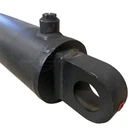



Hey there! I'm a supplier of Roll - off Truck Cylinders, and today, I'm gonna share with you how to upgrade an old roll - off truck cylinder. Whether you're a truck owner looking to improve your vehicle's performance or a mechanic working on a client's rig, this guide will give you some useful tips.
Why Upgrade an Old Roll - off Truck Cylinder?
First things first, you might be wondering why you should bother upgrading an old cylinder. Well, over time, cylinders can wear out. Seals get damaged, the piston rod can corrode, and the overall efficiency of the cylinder drops. This can lead to slower operation, leaks, and even safety issues. By upgrading, you can enhance the performance of your roll - off truck, increase its lifespan, and reduce maintenance costs in the long run.
Assessing the Old Cylinder
Before you start upgrading, you need to take a good look at the existing cylinder. Check for any visible signs of damage like cracks, dents, or leaks. Measure the cylinder's bore size, rod diameter, and stroke length. These measurements are crucial as you'll need them to find the right replacement. You can use basic measuring tools like calipers and a tape measure. If you're not sure how to do this, it might be a good idea to consult with a professional mechanic.
Choosing the Right Replacement Cylinder
Once you have the measurements, it's time to choose a new cylinder. There are several factors to consider.
Material and Quality
Look for cylinders made from high - quality materials. Steel is a popular choice as it's strong and durable. Make sure the cylinder has a good finish to prevent corrosion. You want a cylinder that can withstand the harsh conditions that roll - off trucks often operate in.
Compatibility
The new cylinder must be compatible with your truck's hydraulic system. Check the pressure ratings and flow requirements. If the cylinder can't handle the pressure or flow of your system, it won't work properly. You can refer to your truck's manual or consult with a hydraulic expert to ensure compatibility.
Type of Cylinder
There are different types of cylinders available. For example, check out the Hydraulic Crutch 80 - 90/102 - 250. It's designed for specific applications and might be a great fit for your roll - off truck. Another option is the Cross Tube Hydraulic Cylinders, which are known for their reliability. You can also explore the Hydraulic Crutch for more choices.
Removing the Old Cylinder
Once you've got the new cylinder, it's time to remove the old one. But before you start any work, make sure to drain the hydraulic fluid from the system. This will prevent spills and make the removal process safer.


Safety First
Wear protective gear like gloves and goggles. Hydraulic systems can be dangerous, and you don't want to get hurt.
Disconnecting the Hydraulic Lines
Locate the hydraulic lines connected to the cylinder. Use the right tools to loosen the fittings and disconnect the lines. Be careful as there might still be some pressure in the lines. Have a container ready to catch any remaining fluid.
Removing the Mounting Bolts
The cylinder is usually held in place by mounting bolts. Use a socket wrench to remove these bolts. Keep the bolts in a safe place so you don't lose them. Once the bolts are removed, carefully lift the old cylinder out of the truck.
Installing the New Cylinder
Now comes the exciting part - installing the new cylinder.
Positioning the Cylinder
Place the new cylinder in the same position where the old one was removed. Make sure it's aligned correctly. This is crucial for the proper operation of the cylinder.
Reconnecting the Hydraulic Lines
Attach the hydraulic lines to the new cylinder. Tighten the fittings securely, but be careful not to overtighten them. Overtightening can damage the fittings and cause leaks.
Installing the Mounting Bolts
Put the mounting bolts back in place and tighten them using the socket wrench. Make sure the cylinder is firmly attached to the truck.
Testing the New Cylinder
After the installation is complete, it's time to test the new cylinder.
Filling the Hydraulic System
Refill the hydraulic system with the correct type of fluid. Check the level and make sure it's within the recommended range.
Powered Up
Start the truck and operate the hydraulic system to test the new cylinder. Watch for any signs of leaks or abnormal operation. If everything looks good, you're all set!
Maintenance Tips for the New Cylinder
To keep your new cylinder in top shape, regular maintenance is key.
Check the Fluid Level Regularly
Low fluid levels can cause the cylinder to overheat and malfunction. Make sure to check the fluid level at least once a month.
Inspect for Leaks
Check the cylinder and hydraulic lines for any signs of leaks regularly. If you notice a leak, address it immediately to prevent further damage.
Clean the Cylinder
Keep the cylinder clean to prevent dirt and debris from getting inside. You can use a mild detergent and a soft cloth to clean the exterior.
Conclusion
Upgrading an old roll - off truck cylinder is not as complicated as it might seem. By following these steps, you can give your truck a new lease on life. If you have any questions or are interested in purchasing a high - quality roll - off truck cylinder, feel free to get in touch. I'm here to help you make the best choice for your vehicle.
References
- Hydraulic Cylinder Handbook
- Roll - off Truck Maintenance Guide