




Hey there! As a supplier of Compactor Cylinders, I often get asked about the environmental requirements for using these nifty pieces of equipment. So, let's dive right in and explore this topic.
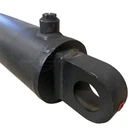
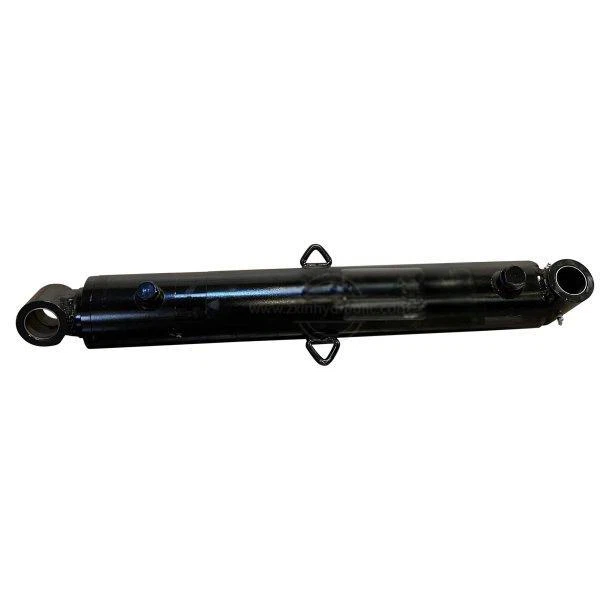
First off, what are Compactor Cylinders? Well, they're a key part of garbage trucks and waste management systems. You can check out more about them on our website Compactor Cylinders. These cylinders play a crucial role in compacting waste, making it easier to transport and manage.
Now, let's talk about the environmental side of things. One of the main environmental requirements for using compactor cylinders is related to the hydraulic fluids they use. Hydraulic fluids are essential for the proper functioning of the cylinders, but they can also have a significant impact on the environment if not managed correctly.
Many traditional hydraulic fluids are made from petroleum-based products. These fluids can be harmful to the environment if they leak or are disposed of improperly. They can contaminate soil and water, and they're not biodegradable. That's why there's a growing trend towards using environmentally friendly hydraulic fluids.

Biodegradable hydraulic fluids are a great alternative. They're made from natural materials like vegetable oils and can break down much more quickly in the environment. Using these fluids can significantly reduce the environmental impact of compactor cylinders. But it's not just about the fluid itself; it's also about how it's used and maintained.
Regular maintenance of the compactor cylinders is crucial to prevent leaks. Even a small leak can lead to a significant amount of hydraulic fluid being released into the environment over time. So, it's important to check the cylinders regularly for any signs of wear and tear, and to replace any faulty seals or components promptly.
Another environmental consideration is the energy efficiency of the compactor cylinders. In today's world, energy conservation is a big deal. Compactor cylinders that are more energy-efficient use less power to operate, which means less fuel consumption and fewer greenhouse gas emissions.
When it comes to manufacturing compactor cylinders, we also need to think about the environmental impact of the production process. Using sustainable materials and manufacturing methods can help reduce the overall carbon footprint of the cylinders. For example, using recycled metals in the manufacturing process can save a significant amount of energy and reduce the demand for new raw materials.
Now, let's take a look at some specific types of compactor cylinders and their environmental requirements. The Packer Cylinder is another important component in waste management systems. It's responsible for packing the waste into the truck's storage area. Like the main compactor cylinders, it also needs to use environmentally friendly hydraulic fluids and be well-maintained to prevent leaks.
The Tailgate Lift Cylinder is used to lift the tailgate of the garbage truck. This cylinder also plays a crucial role in the waste collection process, and it has similar environmental requirements as the other cylinders. Energy efficiency is key here too, as a more efficient tailgate lift cylinder can reduce the overall energy consumption of the truck.
In addition to the technical environmental requirements, there are also regulatory requirements that need to be met. Different countries and regions have their own environmental regulations regarding the use of hydraulic equipment. It's important for us as suppliers to stay up-to-date with these regulations and to ensure that our products comply with them.
For example, some areas have strict limits on the amount of pollutants that can be released into the environment from hydraulic equipment. This means that our compactor cylinders need to be designed and manufactured in a way that minimizes these emissions.
We also need to consider the end-of-life disposal of the compactor cylinders. When a cylinder reaches the end of its useful life, it needs to be disposed of properly. Recycling is the best option, as it can help recover valuable materials and reduce the amount of waste going to landfills.
So, as you can see, there are definitely environmental requirements for using compactor cylinders. From the type of hydraulic fluid used to the energy efficiency of the cylinders, and from the manufacturing process to the end-of-life disposal, every aspect needs to be considered.
At our company, we're committed to providing high-quality compactor cylinders that meet all the environmental requirements. We use the latest technology and sustainable manufacturing methods to ensure that our products are both efficient and environmentally friendly.
If you're in the market for compactor cylinders, whether it's for a new waste management system or to replace existing cylinders, we'd love to talk to you. We can provide you with all the information you need about our products and how they can help you meet your environmental goals.
So, don't hesitate to reach out and start a conversation with us. We're here to help you make the right choice for your business and for the environment.
References
- "Hydraulic Fluids: A Guide to Environmental Impact and Selection" - Hydraulic Institute
- "Sustainable Manufacturing in the Hydraulic Equipment Industry" - Journal of Sustainable Engineering