




As a supplier of hydraulic crutches, one question that frequently arises from our customers is whether these innovative assistive devices can be used in extreme temperatures. This is a valid concern, as extreme cold or heat can have a significant impact on the performance and durability of many mechanical and hydraulic systems. In this blog post, we will delve into the science behind hydraulic crutches and explore their capabilities in extreme temperature conditions.
Understanding Hydraulic Crutches
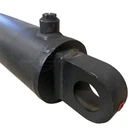
Before we discuss the effects of extreme temperatures, it's important to understand how hydraulic crutches work. At the heart of a hydraulic crutch is a Hydraulic Piston, which is responsible for absorbing and distributing the force exerted on the crutch during use. When a user places weight on the crutch, the hydraulic piston compresses, creating a cushioning effect that reduces the impact on the user's joints and muscles.
The Single Acting Hydraulic Cylinder in a hydraulic crutch is designed to provide smooth and consistent movement, allowing for easy adjustment of the crutch's height and angle. This hydraulic system is filled with a special hydraulic fluid that plays a crucial role in the crutch's performance.
Effects of Extreme Cold
Extreme cold can have several adverse effects on hydraulic crutches. One of the primary concerns is the thickening of the hydraulic fluid. As the temperature drops, the viscosity of the fluid increases, making it more difficult for the hydraulic piston to move freely. This can result in a loss of the crutch's cushioning ability, as the piston may not be able to compress as easily.
In addition, cold temperatures can cause the materials used in the crutch to become more brittle. This includes the metal components, such as the frame and the hydraulic cylinder, as well as the rubber or plastic parts. Brittle materials are more prone to cracking or breaking, which can compromise the safety and functionality of the crutch.
Another issue in cold weather is the potential for moisture to freeze inside the hydraulic system. If water or condensation gets into the cylinder, it can freeze and expand, causing damage to the seals and other internal components. This can lead to leaks and a loss of hydraulic pressure, rendering the crutch ineffective.
However, modern hydraulic crutches are often designed with features to mitigate these problems. For example, some crutches use a special low-temperature hydraulic fluid that maintains its viscosity even in cold conditions. Additionally, manufacturers may use materials that are more resistant to cold and have better flexibility at low temperatures.
Effects of Extreme Heat
On the other end of the spectrum, extreme heat can also pose challenges for hydraulic crutches. High temperatures can cause the hydraulic fluid to thin out, reducing its ability to provide adequate lubrication and support. This can lead to increased friction within the hydraulic system, which can wear down the components more quickly and potentially cause overheating.
Excessive heat can also cause the seals in the hydraulic cylinder to degrade. Seals are essential for preventing leaks and maintaining the integrity of the hydraulic system. When exposed to high temperatures, the rubber or elastomer materials used in the seals can become brittle or lose their elasticity, leading to leaks and a loss of hydraulic pressure.
In addition, the plastic and rubber parts of the crutch may become soft and deformable in extreme heat. This can affect the crutch's stability and comfort, as well as its overall durability. The frame of the crutch may also expand slightly in hot weather, which could potentially affect the fit and alignment of the components.
To address these issues, some hydraulic crutches are designed with high-temperature-resistant materials and seals. The hydraulic fluid used in these crutches is formulated to maintain its properties even at elevated temperatures.
Testing and Certification
At our company, we understand the importance of ensuring that our hydraulic crutches can perform reliably in a wide range of temperatures. That's why we subject our products to rigorous testing in both extreme cold and heat conditions. Our crutches are tested in environmental chambers where the temperature can be precisely controlled to simulate real-world scenarios.


We also adhere to strict industry standards and certifications to ensure the quality and safety of our products. These standards often include requirements for performance in extreme temperatures, as well as other environmental factors such as humidity and altitude.
Recommendations for Use in Extreme Temperatures
If you plan to use your hydraulic crutch in extreme temperatures, there are several steps you can take to ensure its optimal performance and longevity.
In cold weather, it's a good idea to keep the crutch warm when not in use. You can store it indoors or in a heated vehicle to prevent the hydraulic fluid from thickening. If you need to use the crutch outdoors in extremely cold conditions, allow it to warm up slightly before putting it into full use.
In hot weather, try to keep the crutch out of direct sunlight as much as possible. Exposure to intense sunlight can cause the temperature of the crutch to rise significantly, which can accelerate the degradation of the materials. If the crutch becomes too hot, let it cool down before using it again.
Regular maintenance is also crucial, especially when using the crutch in extreme temperatures. Check the hydraulic system for leaks, inspect the seals and components for damage, and replace any worn or damaged parts as needed.
Conclusion
In conclusion, while extreme temperatures can present challenges for hydraulic crutches, modern designs and materials have made it possible for these devices to perform effectively in a wide range of conditions. With proper testing, design features, and user care, hydraulic crutches can be a reliable and durable assistive device even in extreme cold or heat.
If you are considering purchasing a hydraulic crutch and have concerns about its performance in extreme temperatures, we encourage you to contact us. Our team of experts can provide you with more detailed information about our products and help you choose the right crutch for your needs. Whether you are an individual user or a healthcare provider looking to supply hydraulic crutches to your patients, we are here to assist you. We look forward to the opportunity to discuss your requirements and provide you with high-quality hydraulic crutches that meet your expectations.
References
- "Hydraulic Systems: Principles and Applications" by John O. Parker
- "Materials Science and Engineering: An Introduction" by William D. Callister Jr. and David G. Rethwisch