

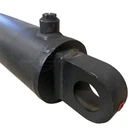



Hey there! As a supplier of Hydraulic Crutches, I often get asked a bunch of questions, and one that pops up quite a bit is, "Can a hydraulic crutch be used in winter?" Well, let's dig into this topic and find out.
First off, let's talk a bit about what a Hydraulic Crutch is. It's a nifty piece of equipment that uses hydraulic power to provide support and assistance. These crutches are designed to be strong, reliable, and adaptable to different situations. They're used in a variety of industries, from construction to manufacturing, and even in some medical applications.
Now, when it comes to using a hydraulic crutch in winter, there are a few things we need to consider. The cold weather can have an impact on the performance of the hydraulic system. Hydraulic fluid, which is the lifeblood of the crutch, can thicken in cold temperatures. This thickening can make it harder for the fluid to flow through the system, which might affect the smooth operation of the crutch.
For example, if you're using a Hydraulic Crutch 80 - 90/102 - 250 in a construction site during winter, and the hydraulic fluid has thickened, you might notice that the crutch takes a bit longer to extend or retract. This delay could potentially slow down your work and might even pose a safety risk if you're relying on the crutch for support.


Another aspect to think about is the seals and gaskets in the hydraulic system. Cold weather can make these rubber components more brittle. When they become brittle, they're more likely to crack or leak. A leak in the hydraulic system can lead to a loss of pressure, which means the crutch might not be able to support the load as effectively as it should.
But hey, it's not all doom and gloom! There are ways to make sure your hydraulic crutch works well even in winter. One of the simplest things you can do is use a hydraulic fluid that's designed for cold weather. These fluids have additives that prevent them from thickening too much in low temperatures. By using the right fluid, you can keep the hydraulic system running smoothly.
You also need to take good care of your crutch. Before using it in cold weather, give it a quick inspection. Check the seals and gaskets for any signs of damage. If you notice any cracks or leaks, it's best to replace the faulty parts before you start using the crutch.
It's also a good idea to warm up the hydraulic system before putting it to work. You can do this by operating the crutch a few times at a low load. This will help the hydraulic fluid circulate and warm up, making it easier for the system to function properly.
Let's talk about the benefits of using a hydraulic crutch in winter. Despite the challenges, there are still some advantages. For instance, in industries like snow removal or winter construction, a hydraulic crutch can provide the necessary support and stability. It can help workers safely access hard - to - reach areas or hold up heavy equipment.
In the medical field, a hydraulic crutch can be a game - changer for patients who need to get around in winter. It can offer a more comfortable and adjustable support compared to traditional crutches. The hydraulic system allows for easy height adjustment, which is great for navigating through snow or uneven winter terrain.
Now, if you're in the market for a hydraulic crutch, you might also be interested in a Single Acting Hydraulic Cylinder. These cylinders are often used in hydraulic crutches and can provide reliable and efficient operation. They work by using hydraulic pressure to move a piston in one direction, which is perfect for the simple yet important task of providing support.
As a supplier, I've seen firsthand the importance of having a reliable hydraulic crutch, especially in winter. That's why we offer a range of high - quality products that are built to withstand the cold. Our team of experts is always on hand to provide advice on how to maintain and use your crutch in different weather conditions.
If you're thinking about purchasing a hydraulic crutch, don't hesitate to reach out. Whether you're a construction company looking for heavy - duty support or a medical facility in need of a comfortable solution for your patients, we've got you covered. We can help you choose the right product for your specific needs and provide all the information you need to keep it working well in winter.
In conclusion, a hydraulic crutch can definitely be used in winter, but it requires some extra attention and care. By using the right hydraulic fluid, performing regular inspections, and warming up the system, you can ensure that your crutch performs at its best even in the coldest of temperatures. So, if you're looking for a reliable and adaptable support solution, consider a hydraulic crutch. And remember, if you have any questions or want to discuss your purchasing options, just get in touch.
References
- General knowledge of hydraulic systems and their performance in cold weather
- Industry standards for hydraulic equipment maintenance in winter conditions