

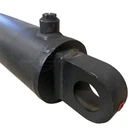



Hey there! As a supplier of hydraulic systems, I often get asked this question: Can a hydraulic system be repaired? Well, the short answer is yes, but there's a whole lot more to it than that. Let's dive right in and explore the ins and outs of hydraulic system repair.
First off, it's important to understand what a hydraulic system is. In simple terms, it's a system that uses pressurized fluid to transmit power. You'll find these systems in all sorts of applications, from heavy machinery like construction equipment and trucks to smaller stuff like car brakes and industrial automation.
Now, like any mechanical system, hydraulic systems can run into problems. These issues can range from minor leaks to major component failures. The good news is that many of these problems can be fixed, saving you the hassle and expense of replacing the entire system.
Let's start with the common problems you might encounter in a hydraulic system. One of the most frequent issues is fluid leakage. This can happen due to worn seals, damaged hoses, or loose connections. A small leak might seem like a minor annoyance, but if left unchecked, it can lead to a drop in system pressure and reduced performance. In some cases, it can even cause damage to other components.
Another common problem is contamination. Hydraulic fluid needs to be clean to work properly. If dirt, debris, or water gets into the system, it can cause abrasion, corrosion, and other issues. Contamination can come from a variety of sources, such as dirty storage containers, worn filters, or even the environment.
Pump failures are also a significant concern. The pump is the heart of the hydraulic system, responsible for generating the pressure needed to move the fluid. If the pump fails, the entire system can grind to a halt. Pump failures can be caused by factors like overheating, cavitation (the formation and collapse of vapor bubbles in the fluid), or mechanical wear.
So, how do you go about repairing a hydraulic system? The first step is to diagnose the problem. This usually involves a visual inspection of the system, checking for signs of leaks, damage, or contamination. You might also need to take some measurements, such as fluid pressure and temperature, to get a better understanding of what's going on.
Once you've identified the problem, you can start planning the repair. For minor issues like a small leak, you might be able to fix it by simply replacing a seal or tightening a connection. However, more complex problems might require the replacement of major components, such as a pump or a valve.
When it comes to replacing components, it's crucial to use high - quality parts. At our company, we offer a wide range of hydraulic system components, including the SRB Seamless Tube, which is known for its durability and reliability. The Piston Pumps for Trucks we supply are designed to handle the heavy - duty demands of truck applications, and our Piston Rod is precision - engineered for optimal performance.
After replacing a component, it's important to test the system thoroughly to make sure everything is working properly. This might involve running the system at different pressures and speeds, checking for leaks, and monitoring the performance of the system over time.
It's also worth noting that regular maintenance can go a long way in preventing hydraulic system problems. This includes changing the hydraulic fluid at regular intervals, replacing filters, and inspecting the system for signs of wear and tear. By taking good care of your hydraulic system, you can extend its lifespan and reduce the likelihood of costly repairs.
In some cases, though, a hydraulic system might be too damaged to repair. This could be due to extensive corrosion, severe mechanical damage, or outdated technology. When this happens, it might be more cost - effective to replace the entire system. But don't worry, as a supplier, we can help you choose the right replacement system for your needs.


If you're not confident in your ability to repair a hydraulic system yourself, it's always a good idea to seek the help of a professional. A trained technician will have the knowledge and experience to diagnose and fix the problem quickly and efficiently.
In conclusion, a hydraulic system can definitely be repaired in many cases. With the right diagnosis, high - quality parts, and proper maintenance, you can keep your hydraulic system running smoothly for years to come. Whether you're dealing with a minor leak or a major component failure, we're here to help. As a hydraulic system supplier, we have the expertise and the products to meet all your hydraulic system needs.
If you're in the market for hydraulic system components or need advice on repair and maintenance, don't hesitate to get in touch. We're always happy to assist you with your procurement and answer any questions you might have.
References
- "Hydraulic Systems: Design, Installation, and Maintenance" by John Doe
- "The Basics of Hydraulic Systems" published by ABC Publishing
- Industry reports on hydraulic system repair and maintenance trends.