




Do agricultural cylinders require regular servicing? You bet they do! As a supplier of agricultural cylinders, I've seen firsthand the impact that regular servicing can have on the performance and longevity of these essential components. In this blog post, I'll dive into why regular servicing is crucial, what it involves, and how it can save you time and money in the long run.
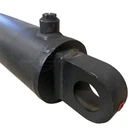
Let's start by understanding what agricultural cylinders are and what they do. Agricultural cylinders are hydraulic cylinders used in a wide range of farming equipment, from tractors and combines to plows and harvesters. They convert hydraulic energy into mechanical force, allowing for the smooth and efficient operation of various farming tasks. Whether it's lifting heavy loads, tilting attachments, or controlling the movement of machinery, agricultural cylinders play a vital role in modern agriculture.
Now, let's talk about why regular servicing is so important. Just like any other mechanical component, agricultural cylinders are subject to wear and tear over time. The constant pressure, friction, and exposure to harsh environmental conditions can take a toll on their performance. Without regular servicing, small issues can quickly turn into major problems, leading to costly breakdowns and downtime.
One of the primary benefits of regular servicing is the prevention of leaks. Hydraulic cylinders rely on a tight seal to maintain pressure and transfer force. Over time, the seals can wear out, crack, or become damaged, resulting in hydraulic fluid leaks. Not only does this lead to a loss of efficiency, but it can also contaminate the surrounding environment and pose a safety hazard. By regularly inspecting and replacing worn seals, you can prevent leaks and ensure the proper functioning of your agricultural cylinders.
Another important aspect of regular servicing is the inspection of the cylinder's internal components. The piston, rod, and other parts can experience wear and tear, especially in high-stress applications. By carefully examining these components, technicians can identify signs of damage or excessive wear and take appropriate action. This may include replacing worn parts, adjusting clearances, or performing other maintenance tasks to ensure optimal performance.
In addition to preventing leaks and inspecting internal components, regular servicing also involves checking the hydraulic fluid. Hydraulic fluid is the lifeblood of your agricultural cylinders, providing lubrication, cooling, and corrosion protection. Over time, the fluid can become contaminated with dirt, debris, and moisture, which can cause damage to the cylinder's internal components. By regularly changing the hydraulic fluid and replacing the filters, you can ensure that the fluid remains clean and free of contaminants, extending the life of your cylinders and improving their performance.
Now that we've covered the importance of regular servicing, let's talk about what it involves. A typical servicing schedule for agricultural cylinders may include the following tasks:


- Visual inspection: A thorough visual inspection of the cylinder's exterior for signs of damage, leaks, or corrosion.
- Seal replacement: Replacing worn or damaged seals to prevent leaks and ensure proper sealing.
- Internal inspection: Checking the piston, rod, and other internal components for signs of wear or damage.
- Fluid change: Draining and replacing the hydraulic fluid, along with the filters, to maintain optimal performance.
- Pressure testing: Testing the cylinder's pressure to ensure that it is operating within the specified range.
- Alignment check: Checking the alignment of the cylinder to ensure that it is properly installed and functioning correctly.
The frequency of servicing will depend on several factors, including the type of equipment, the operating conditions, and the manufacturer's recommendations. In general, it's a good idea to have your agricultural cylinders serviced at least once a year, or more frequently if they are used in demanding applications or harsh environments.
As a supplier of agricultural cylinders, I understand the importance of providing high-quality products and reliable service. That's why we offer a comprehensive range of Agricultural Hydraulic Cylinders to meet the needs of farmers and agricultural businesses. Our cylinders are designed and manufactured to the highest standards, using the latest technology and materials to ensure durability, reliability, and performance.
In addition to our wide selection of agricultural cylinders, we also offer professional servicing and repair services. Our team of experienced technicians is trained to diagnose and repair a wide range of hydraulic cylinder issues, from minor leaks to major breakdowns. We use only the highest quality parts and materials, and we stand behind our work with a satisfaction guarantee.
If you're in the market for agricultural cylinders or need professional servicing and repair, I encourage you to contact us today. We'll be happy to answer your questions, provide a quote, or schedule a servicing appointment. Don't wait until it's too late – invest in regular servicing for your agricultural cylinders and ensure the long-term performance and reliability of your farming equipment.
In conclusion, regular servicing is essential for the proper functioning and longevity of your agricultural cylinders. By preventing leaks, inspecting internal components, checking the hydraulic fluid, and performing other maintenance tasks, you can avoid costly breakdowns and downtime, extend the life of your cylinders, and improve the efficiency of your farming operations. As a supplier of Top Link Hydraulic Cylinders and Tie Rod Hydraulic Cylinder, we're committed to providing high-quality products and reliable service to our customers. Contact us today to learn more about our products and services and how we can help you keep your agricultural cylinders in top condition.
References
- "Hydraulic Cylinder Maintenance and Troubleshooting," Hydraulics & Pneumatics Magazine
- "Agricultural Equipment Maintenance Guide," Farm Machinery Manufacturers Association
- "Hydraulic System Basics," Fluid Power Journal