

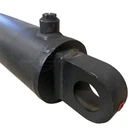



Hey there! As a supplier of piston pumps for trucks, I often get asked whether these pumps need a pressure gauge. Well, let's dive right into this topic and break it down.
First off, let's understand what piston pumps for trucks are all about. These pumps are a crucial part of a truck's hydraulic system. They're designed to generate high pressure by using pistons that move back and forth in cylinders. This pressure is then used to power various functions in the truck, like lifting heavy loads, operating the steering system, or controlling the brakes.


Now, let's talk about pressure gauges. A pressure gauge is a simple yet powerful device that measures the pressure in a system. It gives you a clear reading of how much pressure is being generated by the piston pump. So, do piston pumps for trucks really need a pressure gauge?
The short answer is yes, and here's why.
Safety First
Safety is always a top priority when it comes to trucks. Piston pumps can generate extremely high pressures, and if these pressures get out of control, it can lead to some serious problems. For example, if the pressure in the hydraulic system is too high, it can cause leaks, burst hoses, or even damage the pump itself. A pressure gauge allows you to monitor the pressure in real - time, so you can take action before something goes wrong. If you see that the pressure is rising above the normal range, you can stop the operation and check for any issues.
Efficiency and Performance
A pressure gauge also helps in maintaining the efficiency and performance of the piston pump. Every piston pump is designed to operate within a specific pressure range. If the pressure is too low, the pump may not be able to perform its functions properly. For instance, if the pressure is not high enough, the truck's lifting mechanism may not be able to lift heavy loads. On the other hand, if the pressure is too high, the pump has to work harder, which can lead to increased wear and tear and reduced efficiency. By using a pressure gauge, you can ensure that the pump is operating at the optimal pressure, which in turn improves its performance and extends its lifespan.
Troubleshooting
When something goes wrong with the piston pump or the hydraulic system, a pressure gauge can be a valuable troubleshooting tool. If you notice a sudden drop or increase in pressure, it can indicate a problem. For example, a drop in pressure may mean that there is a leak in the system, while an increase in pressure could be due to a blockage. By referring to the pressure gauge, you can quickly identify the source of the problem and take the necessary steps to fix it.
Compatibility with Other Components
Trucks have various hydraulic components that work together, such as Seamless Cold - drawn Tube, Gear Pumps for Trucks, and Piston Rod. These components are designed to work within a certain pressure range. A pressure gauge helps in ensuring that the pressure generated by the piston pump is compatible with these other components. If the pressure is not within the acceptable range, it can cause damage to these components and affect the overall performance of the truck.
Regulatory Requirements
In some cases, there may be regulatory requirements that mandate the use of a pressure gauge in trucks with piston pumps. These regulations are in place to ensure the safety of the vehicle and its operators. By using a pressure gauge, you can ensure that your truck complies with these regulations and avoid any potential legal issues.
Installation and Maintenance
Installing a pressure gauge on a piston pump for trucks is relatively straightforward. Most modern pressure gauges come with easy - to - follow installation instructions. It's important to install the gauge in a location where it can be easily read by the operator. During maintenance, the pressure gauge should be checked regularly to ensure that it is functioning properly. If the gauge is not accurate, it can give false readings, which can lead to incorrect decisions.
Cost - Benefit Analysis
Some people may think that adding a pressure gauge to a piston pump is an unnecessary expense. However, when you consider the potential costs of not having a pressure gauge, it becomes clear that it's a worthwhile investment. The cost of a pressure gauge is relatively low compared to the cost of repairing a damaged pump or dealing with a hydraulic system failure. In the long run, a pressure gauge can save you money by preventing costly repairs and downtime.
In conclusion, piston pumps for trucks definitely need a pressure gauge. It plays a vital role in ensuring the safety, efficiency, and performance of the pump and the overall hydraulic system. Whether you're a truck owner, operator, or mechanic, having a pressure gauge on your piston pump is a smart move.
If you're in the market for piston pumps for trucks or need more information about pressure gauges and their importance, don't hesitate to reach out. We're here to help you make the right choices for your truck's hydraulic system. Let's have a chat and see how we can meet your specific needs.
References
- "Hydraulic Systems Handbook" - A comprehensive guide on hydraulic systems and their components.
- "Truck Maintenance Manuals" - Various manuals that provide information on the maintenance and operation of truck hydraulic systems.