

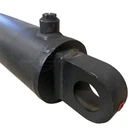



Hey there, folks! Today, I'm gonna dive into the nitty - gritty of how compactor cylinders work. As a supplier of compactor cylinders, I've seen these things up close and personal, and I'm stoked to share this knowledge with you.
What are Compactor Cylinders?
First off, let's get a clear idea of what compactor cylinders are. In simple terms, they're a crucial part of waste compaction systems. You'll find them in all sorts of equipment, like garbage trucks, industrial waste compactors, and recycling machines. These cylinders are what make the magic happen when it comes to squeezing waste into a smaller space.
The Basic Working Principle
At the heart of a compactor cylinder is the principle of hydraulics. Hydraulics is all about using a liquid, usually oil, to transfer force from one point to another. It's like a super - efficient power - delivery system.
The compactor cylinder itself is a tube - like structure with a piston inside. The piston divides the cylinder into two chambers: the rod side and the cap side. When hydraulic fluid is pumped into one of these chambers, it creates pressure. This pressure then forces the piston to move, and that movement is what we use to do the work of compaction.
Let's break it down a bit further. When the hydraulic pump starts pumping fluid into the cap side of the cylinder, the pressure in that chamber increases. Since the piston has a larger surface area on the cap side compared to the rod side, the force generated by the pressure difference makes the piston move towards the rod side. This movement extends the piston rod out of the cylinder.
On the flip side, when fluid is pumped into the rod side, the piston moves back towards the cap side, retracting the piston rod. This back - and - forth movement of the piston rod is what provides the pushing or pulling force needed for compaction.
Components of a Compactor Cylinder
To really understand how these cylinders work, we need to take a look at their main components:
- Cylinder Barrel: This is the outer tube of the cylinder. It's usually made of high - strength steel to withstand the high pressures generated during operation. The inside of the barrel is machined to be very smooth to allow the piston to move freely.
- Piston: The piston is a disc - shaped component that fits snugly inside the cylinder barrel. It has seals around its edges to prevent the hydraulic fluid from leaking between the two chambers. As I mentioned earlier, the movement of the piston is what creates the force for compaction.
- Piston Rod: The piston rod is connected to the piston and extends out of the cylinder. It's what transfers the force from the piston to the compaction mechanism. The rod is also made of strong materials and is often chrome - plated to resist corrosion and wear.
- Seals: Seals are super important in a compactor cylinder. They keep the hydraulic fluid where it needs to be and prevent contaminants from entering the cylinder. There are different types of seals, like piston seals, rod seals, and wiper seals, each with its own specific job.
- End Caps: The end caps are located at the two ends of the cylinder barrel. They hold the cylinder together and provide a mounting point for the hydraulic hoses. The end caps also have ports for the hydraulic fluid to enter and exit the cylinder.
Applications in Different Compaction Equipment
Now, let's talk about how compactor cylinders are used in different types of equipment.
Garbage Trucks
In garbage trucks, compactor cylinders play a vital role in the waste - handling process. There are different types of cylinders used in these trucks, such as Packer Cylinder, Tailgate Lift Cylinder, and Ejector Cylinders.
The packer cylinder is responsible for pushing the waste from the loading area into the main storage compartment of the truck. It uses the hydraulic force to compress the waste, allowing the truck to carry more garbage in a single trip.
The tailgate lift cylinder is used to raise and lower the tailgate of the garbage truck. This is important for loading and unloading the waste. When the cylinder extends, it lifts the tailgate, and when it retracts, the tailgate closes.
The ejector cylinders are used to push the compacted waste out of the truck when it reaches the landfill. These cylinders provide a powerful pushing force to expel the waste quickly and efficiently.


Industrial Waste Compactors
In industrial settings, compactor cylinders are used in large - scale waste compactors. These machines are designed to handle all sorts of waste, from cardboard boxes to metal scraps. The cylinders in these compactors are often larger and more powerful than those in garbage trucks. They can apply a huge amount of force to compress the waste into dense bales, which are easier to store and transport.
Recycling Machines
Recycling machines also rely on compactor cylinders. For example, in a plastic bottle recycling machine, the cylinders are used to crush the bottles into small pieces. This not only reduces the volume of the waste but also makes it easier to process the plastic for recycling.
Maintenance and Troubleshooting
Like any piece of equipment, compactor cylinders need regular maintenance to keep them working properly. Here are some key maintenance tips:
- Check the Hydraulic Fluid: The hydraulic fluid is the lifeblood of the cylinder. Make sure it's clean and at the right level. Contaminated fluid can cause damage to the seals and other components.
- Inspect the Seals: Regularly check the seals for signs of wear or damage. If a seal is leaking, it can lead to a loss of pressure and reduced performance. Replace any worn - out seals as soon as possible.
- Lubricate Moving Parts: Some components of the cylinder, like the piston rod, need to be lubricated to reduce friction. Use the recommended lubricant to keep the parts moving smoothly.
If you run into problems with your compactor cylinder, here are some common issues and their possible solutions:
- Leaking Fluid: As I mentioned, leaking fluid is often caused by worn - out seals. Check the seals and replace them if necessary.
- Slow or Jerky Movement: This could be due to a blockage in the hydraulic lines, low hydraulic fluid level, or a problem with the pump. Check the lines for any obstructions and make sure the fluid level is correct.
- No Movement at All: If the cylinder isn't moving, it could be a problem with the hydraulic pump, a broken piston rod, or a stuck valve. You'll need to do a more in - depth inspection to figure out the root cause.
Conclusion
Well, there you have it, folks! That's how compactor cylinders work. These amazing pieces of equipment are the unsung heroes of the waste - handling and recycling industries. They use the power of hydraulics to make our lives easier by efficiently compacting waste.
If you're in the market for high - quality compactor cylinders, I'd love to have a chat with you. Whether you need cylinders for garbage trucks, industrial waste compactors, or recycling machines, I've got you covered. Just reach out, and we can start discussing your specific needs. Let's work together to find the perfect compactor cylinders for your equipment!
References
- "Hydraulic Cylinders: Design and Application" by George E. Totten
- "Fluid Power Technology" by Andrew Parr