

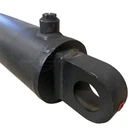



In the realm of waste management and garbage truck operations, packer cylinders play a pivotal role. As a seasoned supplier of packer cylinders, I've witnessed firsthand how the choice of fluid used within these hydraulic components can significantly impact their performance. This blog post delves into the intricate relationship between the type of fluid and the functionality of packer cylinders, offering insights for industry professionals and potential customers alike.
Understanding Packer Cylinders
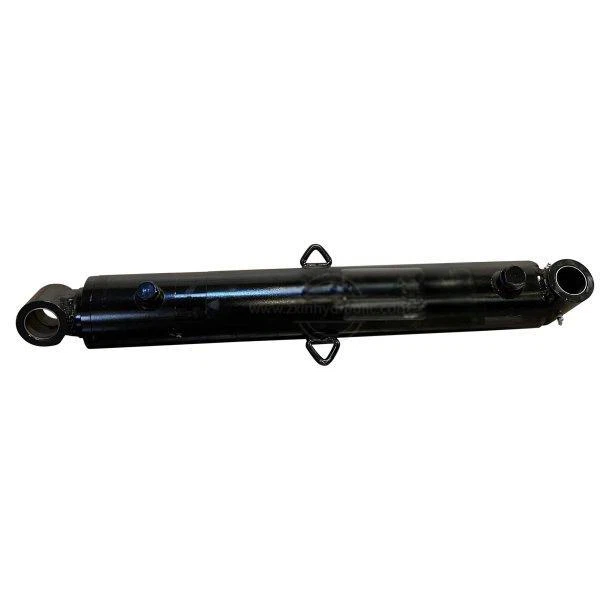
Before we explore the influence of fluid types, it's essential to understand what packer cylinders are and their significance in garbage trucks. Packer cylinders are hydraulic actuators that are crucial for compacting waste materials inside garbage trucks. They exert force to compress the waste, allowing more trash to be loaded into the truck, thus increasing its efficiency and reducing the number of trips required for waste collection. You can learn more about packer cylinders on our website Packer Cylinder.

The Role of Hydraulic Fluid in Packer Cylinders
Hydraulic fluid serves as the lifeblood of packer cylinders. It is responsible for transmitting power, lubricating moving parts, and dissipating heat generated during operation. The right fluid can enhance the cylinder's performance, extend its lifespan, and reduce maintenance costs. Conversely, an inappropriate fluid can lead to premature wear, decreased efficiency, and even system failures.
Types of Hydraulic Fluids and Their Impact on Performance
Mineral Oil-Based Fluids
Mineral oil-based hydraulic fluids are the most commonly used in packer cylinders. They offer excellent lubrication properties, which help reduce friction between the cylinder's piston and the cylinder wall. This reduces wear and tear, ensuring smooth operation and extending the lifespan of the cylinder. Additionally, mineral oil-based fluids have good thermal stability, allowing them to withstand high temperatures generated during the compaction process.
However, these fluids also have some drawbacks. They are not biodegradable, which can be a concern in environmentally sensitive areas. Moreover, they may require more frequent filtration to remove contaminants, as they are prone to oxidation over time. Oxidation can lead to the formation of sludge and varnish, which can clog the hydraulic system and reduce its efficiency.
Synthetic Fluids
Synthetic hydraulic fluids are formulated to offer superior performance compared to mineral oil-based fluids. They have a higher viscosity index, which means they maintain their viscosity over a wider range of temperatures. This property is particularly beneficial in packer cylinders, as they often operate in varying environmental conditions. Synthetic fluids also have better oxidation resistance, reducing the formation of sludge and varnish and extending the fluid's service life.
Another advantage of synthetic fluids is their biodegradability. This makes them a more environmentally friendly option, especially for waste management operations in areas with strict environmental regulations. However, synthetic fluids are generally more expensive than mineral oil-based fluids, which can be a significant factor for some customers.
Fire-Resistant Fluids
In some applications, such as garbage trucks operating in high-risk environments, fire-resistant hydraulic fluids may be required. These fluids are designed to resist ignition and prevent the spread of fire in case of a hydraulic system leak. They are typically based on water-glycol or phosphate ester formulations.
Water-glycol fluids offer good fire resistance and are relatively inexpensive. However, they have lower lubrication properties compared to mineral oil-based or synthetic fluids, which can increase wear on the cylinder's components. Phosphate ester fluids, on the other hand, provide excellent fire resistance and lubrication, but they are more expensive and can be toxic to some seals and gaskets.
Factors to Consider When Choosing a Hydraulic Fluid
When selecting a hydraulic fluid for a packer cylinder, several factors need to be considered:
Operating Conditions
The temperature, pressure, and humidity of the operating environment can significantly affect the performance of the hydraulic fluid. For example, in cold climates, a fluid with a low pour point is required to ensure proper flow at low temperatures. In high-temperature environments, a fluid with good thermal stability is essential to prevent oxidation and viscosity breakdown.
Compatibility with Cylinder Materials
The hydraulic fluid must be compatible with the materials used in the packer cylinder, including the seals, gaskets, and piston. Incompatible fluids can cause swelling, shrinking, or hardening of these components, leading to leaks and system failures.
Environmental Regulations
In areas with strict environmental regulations, the choice of hydraulic fluid may be limited to biodegradable or fire-resistant options. It's important to ensure that the selected fluid complies with all relevant environmental standards.
Cost
The cost of the hydraulic fluid is also an important consideration. While synthetic and fire-resistant fluids may offer superior performance, they are generally more expensive than mineral oil-based fluids. Customers need to balance the cost of the fluid with its performance and the potential savings in maintenance and downtime.
Case Studies: Real-World Impact of Fluid Choice
To illustrate the importance of choosing the right hydraulic fluid, let's look at a couple of case studies:
Case Study 1: A Waste Management Company in a Cold Climate
A waste management company operating in a cold climate was experiencing frequent problems with its packer cylinders. The cylinders were slow to operate, and there were signs of excessive wear on the piston and cylinder wall. After consulting with our experts, it was determined that the company was using a mineral oil-based fluid with a high pour point, which was causing the fluid to thicken in cold temperatures.
We recommended switching to a synthetic fluid with a low pour point. After the fluid change, the cylinders' performance improved significantly. The cylinders operated smoothly, and the wear on the components was reduced. The company also reported a decrease in maintenance costs and an increase in the overall efficiency of its garbage trucks.
Case Study 2: A Garbage Truck Fleet in an Environmentally Sensitive Area
A garbage truck fleet operating in an environmentally sensitive area was required to use a biodegradable hydraulic fluid. The company had been using a mineral oil-based fluid, which was not compliant with the local environmental regulations. After switching to a synthetic biodegradable fluid, the company was able to meet the regulatory requirements without sacrificing performance.
The new fluid provided excellent lubrication and thermal stability, ensuring smooth operation of the packer cylinders. The company also noticed a reduction in the frequency of fluid changes and filter replacements, resulting in cost savings over time.
Conclusion
The type of fluid used in a packer cylinder has a profound impact on its performance, reliability, and lifespan. As a supplier of packer cylinders, we understand the importance of choosing the right fluid for each application. By considering factors such as operating conditions, compatibility with cylinder materials, environmental regulations, and cost, customers can make an informed decision that will optimize the performance of their packer cylinders and reduce their overall operating costs.
If you're in the market for packer cylinders or need advice on choosing the right hydraulic fluid, we're here to help. Our team of experts has extensive experience in the waste management industry and can provide you with personalized solutions tailored to your specific needs. Contact us today to start a conversation about how we can enhance the performance of your garbage truck fleet. Also, check out our other products like Dump Cylinder and Compactor Cylinders for a comprehensive waste management solution.
References
- "Hydraulic Fluids: Properties and Applications" by Thomas F. Fabian
- "Waste Management Technology and Operations" by David A. Vaccari
- Industry reports and whitepapers on hydraulic systems in waste management