




Tipper trailer kits are essential components in various industries, from construction and agriculture to waste management. As a supplier of high - quality tipper trailer kits, I often get asked about their lifespan. In this blog post, I'll delve into the factors that determine how long these kits last and provide some insights to help you make informed decisions.
Factors Affecting the Lifespan of Tipper Trailer Kits
Quality of Materials
The materials used in the manufacturing of tipper trailer kits play a crucial role in their longevity. High - grade steel is commonly used for the frames and bodies of these kits. Steel with good corrosion resistance and high tensile strength can withstand the rigors of heavy loads and harsh working conditions. For example, if a kit is made from low - quality steel, it may start to rust and weaken over time, leading to structural failures.
On the other hand, kits that use premium materials are more likely to last longer. At our company, we source only the best materials to ensure the durability of our tipper trailer kits. This commitment to quality means that our customers can expect their kits to serve them well for many years.
Frequency of Use
How often a tipper trailer kit is used has a significant impact on its lifespan. A kit that is used daily in a demanding environment, such as a construction site where it is constantly lifting and dumping heavy loads, will experience more wear and tear compared to one that is used occasionally.
Regular use also means that the components of the kit, such as the hydraulic system, gears, and hinges, are subject to more stress. Over time, this can lead to the degradation of these parts. For instance, the seals in the hydraulic system may wear out faster, causing leaks and reducing the efficiency of the hoist.
Maintenance and Care
Proper maintenance is key to extending the lifespan of tipper trailer kits. Regular inspections can help identify potential issues before they become major problems. This includes checking for signs of wear on the hydraulic cylinders, ensuring that the lubrication of moving parts is adequate, and inspecting the structural integrity of the frame.
Simple tasks like cleaning the kit after each use can also prevent the build - up of dirt and debris, which can cause corrosion and damage to the components. Additionally, following the manufacturer's recommended maintenance schedule, such as changing the hydraulic fluid at the appropriate intervals, can significantly improve the longevity of the kit.
Operating Conditions
The conditions in which the tipper trailer kit operates can greatly affect its lifespan. Kits used in extreme weather conditions, such as very hot or cold climates, may experience more rapid deterioration. In hot climates, the hydraulic fluid may break down faster, while in cold climates, the components may become brittle and more prone to cracking.
Working in environments with a lot of dust, mud, or chemicals can also be detrimental to the kit. For example, in a mining operation where there is a high concentration of abrasive dust, the moving parts of the kit may wear out more quickly.
Average Lifespan Estimates
Based on industry experience and customer feedback, a well - maintained tipper trailer kit can last anywhere from 10 to 20 years. However, this is a rough estimate, and the actual lifespan can vary widely depending on the factors mentioned above.
For kits that are used in light - duty applications and are properly maintained, they may last closer to the 20 - year mark. These could be kits used for occasional agricultural purposes, such as transporting hay or small loads of manure.
On the other hand, kits used in heavy - duty, high - frequency applications may have a lifespan of around 10 years. Construction companies that use tipper trailers on a daily basis for large - scale projects often need to replace their kits more frequently due to the intense wear and tear.
The Role of Different Components
Hydraulic System
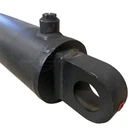
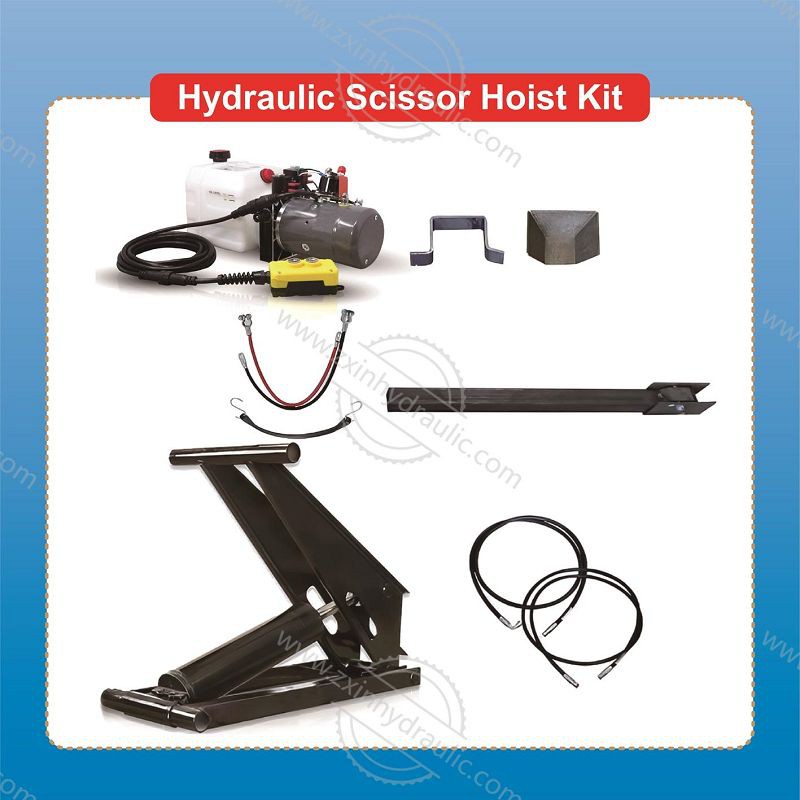
The hydraulic system is one of the most critical components of a tipper trailer kit. It is responsible for lifting and lowering the trailer bed. High - quality hydraulic systems, such as Hydraulic Scissor Hoists, are designed to be durable, but they still require regular maintenance.
The lifespan of the hydraulic system depends on factors like the quality of the hydraulic fluid, the frequency of use, and the operating conditions. If the hydraulic fluid is not changed regularly, it can become contaminated, leading to damage to the pumps, valves, and cylinders.
Frame and Body
The frame and body of the tipper trailer kit provide the structural support. A well - constructed frame made from high - strength steel can last a long time. However, if the kit is overloaded or subjected to sudden impacts, the frame may develop cracks or other structural issues.
The body of the trailer, which is often made of steel or aluminum, is also exposed to wear and tear. It can be damaged by the materials being transported, such as sharp rocks or heavy machinery. Regular inspections and repairs can help extend the lifespan of the frame and body.

Gears and Hinges
Gears and hinges are essential for the smooth operation of the tipper trailer kit. They allow the trailer bed to pivot and lift. These components are subject to friction and stress, and over time, they can wear out.
Proper lubrication is crucial for the longevity of gears and hinges. If they are not lubricated regularly, they may seize up, causing the kit to malfunction. Replacing worn - out gears and hinges in a timely manner can prevent further damage to the kit.
Extending the Lifespan of Your Tipper Trailer Kit
Training Operators
Ensuring that operators are properly trained is essential for the long - term health of the tipper trailer kit. Operators should be aware of the kit's weight limits, proper operating procedures, and safety protocols. Incorrect operation, such as overloading the trailer or using the hoist in an improper manner, can significantly reduce the lifespan of the kit.
Using the Right Accessories
Using the appropriate accessories can also help extend the lifespan of the tipper trailer kit. For example, installing mud flaps can prevent dirt and debris from being thrown onto the kit, reducing the risk of corrosion. Using covers when the kit is not in use can protect it from the elements.
Upgrading Components
As technology advances, upgrading certain components of the tipper trailer kit can improve its performance and longevity. For instance, upgrading to a more efficient hydraulic system, like Dump Trailer Telescopic Kits, can reduce wear and tear on the other parts of the kit.
Conclusion
In conclusion, the lifespan of tipper trailer kits is influenced by multiple factors, including the quality of materials, frequency of use, maintenance, and operating conditions. By understanding these factors and taking appropriate measures, such as proper maintenance and training, you can maximize the lifespan of your tipper trailer kit.
If you're in the market for a high - quality tipper trailer kit or need advice on extending the lifespan of your existing kit, we're here to help. Our team of experts can provide you with detailed information and guide you through the selection process. Whether you need a kit for light - duty or heavy - duty applications, we have a wide range of products to meet your needs, including Dump Bed Trucks Hoist. Contact us today to start a discussion about your requirements and find the perfect solution for your business.
References
- Industry reports on tipper trailer durability
- Manufacturer's manuals for tipper trailer kits
- Customer feedback and case studies on tipper trailer kit usage and lifespan