

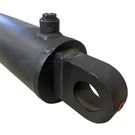

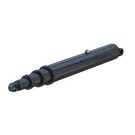


Hey there! As a piston rod supplier, I often get asked this question: How often should a piston rod be replaced? Well, there isn't a one - size - fits - all answer, and it depends on a bunch of factors. Let's dive right in and take a closer look at what influences the replacement frequency of piston rods.
1. Operating Conditions
The environment in which the piston rod operates plays a huge role. If it's in a harsh industrial setting, like a mining site or a chemical plant, the rod is going to face some tough challenges. In a mining environment, for example, there's a lot of dust and debris in the air. This dust can get into the hydraulic system and cause abrasion on the piston rod surface. Over time, this abrasion can lead to wear and tear, reducing the rod's lifespan.
Similarly, in a chemical plant, the rod might be exposed to corrosive chemicals. Even a small amount of chemical exposure can start to eat away at the rod's protective coating and eventually damage the rod itself. In these harsh conditions, piston rods may need to be replaced more frequently, perhaps every 6 - 12 months.
On the other hand, if the piston rod is used in a more controlled environment, like an office building's elevator hydraulic system, the operating conditions are much milder. There's less dust, no corrosive chemicals, and the temperature is usually stable. In such a case, the piston rod could last 2 - 5 years or even longer before replacement is necessary.
2. Usage Frequency
How often the piston rod is used also matters a great deal. Think about a piston rod in a manufacturing machine that runs 24/7. It's constantly in motion, pushing and pulling, and this high - frequency use puts a lot of stress on the rod. The more it moves, the more wear it experiences. In a high - usage scenario like this, you might need to replace the piston rod every 1 - 2 years.
In contrast, a piston rod in a piece of equipment that's only used occasionally, such as a weekend - only farm vehicle, won't experience as much wear. It could go 5 - 10 years without needing a replacement. So, if you're using your piston rod - equipped machinery sparingly, you can stretch out the time between replacements.
3. Maintenance Practices
Good maintenance can significantly extend the life of a piston rod. Regularly cleaning the rod and the hydraulic system can prevent the build - up of dirt and debris. This is crucial because dirt can act like sandpaper on the rod's surface, causing premature wear.

Lubrication is another key aspect. Proper lubrication reduces friction between the piston rod and other components in the hydraulic system. When there's less friction, there's less wear and tear on the rod. If you follow a strict maintenance schedule that includes regular cleaning and lubrication, you can probably double or even triple the lifespan of the piston rod compared to a situation where maintenance is neglected.
However, if maintenance is poor, with infrequent cleaning and lubrication, the rod will wear out much faster. You might find yourself replacing it every few months in extreme cases.
4. Quality of the Piston Rod
The quality of the piston rod you start with makes a big difference. High - quality piston rods are made from better materials and are manufactured to more precise specifications. They often have a superior surface finish and a more durable protective coating.

For example, a piston rod made from high - grade steel with a hard - chrome plating will be more resistant to wear and corrosion than a lower - quality rod. If you invest in a top - notch piston rod from the start, you can expect it to last longer. It might still need to be replaced eventually, but the time between replacements could be 2 - 3 times longer compared to a cheaper, lower - quality alternative.
Signs That a Piston Rod Needs Replacement
Now that we've talked about the factors affecting replacement frequency, let's look at some signs that it's time to replace the piston rod.

- Visible Wear: If you can see scratches, grooves, or pitting on the surface of the piston rod, it's a clear sign that it's wearing out. These surface imperfections can affect the rod's performance and may lead to leaks in the hydraulic system.
- Leakage: A leaking hydraulic system is often a symptom of a worn - out piston rod. The rod's seal may not be able to hold the hydraulic fluid properly if the rod surface is damaged. If you notice hydraulic fluid leaking around the piston rod, it's a good indication that replacement is needed.
- Reduced Performance: If the equipment using the piston rod is not performing as well as it used to, it could be due to a problem with the rod. For example, if the movement is slower or less smooth, the rod may be too worn to function properly.
Related Products
As a piston rod supplier, we also offer other related products that can work in tandem with piston rods. Check out our Gear Pumps for Trucks and Piston Pumps for Trucks. These pumps are essential components in many hydraulic systems that use piston rods. And if you're looking for high - quality tubing for your hydraulic system, our SRB Seamless Tube is a great choice.
Conclusion
So, to sum it up, there's no fixed answer to how often a piston rod should be replaced. It all boils down to operating conditions, usage frequency, maintenance practices, and the quality of the rod itself. By paying attention to these factors and looking out for the signs of wear, you can make an informed decision about when to replace your piston rod.
If you're in the market for a new piston rod or any of our other related products, don't hesitate to reach out. We're here to help you find the right solutions for your hydraulic system needs. Whether you need advice on replacement intervals or want to discuss your specific requirements, we're just a message away.
References
- Hydraulic System Handbook, various industry publications
- Manufacturer's guidelines for piston rods and related hydraulic components