

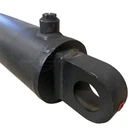



Balancing the load on piston pumps for trucks is a critical aspect of ensuring their efficient and long - lasting operation. As a supplier of Piston Pumps for Trucks, I've witnessed firsthand the importance of proper load balancing in the performance of these essential components. In this blog, I'll share some insights and strategies on how to achieve optimal load balance in piston pumps for trucks.
Understanding the Basics of Piston Pumps for Trucks
Piston pumps are a type of positive displacement pump that uses reciprocating pistons to move fluid. In trucks, these pumps are commonly used in hydraulic systems for various functions such as lifting heavy loads, operating hydraulic brakes, and powering other auxiliary equipment. The pistons inside the pump create a pressure difference that forces the fluid to flow. However, uneven loads on the pistons can lead to a variety of problems, including reduced efficiency, premature wear, and even pump failure.
Factors Affecting Load Distribution
Several factors can influence the load distribution on piston pumps for trucks. One of the primary factors is the design of the hydraulic system. If the system is not properly designed, it can cause uneven pressure distribution among the pistons. For example, if the flow paths in the system are not equal in length or diameter, some pistons may receive more fluid flow and thus carry a heavier load than others.
Another factor is the quality of the components used in the pump. Components such as Piston Rod and Seamless Cold - drawn Tube play a crucial role in the proper functioning of the piston pump. A piston rod with inconsistent dimensions or a seamless cold - drawn tube with internal defects can lead to uneven movement of the pistons, resulting in imbalanced loads.
The operating conditions of the truck also have a significant impact on load distribution. For instance, if the truck is frequently used in harsh environments with high temperatures, dust, or vibrations, it can affect the performance of the piston pump. These conditions can cause the fluid viscosity to change, which in turn can alter the pressure and flow characteristics within the pump, leading to load imbalances.
Strategies for Balancing the Load
1. System Design Optimization
Proper system design is the first step in achieving load balance. When designing the hydraulic system for a truck, it's essential to ensure that the flow paths are as uniform as possible. This can be achieved by using equal - length pipes and fittings with consistent diameters. Additionally, the use of flow control valves can help regulate the fluid flow to each piston, ensuring that they all receive an equal amount of fluid.
2. Component Selection
Choosing high - quality components is crucial for load balancing. As a supplier, I always recommend using components that meet strict quality standards. For piston rods, look for those with precise dimensions and smooth surfaces to ensure smooth piston movement. Seamless cold - drawn tubes should be free from internal defects and have a uniform wall thickness to provide a stable housing for the pistons.
3. Regular Maintenance
Regular maintenance is essential for keeping the piston pump in good working condition and maintaining load balance. This includes checking the fluid level and quality regularly. Contaminated or degraded fluid can cause increased friction and wear on the pistons, leading to load imbalances. Flushing the system and replacing the fluid at recommended intervals can help prevent these issues.
It's also important to inspect the components for signs of wear or damage. Worn - out piston rods or tubes can cause uneven movement of the pistons, so they should be replaced promptly. Additionally, checking the seals and gaskets for leaks can prevent fluid loss and ensure proper pressure distribution within the pump.
4. Monitoring and Adjustment
Implementing a monitoring system can help detect load imbalances early. Pressure sensors can be installed at various points in the hydraulic system to measure the pressure at each piston. By analyzing the pressure data, any deviations from the normal pressure values can be identified, indicating a potential load imbalance.


Once a load imbalance is detected, adjustments can be made. This may involve adjusting the flow control valves to redistribute the fluid flow or making minor modifications to the system to correct any design flaws.
Benefits of Load Balancing
Balancing the load on piston pumps for trucks offers several benefits. Firstly, it improves the efficiency of the pump. When the pistons are evenly loaded, the pump can operate more smoothly, reducing energy consumption and increasing the overall performance of the hydraulic system.
Secondly, load balancing extends the lifespan of the pump. Uneven loads can cause excessive wear on the pistons, rods, and other components, leading to premature failure. By ensuring that the load is evenly distributed, the wear and tear on the components are minimized, resulting in a longer - lasting pump.
Finally, load balancing enhances the reliability of the truck's hydraulic system. A well - balanced piston pump is less likely to experience breakdowns, reducing the downtime of the truck and increasing its productivity.
Conclusion
Balancing the load on piston pumps for trucks is a complex but essential task. By understanding the factors that affect load distribution and implementing the strategies mentioned above, truck owners and operators can ensure the efficient and reliable operation of their hydraulic systems. As a supplier of Piston Pumps for Trucks, I'm committed to providing high - quality components and technical support to help you achieve optimal load balance.
If you're interested in learning more about our piston pumps or need assistance with load balancing in your truck's hydraulic system, I encourage you to reach out for a procurement discussion. Our team of experts is ready to provide you with the best solutions tailored to your specific needs.
References
- Fluid Power Handbook, edited by the International Fluid Power Society.
- Hydraulic System Design and Maintenance Guide, published by a leading industry association.