

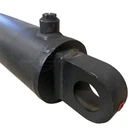



Hey there! As a supplier of dump trailer hoists, I often get asked about how to check the cylinder of a dump trailer hoist. It's a crucial part of the whole setup, and making sure it's in tip - top shape is super important for the smooth operation of your dump trailer. So, let's dive right in and talk about how you can do a proper check.
Visual Inspection
The first step in checking the cylinder of a dump trailer hoist is a good old - fashioned visual inspection. You don't need any fancy tools for this one. Just take a good look at the cylinder from top to bottom.
Start by checking for any visible signs of damage. Look for dents, scratches, or cracks on the cylinder body. Even a small scratch can lead to bigger problems down the road, like leaks or reduced performance. If you spot any damage, it's a good idea to replace the cylinder or at least have it professionally repaired.
Next, check the seals. The seals are what keep the hydraulic fluid inside the cylinder and prevent leaks. Look for any signs of leakage around the seals. You might see a puddle of hydraulic fluid on the ground beneath the cylinder or some wet spots on the cylinder itself. If you notice a leak, it could be a sign that the seals are worn out and need to be replaced. You can find some great replacement seals in our Tipper Trailer Kits.

Also, pay attention to the piston rod. It should be straight and free of any rust or corrosion. A bent piston rod can cause uneven movement of the hoist and put extra stress on other components. If you see any rust, you can try to clean it off with a wire brush, but if the rust is severe, it might be time to replace the rod.
Measuring the Cylinder
After the visual inspection, it's time to do some measuring. You'll need a few basic tools for this, like a caliper.
Measure the diameter of the cylinder. This measurement should match the specifications of your dump trailer hoist. If the diameter is off, it could affect the performance of the hoist. You can usually find the correct diameter in the hoist's manual.
Next, measure the length of the piston stroke. The piston stroke is the distance the piston moves inside the cylinder. It's important to make sure that the piston stroke is within the recommended range. If it's too short or too long, it can cause problems with the lifting capacity and the stability of the dump trailer. Our Dump Trailer Telescopic Kits are designed to have the right piston stroke for optimal performance.
Checking the Hydraulic System
The cylinder of a dump trailer hoist is part of a larger hydraulic system. So, it's essential to check the hydraulic system as well.
First, check the hydraulic fluid level. The hydraulic fluid is what powers the cylinder. If the fluid level is low, it can cause the hoist to operate slowly or not at all. You can usually check the fluid level through a sight glass on the hydraulic reservoir. If the fluid level is low, add the recommended type of hydraulic fluid.
Also, check the quality of the hydraulic fluid. It should be clean and free of any debris or contaminants. If the fluid looks dirty or has a milky appearance, it might be time to change the fluid. Contaminated fluid can damage the cylinder and other components of the hydraulic system.
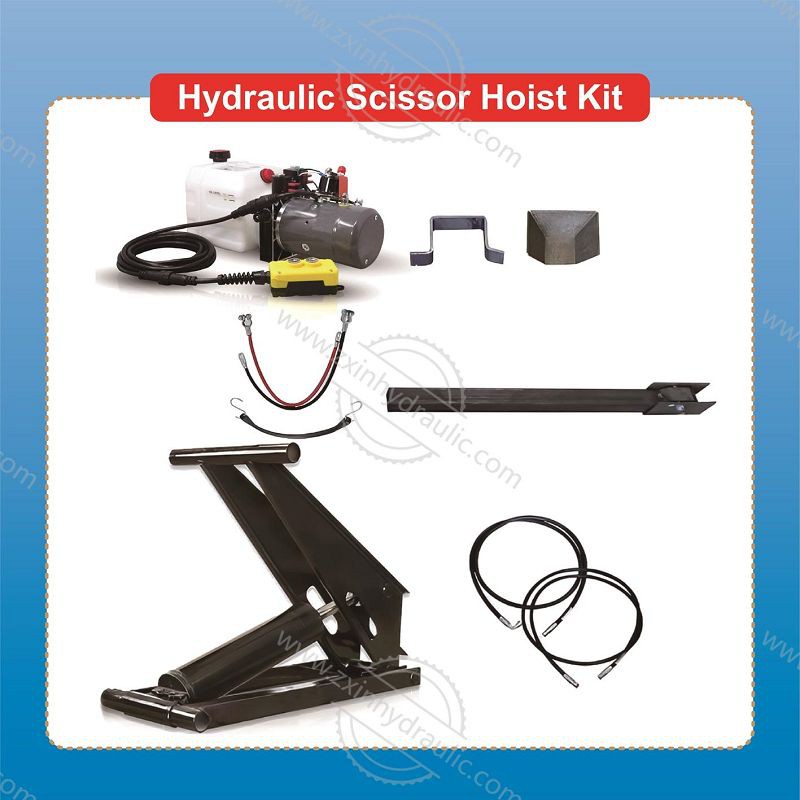
Inspect the hydraulic hoses and fittings. Look for any signs of wear, cracks, or leaks. A damaged hose or fitting can cause a loss of hydraulic pressure, which will affect the performance of the cylinder. Make sure all the fittings are tight and secure. If you need to replace any hoses or fittings, you can find a wide range of options in our Hydraulic Scissor Hoists.
Testing the Cylinder
Once you've done the visual inspection, measurements, and checked the hydraulic system, it's time to test the cylinder.
Operate the dump trailer hoist and observe how the cylinder behaves. The hoist should lift and lower smoothly without any jerks or unusual noises. If you notice any jerks, it could be a sign of air in the hydraulic system or a problem with the cylinder itself.
Pay attention to the lifting capacity. The hoist should be able to lift the load as specified by the manufacturer. If it struggles to lift the load or can't lift it at all, there might be an issue with the cylinder or the hydraulic system.
Check the speed of the hoist. It should operate at a consistent speed when lifting and lowering. If the speed is too slow or too fast, it could indicate a problem with the hydraulic flow or the cylinder's internal components.
Maintenance Tips
To keep your dump trailer hoist cylinder in good condition, here are some maintenance tips.
Regularly clean the cylinder and the surrounding area. Dirt and debris can accumulate on the cylinder and cause damage over time. Use a mild detergent and a soft cloth to clean the cylinder.
Lubricate the moving parts of the cylinder. This will reduce friction and wear, and help the cylinder operate more smoothly. Use a high - quality lubricant recommended for hydraulic cylinders.
Follow the manufacturer's maintenance schedule. This will include things like changing the hydraulic fluid, inspecting the seals, and checking the hoses and fittings at regular intervals.
In conclusion, checking the cylinder of a dump trailer hoist is not that complicated. By following these steps, you can ensure that your hoist is in good working condition and avoid costly breakdowns. If you have any questions or need more information about our dump trailer hoist products, feel free to reach out. We're always here to help you with your procurement needs and ensure that you get the best products for your dump trailers.
References
- "Hydraulic Cylinder Maintenance Guide" - General Hydraulics Handbook
- "Dump Trailer Hoist Operation Manuals" - Industry Standard Publications