

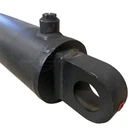



Hey there, truck enthusiasts and operators! As a supplier of Piston Pumps for Trucks, I know how crucial it is to keep your pumps in top - notch condition. One of the key maintenance tasks is checking the oil level in these piston pumps. In this blog, I'll walk you through the step - by - step process of doing just that.


Why Check the Oil Level?
Before we dive into how to check the oil level, let's talk about why it's so important. The oil in a piston pump serves multiple purposes. It lubricates the moving parts, reducing friction and wear. This helps to extend the lifespan of the pump. It also helps in dissipating heat generated during the pump's operation. If the oil level is too low, the pump can overheat, leading to premature failure. On the other hand, if the oil level is too high, it can cause excessive pressure, which may also damage the pump.
What You'll Need
First things first, gather the tools and materials you'll need. You'll need a clean rag or towel, a dipstick (if your pump has one), and a funnel (for adding oil if needed). Make sure the area where you'll be working is clean to avoid any dirt or debris getting into the pump.
Step 1: Prepare the Truck and the Pump
Park your truck on a level surface. This is super important because if the truck is on an incline, the oil level reading won't be accurate. Turn off the engine and let it cool down for at least 15 - 20 minutes. Hot oil can be dangerous to handle, and it's also more likely to give an inaccurate reading.
Step 2: Locate the Oil Reservoir
The oil reservoir is where the oil is stored in the piston pump. In most trucks, it's usually located near the pump itself. Refer to your truck's manual if you're having trouble finding it. Some pumps have a clear sight glass on the reservoir, which makes it easy to see the oil level at a glance.
Step 3: Check the Oil Level Using a Dipstick
If your piston pump has a dipstick, here's what you do. Pull out the dipstick and wipe it clean with the rag. Then, re - insert it all the way back into the reservoir. After that, pull it out again and check the oil level. The dipstick usually has markings indicating the minimum and maximum oil levels. The oil level should be between these two marks. If it's below the minimum mark, you'll need to add oil.
Step 4: Check the Oil Level Using a Sight Glass
If your pump has a sight glass, look at it carefully. The sight glass will show the oil level inside the reservoir. It should be within the marked range. Some sight glasses have a colored area to indicate the proper oil level. If the oil is below this area, you need to add oil.
Step 5: Adding Oil
If you've determined that the oil level is low, it's time to add oil. Use the funnel to pour the oil slowly into the reservoir. Make sure to use the type of oil recommended in your truck's manual. Keep an eye on the dipstick or sight glass as you add oil. Stop adding oil once the level reaches the appropriate mark.
Step 6: Double - Check the Oil Level
After adding oil, wait a few minutes for the oil to settle. Then, check the oil level again using the dipstick or sight glass. Make sure the level is still within the proper range.
Step 7: Clean Up
Once you're done checking and adding oil (if needed), clean up any spills with the rag. Put the dipstick back in place and close the reservoir cap tightly.
Additional Tips
- Regularly check the oil level in your piston pump. A good rule of thumb is to check it every time you perform routine maintenance on your truck, like an oil change.
- Look for any signs of oil leakage around the pump or the reservoir. If you notice a leak, it's important to address it as soon as possible.
- Keep an eye on the color and consistency of the oil. If the oil looks dirty or has a milky appearance, it may be time to change the oil.
As a supplier of Piston Pumps for Trucks, we understand that having high - quality components is essential for the proper functioning of your truck. Our pumps are designed to be durable and efficient, but proper maintenance, like checking the oil level, is key to getting the most out of them.
We also offer Seamless Cold - drawn Tube and SRB Seamless Tube, which are used in many hydraulic systems, including those with piston pumps. These tubes are made to high standards, ensuring reliable performance.
If you're in the market for piston pumps for your trucks or have any questions about maintenance, don't hesitate to reach out. We're here to help you keep your trucks running smoothly. Whether you're a small - scale truck operator or a large - fleet manager, we can provide the products and support you need.
In conclusion, checking the oil level in piston pumps for trucks is a simple yet important maintenance task. By following these steps, you can ensure the longevity and efficiency of your pump. So, take a few minutes to check the oil level regularly, and your truck will thank you for it.
If you're interested in purchasing Piston Pumps for Trucks or have any questions about our products, feel free to get in touch. We're always ready to discuss your needs and provide you with the best solutions.
References
- Truck's owner's manual
- Manufacturer's guidelines for piston pumps