

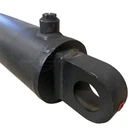



Hey there! As a supplier of Ejector Cylinders, I often get asked how to choose the right ones for a medical device. It's a crucial decision, and I'm here to break it down for you in a way that's easy to understand.
First off, let's talk about what ejector cylinders do in a medical context. These cylinders are responsible for precise and controlled movements, which are super important in medical devices. Whether it's pushing out a syringe plunger or moving a component within a diagnostic machine, the ejector cylinder needs to perform accurately and reliably.
1. Consider the Force Requirements
The first thing you've gotta think about is the force needed for your medical device. Different applications require different levels of force. For example, if you're designing a device for injecting a thick medication, you'll need an ejector cylinder that can generate enough force to push the plunger through the viscous liquid. On the other hand, a device for a gentle diagnostic test might not need as much force.


To determine the force requirements, you can look at the specifications of the medical process. If it's a well - established medical procedure, there are usually industry standards that can give you a ballpark figure. You can also consult with medical professionals or engineers who are familiar with the specific application.
2. Stroke Length
The stroke length is another key factor. This is the distance the piston in the ejector cylinder can travel. In a medical device, the stroke length should match the movement required by the application. For instance, if you're creating a device to dispense a specific volume of a liquid, the stroke length of the ejector cylinder will determine how much liquid can be dispensed in one go.
If the stroke length is too short, the device won't be able to perform its function properly. If it's too long, you might end up with a larger and more expensive cylinder than necessary. So, measure and calculate the exact stroke length needed based on the medical device's design and operation.
3. Speed and Precision
Medical devices often require a high level of speed and precision. Some procedures need to be done quickly, while others demand extremely accurate movements. The ejector cylinder you choose should be able to meet these speed and precision requirements.
For high - speed applications, you need a cylinder that has a fast response time and can move the piston quickly. Precision, on the other hand, depends on the quality of the cylinder's construction and the control system. Look for cylinders that are known for their precise movements and have features like adjustable flow control to fine - tune the speed and accuracy.
4. Size and Compatibility
The size of the ejector cylinder is also important, especially in medical devices where space is often limited. You need to choose a cylinder that fits within the design of the device without causing any interference with other components.
Compatibility is another aspect related to size. The cylinder should be compatible with the existing hydraulic or pneumatic system in the medical device. This includes things like the connection ports, the type of fluid used, and the pressure ratings. Make sure to check the specifications of both the cylinder and the device's system to ensure a proper fit.
5. Material and Durability
Medical devices are often used in sensitive and sometimes harsh environments. The ejector cylinder should be made of materials that can withstand these conditions. For example, in a hospital setting, the cylinder might be exposed to disinfectants, which could corrode certain materials.
Stainless steel is a popular choice for medical - grade ejector cylinders because it's resistant to corrosion and is easy to clean. Other materials like aluminum or high - strength plastics can also be used depending on the specific requirements. Durability is key, as you don't want the cylinder to fail during a critical medical procedure.
6. Cost - Effectiveness
Of course, cost is always a factor. You want to get the best quality ejector cylinder for your medical device at a reasonable price. However, don't just go for the cheapest option. Sometimes, a lower - cost cylinder might not meet the quality and performance standards required for a medical application.
Compare different brands and models of ejector cylinders. Look at the features, specifications, and customer reviews. You can also get quotes from multiple suppliers to find the best deal. Remember, investing a little more in a high - quality cylinder can save you money in the long run by reducing the risk of device failures and maintenance costs.
Related Products
In the industrial world, there are other types of cylinders that might be of interest to you. For example, Dump Cylinder is used in garbage trucks to lift and dump the load. Ejector Cylinders are also used in garbage trucks, but they have a different function of pushing out the waste. And Compactor Cylinders are used to compress the garbage.
Conclusion
Choosing the right ejector cylinders for a medical device is a multi - faceted process. You need to consider the force requirements, stroke length, speed and precision, size and compatibility, material and durability, and cost - effectiveness. By carefully evaluating these factors, you can select the perfect ejector cylinder for your medical device.
If you're in the process of designing a medical device and need to source ejector cylinders, don't hesitate to reach out. We're here to help you make the best choice and ensure your medical device performs at its best.
References
- Medical Device Design Handbook: Second Edition by Myer Kutz
- Hydraulic and Pneumatic System Design and Troubleshooting by Robert Sheldon