

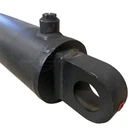



As a seasoned supplier of agricultural cylinders, I've witnessed firsthand the critical role these components play in the seamless operation of farming equipment. Ensuring the smooth movement of agricultural cylinders is not just about maintaining efficiency; it's about safeguarding the productivity and profitability of agricultural operations. In this blog, I'll share some valuable insights and practical tips on how to achieve this goal.
Understanding the Basics of Agricultural Cylinders
Before delving into the strategies for ensuring smooth movement, it's essential to have a basic understanding of agricultural cylinders. These hydraulic cylinders are used in a wide range of agricultural machinery, including tractors, combines, and loaders, to provide the necessary force for various functions such as lifting, tilting, and pushing. They consist of a cylinder barrel, a piston, a rod, and seals, and are powered by hydraulic fluid.
Regular Maintenance and Inspection
One of the most effective ways to ensure the smooth movement of agricultural cylinders is through regular maintenance and inspection. This includes checking the hydraulic fluid levels, inspecting the seals for leaks, and monitoring the cylinder's performance. Here are some specific maintenance tasks to consider:
- Check the Hydraulic Fluid: The hydraulic fluid is the lifeblood of the agricultural cylinder, providing the power and lubrication needed for smooth operation. Regularly check the fluid levels and ensure that it is clean and free of contaminants. If the fluid is low or dirty, it can cause the cylinder to malfunction or wear out prematurely.
- Inspect the Seals: The seals are responsible for preventing the hydraulic fluid from leaking out of the cylinder and keeping contaminants from entering. Over time, the seals can wear out or become damaged, leading to leaks and reduced performance. Inspect the seals regularly for signs of wear, damage, or leakage, and replace them as needed.
- Monitor the Cylinder's Performance: Pay attention to the cylinder's performance during operation. If you notice any signs of uneven movement, slow response, or excessive noise, it could indicate a problem with the cylinder. Stop using the equipment immediately and have the cylinder inspected by a qualified technician.
Proper Installation and Alignment
Proper installation and alignment are crucial for the smooth movement of agricultural cylinders. Incorrect installation can cause the cylinder to bind, leak, or wear out prematurely, while misalignment can lead to uneven stress and premature failure. Here are some tips for ensuring proper installation and alignment:
- Follow the Manufacturer's Instructions: Always follow the manufacturer's instructions when installing the agricultural cylinder. This includes using the correct tools, torque specifications, and installation procedures. Failure to follow the instructions can void the warranty and cause serious damage to the cylinder.
- Ensure Proper Alignment: Proper alignment is essential for the smooth movement of the agricultural cylinder. Make sure that the cylinder is aligned correctly with the mounting brackets and the equipment it is attached to. Use a straightedge or a laser alignment tool to check the alignment and make any necessary adjustments.
- Use the Correct Mounting Hardware: Use the correct mounting hardware when installing the agricultural cylinder. This includes using the correct bolts, nuts, and washers, and ensuring that they are tightened to the proper torque specifications. Using the wrong mounting hardware can cause the cylinder to loosen or vibrate, leading to premature wear and failure.
Selecting the Right Cylinder for the Application
Selecting the right agricultural cylinder for the application is crucial for ensuring smooth movement and optimal performance. Different applications require different types of cylinders, with varying sizes, capacities, and operating pressures. Here are some factors to consider when selecting the right cylinder for the application:
- Load Capacity: The load capacity of the agricultural cylinder is the maximum weight or force that it can handle. Make sure that the cylinder you select has a load capacity that is sufficient for the application. If the cylinder is overloaded, it can cause the cylinder to fail or wear out prematurely.
- Stroke Length: The stroke length of the agricultural cylinder is the distance that the piston can travel inside the cylinder. Make sure that the cylinder you select has a stroke length that is sufficient for the application. If the stroke length is too short, the cylinder may not be able to perform the required function, while if it is too long, it can cause the cylinder to bind or wear out prematurely.
- Operating Pressure: The operating pressure of the agricultural cylinder is the maximum pressure that it can handle. Make sure that the cylinder you select has an operating pressure that is compatible with the hydraulic system of the equipment. If the operating pressure is too high, it can cause the cylinder to fail or leak, while if it is too low, it can cause the cylinder to operate inefficiently.
Using High-Quality Components
Using high-quality components is essential for ensuring the smooth movement and reliability of agricultural cylinders. Low-quality components can cause the cylinder to malfunction, wear out prematurely, or fail completely. Here are some tips for using high-quality components:
- Choose a Reputable Supplier: Choose a reputable supplier of agricultural cylinders and components. Look for a supplier that has a proven track record of providing high-quality products and excellent customer service. A reputable supplier will also offer a warranty on their products, giving you peace of mind and protection against defects.
- Use Genuine Parts: Use genuine parts when replacing components in the agricultural cylinder. Genuine parts are designed and manufactured to the same specifications as the original parts, ensuring a perfect fit and optimal performance. Using non-genuine parts can cause the cylinder to malfunction or wear out prematurely.
- Invest in Quality Seals and O-Rings: The seals and O-rings are critical components of the agricultural cylinder, preventing the hydraulic fluid from leaking out and keeping contaminants from entering. Invest in high-quality seals and O-rings that are made from durable materials and designed to withstand the harsh operating conditions of the agricultural environment.
Training and Education
Proper training and education are essential for ensuring the smooth movement and optimal performance of agricultural cylinders. Operators and maintenance personnel should be trained on the proper use, maintenance, and troubleshooting of the cylinders. Here are some tips for providing training and education:
- Provide Comprehensive Training: Provide comprehensive training to operators and maintenance personnel on the proper use, maintenance, and troubleshooting of the agricultural cylinders. This includes training on how to check the hydraulic fluid levels, inspect the seals, and perform basic maintenance tasks.
- Offer Ongoing Support: Offer ongoing support to operators and maintenance personnel, including technical assistance and troubleshooting advice. This can help to ensure that any problems with the cylinders are identified and resolved quickly, minimizing downtime and reducing the risk of costly repairs.
- Stay Up-to-Date with the Latest Technology: Stay up-to-date with the latest technology and advancements in agricultural cylinders. This can help you to select the right cylinders for your applications and ensure that they are operating at peak performance.
Conclusion
Ensuring the smooth movement of agricultural cylinders is essential for the productivity and profitability of agricultural operations. By following the tips and strategies outlined in this blog, you can help to ensure that your agricultural cylinders are operating at peak performance and providing the reliable service that you need. Remember to regularly maintain and inspect the cylinders, select the right cylinder for the application, use high-quality components, and provide proper training and education to operators and maintenance personnel. If you have any questions or need further assistance, please don't hesitate to contact us. We're here to help you ensure the smooth movement of your agricultural cylinders and keep your equipment running smoothly.


References
If you're interested in purchasing high-quality agricultural cylinders for your equipment, we invite you to contact us for more information and to discuss your specific requirements. Our team of experts is here to help you select the right cylinders for your applications and ensure that they are installed and maintained properly. Don't hesitate to reach out and start the procurement discussion today.