

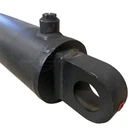



Hey there! I'm a supplier of Tipping Rams, and today I'm gonna share some tips on how to handle a Tipping Ram during transportation. Whether you're a seasoned pro or just getting started in the industry, these pointers can save you a lot of headaches and ensure your Tipping Rams arrive at their destination in top-notch condition.
First things first, let's talk about what a Tipping Ram is. A Tipping Ram is a crucial component in dump trucks and other heavy machinery. It's responsible for lifting and tipping the load, making it essential for efficient operations. But transporting these rams can be tricky due to their size, weight, and delicate nature.


Pre - Transportation Checks
Before you even think about loading the Tipping Ram onto a transport vehicle, you need to do a thorough inspection. Check for any visible damage such as dents, scratches, or leaks. Even a small scratch can lead to bigger problems down the line, like corrosion or hydraulic fluid leakage. Make sure all the seals are intact and that the ram is properly lubricated.
Inspect the mounting points as well. These are the areas where the ram attaches to the machinery. Any loose or damaged mounting points can cause the ram to shift during transportation, increasing the risk of damage. If you find any issues, address them immediately. It's better to spend a little time fixing things now than dealing with a damaged ram at the destination.
Packaging
Proper packaging is key when it comes to transporting a Tipping Ram. Start by cleaning the ram thoroughly to remove any dirt, debris, or grease. This not only helps in preventing corrosion but also makes it easier to spot any new damage during transit.
Use a high - quality protective covering. A heavy - duty plastic or rubber sleeve can provide an extra layer of protection against scratches and minor impacts. Wrap the ram tightly but not too tightly to avoid damaging any components. You can also use foam padding in strategic areas, especially around the ends and any protruding parts.
For larger Tipping Rams, consider using a custom - made crate. This provides a more secure and stable environment during transportation. The crate should be well - constructed and able to withstand the rigors of the journey. Make sure the ram is securely fastened inside the crate to prevent it from moving around.
Loading
When it's time to load the Tipping Ram onto the transport vehicle, take your time and be careful. Use appropriate lifting equipment, such as a crane or a forklift. Make sure the lifting equipment is rated for the weight of the ram.
Position the ram carefully on the vehicle. It should be placed in a way that distributes the weight evenly. Avoid placing the ram in an unstable position or near any sharp objects that could damage it. If possible, secure the ram to the vehicle using straps or chains. Make sure the straps are tightened properly but not so tight that they damage the ram.
Transportation
During transportation, there are a few things you need to keep in mind. First, choose a reliable transport company. Look for a company with experience in transporting heavy and delicate equipment. They should have a good track record of delivering goods safely and on time.
If the journey is long, make sure the transport vehicle is well - maintained. A breakdown in the middle of the journey can expose the ram to unnecessary risks. The vehicle should also be equipped with proper shock - absorbing systems to minimize the impact of bumps and vibrations.
Monitor the weather conditions as well. Extreme heat, cold, or moisture can have a negative impact on the Tipping Ram. If possible, schedule the transportation during favorable weather conditions. If not, take extra precautions such as covering the ram with a waterproof tarp in case of rain.
Unloading
Once the Tipping Ram arrives at its destination, it's time to unload it. Again, use appropriate lifting equipment and follow the same safety procedures as when loading. Inspect the ram immediately after unloading to check for any new damage that may have occurred during transit.
If the ram was in a crate, carefully remove it from the crate. Be gentle when removing any packaging materials to avoid scratching the ram. Place the ram in a safe and stable location until it's ready to be installed.
Different Types of Tipping Rams
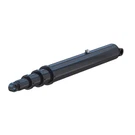
There are different types of Tipping Rams, each with its own unique transportation requirements. For example, Pin To Pin Telescopic Cylinders are more complex and may require extra care during transportation. These cylinders have multiple sections that can extend and retract, and any misalignment or damage to these sections can affect the performance of the ram.
When transporting Pin To Pin Telescopic Cylinders, make sure they are fully retracted. This reduces the risk of the sections getting damaged or bent during transit. Use additional padding around the telescopic sections to provide extra protection.
Another type is the Front - end Cylinder with Outer Cover. The outer cover provides some protection, but it's still important to handle these cylinders with care. Check the outer cover for any damage before transportation and make sure it's securely attached.
Final Thoughts
Handling a Tipping Ram during transportation requires attention to detail and a proactive approach. By following these tips, you can minimize the risk of damage and ensure that your Tipping Rams arrive at their destination in perfect working condition.
If you're in the market for high - quality Tipping Rams, we've got you covered. Our Tipping Rams are built to last and are designed to meet the highest industry standards. Whether you need a standard Tipping Ram or a custom - made one, we can provide you with the right solution.
If you're interested in learning more or discussing your specific needs, don't hesitate to reach out. We're always here to help you make the best decision for your business. Let's work together to get your operations running smoothly with top - notch Tipping Rams.
References
- Industry best practices for heavy equipment transportation
- Manufacturer's guidelines for Tipping Ram handling and transportation