

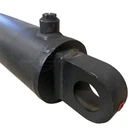



Hey there! As a supplier of Compactor Cylinders, I've seen firsthand the importance of reliability in these crucial components. Compactor cylinders play a vital role in various applications, especially in garbage trucks where they're used to compress waste. In this blog, I'll share some tips on how to improve the reliability of compactor cylinders.
1. Choose the Right Materials
The first step in ensuring the reliability of compactor cylinders is selecting the right materials. High - quality materials can withstand the harsh conditions that compactor cylinders are often exposed to. For the cylinder barrel, materials like high - strength steel are a great choice. They offer excellent resistance to wear, corrosion, and high pressures.
The piston rod is another critical part. A chrome - plated piston rod can significantly enhance its durability. Chrome plating provides a hard, smooth surface that reduces friction and protects against rust and scratches. When we're making our Compactor Cylinders, we always use top - notch materials to ensure long - term performance.
2. Proper Design and Manufacturing
A well - designed compactor cylinder is more likely to be reliable. The design should take into account factors such as the operating pressure, stroke length, and load requirements. For example, the internal geometry of the cylinder affects how the hydraulic fluid flows and how the force is distributed. A poorly designed cylinder may experience uneven stress, leading to premature failure.
During the manufacturing process, precision is key. Tight tolerances in machining ensure that all components fit together perfectly. Any misalignment or loose fit can cause problems like leaks or excessive wear. We have a team of experienced engineers and technicians who pay close attention to every detail during the manufacturing of our compactor cylinders.
3. Regular Maintenance
Regular maintenance is essential for the reliability of compactor cylinders. Just like any other mechanical component, they need to be inspected, cleaned, and serviced on a regular basis.
Inspection
Inspect the cylinder for any signs of damage, such as cracks, dents, or leaks. Check the seals for wear and tear. If you notice any issues, it's important to address them immediately. A small leak can quickly turn into a major problem if left unattended.
Cleaning
Keep the cylinder clean. Dirt and debris can enter the cylinder and cause damage to the internal components. Use a clean, dry cloth to wipe the cylinder regularly. If the cylinder is exposed to harsh environments, you may need to clean it more frequently.
Lubrication
Proper lubrication is crucial for the smooth operation of the compactor cylinder. Use the recommended lubricant and apply it according to the manufacturer's instructions. Lubrication reduces friction and wear, extending the life of the cylinder.
4. Quality Seals and Gaskets
Seals and gaskets are critical for preventing hydraulic fluid leaks. Low - quality seals can fail prematurely, leading to loss of pressure and reduced performance. When choosing seals and gaskets for your compactor cylinders, opt for high - quality ones that are designed to withstand the specific operating conditions.
For example, in garbage truck applications, the seals need to be resistant to chemicals, abrasion, and high temperatures. We always use premium seals and gaskets in our Compactor Cylinders to ensure reliable performance.
5. Monitoring and Diagnostic Tools
Using monitoring and diagnostic tools can help you detect potential problems before they become serious. For example, pressure sensors can be installed to monitor the operating pressure of the cylinder. If the pressure is too high or too low, it could indicate a problem with the cylinder or the hydraulic system.
Temperature sensors can also be used to monitor the temperature of the cylinder. Excessive heat can cause damage to the seals and other components. By using these tools, you can take proactive measures to prevent failures and improve the reliability of the compactor cylinder.


6. Training for Operators
Operators play a crucial role in the reliability of compactor cylinders. They need to be trained on how to operate the equipment properly. Improper operation, such as overloading the cylinder or operating it at incorrect pressures, can lead to premature failure.
Provide training on the correct operating procedures, safety precautions, and maintenance requirements. Make sure operators understand the importance of following the guidelines. A well - trained operator can help extend the life of the compactor cylinder.
Different Types of Compactor Cylinders and Their Reliability
There are different types of compactor cylinders, each with its own characteristics and reliability requirements.
Packer Cylinder
Packer cylinders are used to compress waste in garbage trucks. They need to be able to withstand high forces and frequent cycles. To improve their reliability, it's important to ensure proper alignment and use high - performance seals. Since they are constantly in contact with waste, they also need to be resistant to corrosion and abrasion.
Dump Cylinder
Dump cylinders are used to lift the dump body of a garbage truck. They are subject to heavy loads and need to operate smoothly. Regular maintenance, including checking the hydraulic fluid level and the condition of the piston rod, is crucial for their reliability.
Conclusion
Improving the reliability of compactor cylinders requires a combination of proper material selection, design, manufacturing, maintenance, and operator training. By following these tips, you can ensure that your compactor cylinders perform reliably for a long time.
If you're in the market for high - quality compactor cylinders, we're here to help. We've been in the business for years, and our products are known for their reliability and performance. Whether you need a Packer Cylinder, Compactor Cylinders, or Dump Cylinder, we have the right solution for you. Feel free to reach out to us to discuss your requirements and start a procurement negotiation.
References
- Hydraulic Cylinder Handbook
- Garbage Truck Maintenance Manuals
- Industry best - practice guides on hydraulic system reliability