




In the dynamic world of agriculture, the efficiency of machinery is crucial for maximizing productivity. Agricultural cylinders play a pivotal role in various farming equipment, from tractors to harvesters. One of the key performance indicators of these cylinders is their response speed. A faster response speed can lead to quicker operations, reduced downtime, and ultimately, higher yields. As a trusted supplier of Agricultural Hydraulic Cylinders, I understand the importance of optimizing the response speed of these essential components. In this blog post, I will share some valuable insights and practical tips on how to improve the response speed of agricultural cylinders.
Understanding the Basics of Agricultural Cylinders
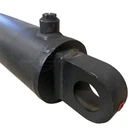
Before delving into the strategies for improving response speed, it's essential to have a basic understanding of how agricultural cylinders work. These cylinders are hydraulic devices that convert hydraulic energy into linear mechanical force and motion. They consist of a cylinder barrel, a piston, a piston rod, and various seals and valves. When hydraulic fluid is pumped into one side of the cylinder, it creates pressure that moves the piston and the attached rod, generating the desired linear motion.
The response speed of an agricultural cylinder refers to how quickly it can start, stop, and change its direction of movement in response to hydraulic signals. Several factors can affect this speed, including the design of the cylinder, the quality of the hydraulic components, the viscosity of the hydraulic fluid, and the overall system configuration.
Optimizing Cylinder Design
The design of the agricultural cylinder itself plays a significant role in determining its response speed. Here are some design considerations that can help improve performance:
- Cylinder Size and Bore Diameter: Choosing the right cylinder size and bore diameter is crucial. A cylinder that is too large for the application may require more hydraulic fluid to move the piston, resulting in slower response times. On the other hand, a cylinder that is too small may not be able to generate enough force. It's important to select a cylinder with an appropriate bore diameter based on the specific load requirements and the desired speed of operation.
- Piston and Rod Design: The design of the piston and rod can also impact response speed. A lightweight piston and rod can reduce inertia, allowing the cylinder to start and stop more quickly. Additionally, using a piston with a smooth surface finish can minimize friction, further improving the cylinder's responsiveness.
- Seal Selection: High-quality seals are essential for maintaining proper hydraulic pressure and preventing fluid leakage. Leaking seals can cause a loss of pressure, which can slow down the cylinder's response. Choosing seals that are specifically designed for agricultural applications and are resistant to wear, temperature, and chemicals can help ensure optimal performance.
Upgrading Hydraulic Components
The hydraulic system that powers the agricultural cylinder is another critical factor in determining its response speed. Upgrading certain components can significantly improve the overall performance of the system:
- Hydraulic Pump: A high-capacity hydraulic pump can deliver a larger volume of fluid at a higher pressure, allowing the cylinder to move more quickly. Consider upgrading to a pump with a higher flow rate and pressure rating to improve the response speed of your agricultural cylinders.
- Valves: The valves in the hydraulic system control the flow and direction of the hydraulic fluid. Upgrading to high-speed valves can reduce the time it takes for the fluid to reach the cylinder, resulting in faster response times. Additionally, using proportional valves can provide more precise control over the cylinder's movement, further enhancing its responsiveness.
- Hydraulic Hoses and Fittings: Ensuring that the hydraulic hoses and fittings are in good condition and properly sized is essential for maintaining optimal fluid flow. Damaged or undersized hoses can restrict the flow of fluid, causing a decrease in response speed. Regularly inspecting and replacing worn-out hoses and fittings can help prevent these issues.
Maintaining Proper Hydraulic Fluid
The hydraulic fluid used in the agricultural cylinder system plays a crucial role in its performance. Here are some tips for maintaining the proper fluid to improve response speed:


- Fluid Viscosity: The viscosity of the hydraulic fluid affects its flow characteristics. Using a fluid with the correct viscosity for the operating temperature is essential for optimal performance. A fluid that is too thick may not flow easily, causing slower response times, while a fluid that is too thin may not provide adequate lubrication and may lead to increased wear.
- Fluid Contamination: Contaminated hydraulic fluid can cause damage to the cylinder components and reduce its response speed. Regularly checking and changing the hydraulic fluid, as well as using high-quality filters, can help prevent contamination and ensure the smooth operation of the system.
- Fluid Temperature: Extreme temperatures can also affect the performance of the hydraulic fluid. In cold weather, the fluid may become thicker, reducing its flow rate, while in hot weather, it may break down more quickly. Using a fluid with a wide operating temperature range and implementing proper cooling or heating systems can help maintain the fluid at the optimal temperature.
System Configuration and Tuning
Proper system configuration and tuning are essential for maximizing the response speed of agricultural cylinders. Here are some considerations:
- Piping Layout: The layout of the hydraulic piping can impact the flow of fluid and the response speed of the cylinder. Minimizing the length and number of bends in the piping can reduce pressure losses and improve the cylinder's responsiveness. Additionally, ensuring that the piping is properly supported and secured can prevent vibration and noise, which can also affect performance.
- System Pressure and Flow Settings: Adjusting the system pressure and flow settings to match the requirements of the agricultural cylinder is crucial. Over-pressurizing the system can cause excessive wear on the components, while under-pressurizing can result in slow response times. Working with a qualified hydraulic technician to properly set the pressure and flow rates can help optimize the system's performance.
- Feedback and Control Systems: Implementing feedback and control systems can provide more precise control over the movement of the agricultural cylinder. For example, using sensors to monitor the position and speed of the cylinder and adjusting the hydraulic signals accordingly can improve its response speed and accuracy.
Regular Maintenance and Inspection
Regular maintenance and inspection are essential for ensuring the long-term performance and reliability of agricultural cylinders. Here are some maintenance tasks that can help improve response speed:
- Lubrication: Proper lubrication of the cylinder components is essential for reducing friction and wear. Regularly applying lubricant to the piston, rod, and other moving parts can help ensure smooth operation and improve the cylinder's responsiveness.
- Inspection of Components: Regularly inspecting the cylinder for signs of wear, damage, or leakage is crucial. Checking the seals, pistons, rods, and other components for any signs of deterioration and replacing them as needed can prevent issues that can affect the response speed.
- Testing and Calibration: Periodically testing and calibrating the agricultural cylinder and the hydraulic system can help ensure that they are operating at their optimal performance. This can involve checking the cylinder's stroke length, speed, and force output, as well as adjusting the hydraulic system settings as needed.
Conclusion
Improving the response speed of agricultural cylinders is essential for enhancing the efficiency and productivity of farming operations. By optimizing the cylinder design, upgrading hydraulic components, maintaining proper hydraulic fluid, configuring the system correctly, and performing regular maintenance, you can significantly improve the performance of your agricultural cylinders. As a leading supplier of Agricultural Hydraulic Cylinders, Hydraulic Tilt Cylinders, and Top Link Hydraulic Cylinders, we are committed to providing high-quality products and expert advice to help you achieve the best results. If you have any questions or need assistance with improving the response speed of your agricultural cylinders, please don't hesitate to contact us. We look forward to working with you to optimize your farming equipment and increase your productivity.
References
- "Hydraulic Cylinder Design and Application Handbook," by John F. Dwyer
- "Agricultural Machinery and Equipment: Principles and Applications," by Paul D. Jasa, Steven P. Mickelson, and Robert G. Erbach
- "Fluid Power Technology," by Anthony Esposito