




Installing piston pumps for trucks is a crucial process that requires careful planning, precision, and a good understanding of the equipment involved. As a supplier of Piston Pumps for Trucks, I've witnessed firsthand the importance of a proper installation to ensure the optimal performance and longevity of these pumps. In this blog post, I'll guide you through the step-by-step process of installing piston pumps for trucks, providing you with valuable insights and tips along the way.
Understanding Piston Pumps for Trucks
Before diving into the installation process, it's essential to have a basic understanding of piston pumps for trucks. These pumps are a type of positive displacement pump that uses pistons to move fluid through the system. They are commonly used in trucks for various applications, such as hydraulic systems, fuel injection, and power steering.
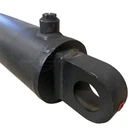
Piston pumps offer several advantages, including high efficiency, precise control, and the ability to handle high pressures. However, they also require proper installation and maintenance to function correctly. Key components of a piston pump include the Piston Rod, cylinders, valves, and a drive mechanism. Each of these components plays a vital role in the pump's operation, and any issues with them can lead to reduced performance or even pump failure.
Pre-Installation Preparation
The first step in installing a piston pump for a truck is to gather all the necessary tools and materials. You'll need basic hand tools such as wrenches, sockets, and screwdrivers, as well as specialized tools like a torque wrench and a seal installer. Make sure you have the correct pump model for your truck, along with all the required gaskets, seals, and fittings.
Next, you'll need to prepare the installation area. Clean the mounting surface on the truck to remove any dirt, debris, or rust. This will ensure a secure and stable installation. Check the alignment of the pump mounting holes with the corresponding holes on the truck. If necessary, use a alignment tool to ensure proper alignment.
It's also crucial to review the manufacturer's installation instructions. These instructions provide detailed information on the specific requirements for your pump model, including torque specifications, seal installation procedures, and fluid requirements. Following these instructions carefully will help you avoid common installation mistakes and ensure a successful installation.
Mounting the Piston Pump
Once you've completed the pre-installation preparation, it's time to mount the piston pump. Start by positioning the pump on the mounting surface and aligning the mounting holes. Insert the mounting bolts through the holes and hand-tighten them to hold the pump in place.
Use a torque wrench to tighten the mounting bolts to the manufacturer's specified torque value. Over-tightening the bolts can damage the pump or the mounting surface, while under-tightening can cause the pump to vibrate or loosen over time. Make sure to tighten the bolts evenly to ensure a proper seal and prevent leaks.
After mounting the pump, check its alignment again. The pump should be level and parallel to the drive shaft. If necessary, make adjustments to the mounting position to achieve proper alignment. Improper alignment can cause excessive wear on the pump components and reduce its efficiency.


Connecting the Inlet and Outlet Lines
The next step is to connect the inlet and outlet lines to the piston pump. Start by identifying the inlet and outlet ports on the pump. The inlet port is usually marked with an "IN" or a similar symbol, while the outlet port is marked with an "OUT."
Cut the Seamless Cold-drawn Tube to the appropriate length for the inlet and outlet lines. Make sure to use a clean and sharp cutting tool to ensure a smooth cut. Deburr the ends of the tubes to remove any sharp edges or burrs that could damage the seals or fittings.
Install the appropriate fittings on the ends of the tubes. Use a sealant or thread tape on the fittings to prevent leaks. Connect the inlet line to the inlet port on the pump and the outlet line to the outlet port. Tighten the fittings to the manufacturer's specified torque value using a wrench.
Once the lines are connected, check for any leaks. You can do this by pressurizing the system with a small amount of fluid and visually inspecting the connections for any signs of leakage. If you find a leak, tighten the fitting further or replace the seal as necessary.
Installing the Drive Mechanism
The drive mechanism is responsible for powering the piston pump. It can be a belt drive, a direct drive, or a hydraulic drive, depending on the specific application. Follow the manufacturer's instructions to install the drive mechanism correctly.
If you're using a belt drive, make sure the belt is properly tensioned. A loose belt can slip, causing reduced pump performance, while an overly tight belt can put excessive stress on the pump and the drive components. Use a belt tension gauge to measure the belt tension and adjust it as needed.
For a direct drive system, align the pump shaft with the drive shaft and install the coupling. Make sure the coupling is properly tightened and that the alignment is correct. A misaligned coupling can cause vibration and premature wear on the pump and the drive components.
Filling the Pump with Fluid
After installing the pump and connecting the lines, it's time to fill the pump with fluid. Use the recommended fluid type and viscosity for your pump model. Check the manufacturer's instructions for the correct fluid level and filling procedure.
Slowly pour the fluid into the pump through the fill port. Make sure to fill the pump completely, but avoid overfilling. Overfilling can cause the pump to malfunction or damage the seals. Once the pump is filled, check for any air bubbles in the system. You can do this by running the pump for a few minutes and observing the fluid flow. If you see air bubbles, bleed the system to remove them.
Testing the Pump
Before putting the truck back into service, it's essential to test the piston pump to ensure it's working correctly. Start the truck's engine and let it run for a few minutes to warm up the system. Monitor the pump's performance, including the pressure, flow rate, and temperature.
Check the system for any leaks, abnormal noises, or vibrations. If you notice any issues, stop the engine immediately and investigate the problem. Common issues include loose connections, worn seals, or a malfunctioning valve. Once you've resolved the issue, restart the engine and test the pump again.
Maintenance and Troubleshooting
Proper maintenance is key to ensuring the long-term performance and reliability of your piston pump. Regularly check the fluid level and condition, and change the fluid as recommended by the manufacturer. Inspect the seals, gaskets, and fittings for any signs of wear or damage, and replace them as needed.
If you encounter any problems with the pump, such as reduced performance, leaks, or abnormal noises, refer to the manufacturer's troubleshooting guide. This guide provides step-by-step instructions on how to diagnose and fix common issues. If you're unable to resolve the problem on your own, contact a professional technician for assistance.
Conclusion
Installing a piston pump for a truck is a complex but rewarding process. By following the steps outlined in this blog post and adhering to the manufacturer's instructions, you can ensure a successful installation and optimal performance of your pump. Remember to perform regular maintenance and troubleshooting to keep your pump in top condition.
If you're in the market for high-quality Piston Pumps for Trucks, we're here to help. As a trusted supplier, we offer a wide range of piston pumps designed to meet the specific needs of your truck. Contact us today to discuss your requirements and explore our product offerings. We look forward to working with you to provide the best piston pump solutions for your truck.
References
- Manufacturer's installation and operation manuals for piston pumps.
- Hydraulic system design and maintenance textbooks.
- Industry standards and best practices for piston pump installation.