

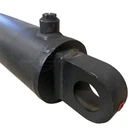

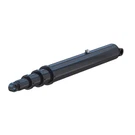


Hey there! I'm [Your Name], and I work as a supplier of Roll - off Truck Cylinders. Roll - off truck cylinders are a critical part of these heavy - duty vehicles, responsible for lifting and dumping heavy loads. To keep them running smoothly and extend their lifespan, proper lubrication is key. In this blog, I'm gonna share with you how to lubricate a roll - off truck cylinder.
Why Lubrication Matters
Before we dive into the how - to, let's talk about why lubrication is so important. Roll - off truck cylinders operate under high pressure and heavy loads. Without proper lubrication, the friction between moving parts can cause excessive wear and tear. This can lead to reduced efficiency, increased energy consumption, and eventually, cylinder failure. Lubrication helps to reduce friction, dissipate heat, and prevent corrosion, ensuring that your cylinder works at its best.
Tools and Materials You'll Need
First things first, gather the necessary tools and materials. You'll need:
- Lubricant: Choose a high - quality lubricant that's specifically designed for hydraulic cylinders. Check the manufacturer's recommendations for the best type of lubricant to use with your roll - off truck cylinder.
- Cleaning Rags: To wipe down the cylinder and remove any dirt or debris.
- Oil Can or Grease Gun: Depending on the type of lubricant you're using, you'll need a tool to apply it.
- Safety Gear: Gloves and safety glasses to protect yourself during the lubrication process.
Step 1: Prepare the Truck and the Cylinder
Before you start lubricating, make sure the roll - off truck is parked on a level surface and the engine is turned off. Engage the parking brake to prevent any accidental movement. Also, make sure the hydraulic system is depressurized. You can do this by operating the controls to lower the cylinder to its fully retracted position.
Next, visually inspect the cylinder for any signs of damage, such as leaks, cracks, or bent rods. If you notice any issues, it's best to address them before proceeding with lubrication. Use a clean rag to wipe down the cylinder, removing any dirt, dust, or debris. This will prevent contaminants from getting into the lubricant and causing damage.
Step 2: Locate the Lubrication Points
Roll - off truck cylinders typically have specific lubrication points. These can include the rod end, the gland, and the pivot points. Refer to the cylinder's user manual to find the exact location of these points. In most cases, the lubrication points will be marked with a grease fitting or an oil port.
Step 3: Apply the Lubricant
Now it's time to apply the lubricant. If you're using a grease gun, attach it to the grease fitting and pump the handle to dispense the grease. Apply a sufficient amount of grease until you see it starting to come out from the sides of the fitting. This indicates that the lubricant has reached the internal components.
If you're using an oil can, pour the lubricant into the oil port slowly. Be careful not to overfill. Some cylinders may have a sight glass or a dipstick to help you determine the correct oil level.
When lubricating the rod end, apply a thin layer of lubricant along the length of the rod. This will help to protect it from corrosion and reduce friction as it moves in and out of the cylinder.
Step 4: Check for Proper Lubrication
After applying the lubricant, operate the cylinder a few times to distribute the lubricant evenly. Extend and retract the cylinder slowly, observing its movement. The cylinder should move smoothly without any jerks or unusual noises. If you notice any problems, such as sticking or excessive resistance, it could indicate that the lubrication was not done correctly or that there is an underlying issue with the cylinder.


Step 5: Clean Up
Once you're satisfied with the lubrication, clean up any excess lubricant from the cylinder and the surrounding area. Use a clean rag to wipe away any drips or spills. Proper cleanup not only keeps the truck looking good but also helps to prevent dirt and debris from sticking to the lubricant.
Additional Tips
- Regular Maintenance Schedule: Set up a regular maintenance schedule for lubricating your roll - off truck cylinders. This will help to ensure that they are always in good working condition.
- Monitor the Lubricant Level: Keep an eye on the lubricant level and top it up as needed. Low lubricant levels can lead to increased friction and damage to the cylinder.
- Store Lubricants Properly: Store your lubricants in a cool, dry place away from direct sunlight. This will help to maintain their quality and effectiveness.
Related Products
If you're interested in other types of hydraulic cylinders, we also offer a range of products. Check out our Hydraulic Crutch, which is a great option for various industrial applications. Our Snowplow Hydraulic Cylinders are designed to withstand the harsh conditions of snow removal. And for those who need a more versatile option, our Double Acting Hydraulic Cylinder provides reliable performance.
Contact Us for Purchase
If you're in the market for high - quality roll - off truck cylinders or have any questions about lubrication or our other products, don't hesitate to reach out. We're here to help you find the right solutions for your needs. Whether you're a small business owner or part of a large fleet, we can provide you with the products and support you require.
References
- Manufacturer's Manuals for Roll - off Truck Cylinders
- Industry Standards for Hydraulic Cylinder Lubrication