




Hey there! As a supplier of hydraulic systems, I've seen firsthand how crucial it is to keep these systems in top - notch condition. A well - maintained hydraulic system not only ensures smooth operation but also extends the lifespan of the equipment, saving you a ton of money in the long run. So, let's dive into how you can maintain a hydraulic system effectively.
Regular Fluid Checks
One of the most important aspects of hydraulic system maintenance is checking the fluid. Hydraulic fluid acts as the lifeblood of the system, transferring power, lubricating components, and dissipating heat. You should check the fluid level regularly, at least once a week for systems that are in constant use. Low fluid levels can lead to cavitation, where bubbles form in the fluid and collapse, causing damage to pumps and other components.
Also, pay attention to the fluid's condition. Over time, hydraulic fluid can become contaminated with dirt, metal particles, and moisture. You can use a simple dipstick or a sight glass to visually inspect the fluid. If it looks cloudy, has a burnt smell, or contains visible particles, it's time for a change.
When changing the fluid, make sure to use the type recommended by the system manufacturer. Different hydraulic systems require different viscosities and additives, and using the wrong fluid can cause serious problems. You can find high - quality hydraulic fluids from reliable suppliers who can provide the right product for your specific system.
Filter Maintenance
Filters play a vital role in keeping the hydraulic fluid clean. They trap contaminants before they can reach sensitive components like pumps and valves. You should replace the filters at regular intervals as specified in the system's maintenance manual. Typically, filters need to be changed every 500 - 2000 hours of operation, depending on the system's usage and the environment it operates in.
A clogged filter can restrict the flow of fluid, leading to increased pressure and reduced efficiency. This can cause the system to overheat and wear out components faster. When replacing the filter, make sure to follow the correct installation procedure to prevent any bypass of unfiltered fluid.
Component Inspection
Regularly inspecting the components of the hydraulic system is essential. Check the hoses and fittings for signs of wear, leaks, or damage. Hoses can deteriorate over time due to exposure to heat, pressure, and chemicals. Look for cracks, bulges, or soft spots in the hoses. If you find any issues, replace the hoses immediately to prevent fluid leaks, which can not only cause a loss of system efficiency but also pose a safety hazard.
Inspect the pumps, valves, and cylinders as well. Pumps are the heart of the hydraulic system, and any problems with them can lead to a complete system failure. Listen for unusual noises coming from the pump, which could indicate a problem with the internal components. Valves should open and close smoothly, and cylinders should move without any jerking or sticking.


For trucks, you might be using specific types of pumps like Gear Pumps for Trucks or Piston Pumps for Trucks. These pumps have unique maintenance requirements, so make sure to refer to the manufacturer's guidelines.
Temperature and Pressure Monitoring
Monitoring the temperature and pressure of the hydraulic system is crucial for its proper operation. High temperatures can break down the hydraulic fluid, reducing its lubricating properties and causing oxidation. This can lead to the formation of sludge and varnish, which can clog filters and damage components.
You can install temperature sensors to keep an eye on the fluid temperature. Most hydraulic systems operate best within a certain temperature range, usually between 40 - 60 degrees Celsius. If the temperature exceeds this range, you may need to check the cooling system or reduce the system's workload.
Similarly, monitoring the pressure is important. Excessive pressure can damage components, while low pressure can result in poor system performance. Use pressure gauges to regularly check the pressure at different points in the system. If you notice any abnormal pressure readings, it could indicate a problem with the pump, valves, or other components.
Seal and Piston Rod Care
Seals are used to prevent fluid leaks in the hydraulic system. Over time, seals can wear out due to friction, heat, and chemical exposure. You should inspect the seals regularly for signs of damage or deterioration. If a seal is leaking, replace it as soon as possible to prevent fluid loss and contamination.
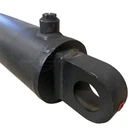
Piston rods are also critical components, especially in hydraulic cylinders. They need to be kept clean and free from scratches or dents. A damaged piston rod can cause the seal to fail and reduce the efficiency of the cylinder. You can use a clean cloth to wipe the piston rod regularly and apply a light coating of lubricant to protect it from corrosion.
Preventive Maintenance Schedule
Creating a preventive maintenance schedule is key to ensuring the long - term health of your hydraulic system. This schedule should include all the tasks mentioned above, such as fluid checks, filter replacements, component inspections, and temperature and pressure monitoring. By following a regular maintenance schedule, you can catch potential problems early and avoid costly breakdowns.
You can use a spreadsheet or a maintenance management software to keep track of when each task is due. Make sure to assign responsibility for each maintenance task to a qualified technician who has the necessary knowledge and skills to perform the work correctly.
Training and Education
Providing training and education to your maintenance staff is essential. They should have a good understanding of how the hydraulic system works, the importance of maintenance, and the proper procedures for performing maintenance tasks. This can help them identify problems quickly and take appropriate action.
You can organize in - house training sessions or send your staff to external training courses. There are also many online resources available that can provide valuable information about hydraulic system maintenance.
In conclusion, maintaining a hydraulic system requires a combination of regular checks, proper component care, and a proactive approach to preventive maintenance. By following the tips outlined in this blog, you can keep your hydraulic system running smoothly and efficiently.
If you're in the market for high - quality hydraulic system components or need more advice on maintenance, don't hesitate to reach out to us. We're here to help you with all your hydraulic system needs. Whether you're looking for pumps, hoses, filters, or other components, we've got you covered. Contact us today to start a discussion about your requirements and how we can assist you in maintaining and upgrading your hydraulic system.
References
- Manufacturer's manuals for hydraulic systems
- Industry standards for hydraulic system maintenance
- Technical papers on hydraulic fluid and component performance