

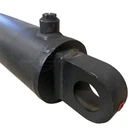



Ejector cylinders are crucial components in various industrial applications, especially in heavy - duty machinery such as garbage trucks and construction equipment. As a leading supplier of ejector cylinders, I understand the importance of proper maintenance to ensure their longevity and optimal performance. In this blog, I will share some essential tips on how to maintain ejector cylinders effectively.
Understanding Ejector Cylinders
Before delving into maintenance, it's important to have a basic understanding of ejector cylinders. These cylinders are hydraulic devices that convert fluid power into linear mechanical force and motion. They consist of a cylinder barrel, a piston, a piston rod, and various seals. The hydraulic fluid is pumped into one side of the piston, creating pressure that moves the piston and the attached rod, which in turn performs the desired work, such as ejecting materials from a container.
Regular Inspection
Regular inspection is the cornerstone of ejector cylinder maintenance. Visual inspections should be carried out frequently to check for any signs of damage, wear, or leaks. Look for scratches, dents, or corrosion on the cylinder barrel and piston rod. These surface imperfections can lead to seal damage and fluid leakage over time.
Inspect the seals carefully. Worn - out or damaged seals are a common cause of hydraulic fluid leakage. If you notice any signs of fluid seepage around the seals, it's a clear indication that the seals need to be replaced. Also, check the O - rings and other secondary seals for any signs of cracking or deformation.
In addition to visual inspections, it's also important to perform functional tests. Operate the ejector cylinder through its full range of motion and listen for any unusual noises, such as rattling or grinding. Unusual noises can indicate internal damage, such as a misaligned piston or a damaged bearing.
Fluid Maintenance
The hydraulic fluid in the ejector cylinder plays a vital role in its operation. It not only provides the power to move the piston but also lubricates the internal components and helps dissipate heat. Therefore, maintaining the quality of the hydraulic fluid is essential.
Regularly check the fluid level in the reservoir. Low fluid levels can cause the pump to draw in air, which can lead to cavitation and damage the internal components of the cylinder. If the fluid level is low, add the appropriate type of hydraulic fluid as recommended by the manufacturer.
Monitor the fluid quality. Over time, the hydraulic fluid can become contaminated with dirt, debris, and moisture. Contaminated fluid can cause abrasion of the internal components and reduce the efficiency of the cylinder. Use a fluid analysis kit to check the fluid's viscosity, water content, and contamination level. If the fluid is contaminated, it should be drained and replaced with fresh fluid.
Change the hydraulic filter regularly. The filter is designed to remove contaminants from the fluid. A clogged filter can restrict the flow of fluid and cause the pump to work harder, leading to premature wear and damage. Follow the manufacturer's recommendations for filter replacement intervals.
Cleaning
Keeping the ejector cylinder clean is an important part of maintenance. Dirt and debris can accumulate on the outside of the cylinder, which can then enter the internal components through the seals. Use a clean, dry cloth to wipe the cylinder barrel and piston rod regularly. Avoid using abrasive cleaners or solvents that can damage the surface of the cylinder.
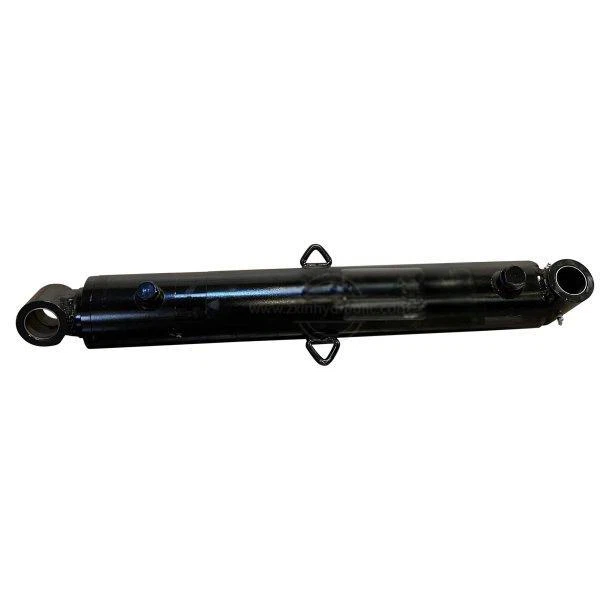

If the cylinder is exposed to harsh environments, such as in construction sites or garbage trucks, it may require more frequent cleaning. In such cases, a pressure washer can be used to clean the cylinder, but make sure to use a low - pressure setting to avoid damaging the seals.
Lubrication
Proper lubrication is essential for the smooth operation of the ejector cylinder. The piston rod and other moving parts need to be lubricated to reduce friction and wear. Use a high - quality lubricant recommended by the manufacturer. Apply the lubricant according to the specified intervals and procedures.
When lubricating the piston rod, make sure to clean it first to remove any dirt or debris. Then, apply a thin layer of lubricant evenly along the length of the rod. Avoid over - lubrication, as excess lubricant can attract dirt and debris, which can cause damage to the seals.
Storage
If the ejector cylinder is not going to be used for an extended period, proper storage is crucial to prevent damage. Before storing, clean the cylinder thoroughly and apply a protective coating to prevent corrosion. Store the cylinder in a dry, clean environment, away from direct sunlight and extreme temperatures.
It's also important to store the cylinder in a proper position. If possible, store the cylinder horizontally to prevent the piston from resting on one side for an extended period, which can cause uneven wear.
Related Products
As a supplier of ejector cylinders, we also offer a range of related products, such as Dump Cylinder, Packer Cylinder, and Compactor Cylinders. These products are designed to work in harmony with ejector cylinders in various applications, such as garbage trucks and waste management equipment.
Conclusion
Maintaining ejector cylinders is a critical task that requires regular inspection, fluid maintenance, cleaning, lubrication, and proper storage. By following these maintenance tips, you can extend the lifespan of your ejector cylinders, improve their performance, and reduce the risk of costly breakdowns.
If you are in the market for high - quality ejector cylinders or need more information on their maintenance, feel free to contact us. Our team of experts is always ready to assist you with your needs and provide you with the best solutions for your applications.
References
- Manufacturer's manuals for ejector cylinders
- Hydraulic systems textbooks
- Industry - specific maintenance guidelines