




Matching the hydraulic system with a roll-off truck cylinder is a critical process that requires a deep understanding of both components and their interaction. As a Roll-off Truck Cylinder supplier, I've witnessed firsthand the importance of this matching in ensuring the optimal performance and longevity of roll-off trucks. In this blog, I'll share some key insights on how to achieve this crucial match.
Understanding the Basics of Roll-off Truck Cylinders
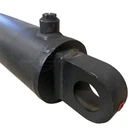
Before delving into the matching process, it's essential to understand what roll-off truck cylinders are. Roll-off Truck Cylinders are hydraulic cylinders specifically designed for roll-off trucks. These trucks are commonly used in waste management and construction industries to transport large containers. The cylinders are responsible for lifting and tilting the containers, allowing for easy loading and unloading.
Roll-off truck cylinders come in various sizes and specifications, depending on the capacity and design of the roll-off truck. They are typically made of high-strength steel to withstand the heavy loads and harsh operating conditions. The performance of these cylinders is directly related to the quality of the hydraulic system they are paired with.
Key Factors in Matching the Hydraulic System
Pressure Requirements
One of the primary factors to consider when matching the hydraulic system with a roll-off truck cylinder is the pressure requirements. The hydraulic system must be capable of generating enough pressure to operate the cylinder effectively. The pressure needed depends on the size and load capacity of the cylinder. For example, larger cylinders that are designed to lift heavier containers will require a higher pressure hydraulic system.
It's crucial to determine the maximum pressure that the cylinder can handle and ensure that the hydraulic system can provide this pressure without exceeding the cylinder's limits. Exceeding the pressure rating can lead to cylinder failure, leaks, and even safety hazards. Therefore, accurate pressure calculations and system design are essential.
Flow Rate
In addition to pressure, the flow rate of the hydraulic system is also a critical factor. The flow rate determines how quickly the cylinder can extend and retract. A higher flow rate will result in faster operation, which can improve the efficiency of the roll-off truck. However, it's important to balance the flow rate with the cylinder's design. If the flow rate is too high, it can cause cavitation, which can damage the cylinder and other components of the hydraulic system.
The flow rate requirements are typically determined by the size of the cylinder and the desired operating speed. A hydraulic engineer can calculate the appropriate flow rate based on these factors and design the system accordingly.
Compatibility of Components
Another important aspect of matching the hydraulic system with a roll-off truck cylinder is the compatibility of components. All components of the hydraulic system, including the pump, valves, hoses, and filters, must be compatible with the cylinder. For example, the pump must be able to provide the required pressure and flow rate, and the valves must be able to control the flow of hydraulic fluid accurately.
Using incompatible components can lead to poor performance, increased wear and tear, and even system failure. Therefore, it's essential to select components that are specifically designed for use with roll-off truck cylinders and the hydraulic system requirements.
Types of Hydraulic Systems for Roll-off Trucks
There are several types of hydraulic systems that can be used with roll-off truck cylinders, each with its own advantages and disadvantages.


Open-Center Hydraulic Systems
Open-center hydraulic systems are the most common type used in roll-off trucks. In an open-center system, the hydraulic fluid continuously circulates through the system when the control valves are in the neutral position. When a valve is actuated, the fluid is redirected to the cylinder to perform the desired function.
These systems are relatively simple and cost-effective. They are suitable for applications where the load on the cylinder is relatively constant. However, they may not be as efficient as other types of systems, especially in applications where there are frequent changes in load or operating conditions.
Closed-Center Hydraulic Systems
Closed-center hydraulic systems are more complex but offer several advantages over open-center systems. In a closed-center system, the hydraulic fluid is only circulated when a control valve is actuated. This means that there is less energy loss when the system is not in use, resulting in improved efficiency.
Closed-center systems are better suited for applications where there are frequent changes in load or operating conditions. They can also provide more precise control of the cylinder's movement. However, they are more expensive and require more maintenance than open-center systems.
Selecting the Right Hydraulic Cylinder
As a Roll-off Truck Cylinder supplier, I understand the importance of selecting the right cylinder for the hydraulic system. When choosing a cylinder, several factors should be considered.
Cylinder Size and Capacity
The size and capacity of the cylinder are determined by the load requirements of the roll-off truck. It's important to choose a cylinder that is large enough to handle the maximum load but not so large that it is overkill. An oversized cylinder can increase the cost of the system and may also lead to slower operation.
Mounting Style
The mounting style of the cylinder is another important consideration. There are several types of mounting styles available, including Clevis Hydraulic Cylinders. The mounting style should be compatible with the design of the roll-off truck and the hydraulic system. It should provide a secure and stable connection between the cylinder and the truck.
Sealing Technology
The sealing technology used in the cylinder is crucial for preventing leaks and ensuring long-term performance. High-quality seals can withstand the high pressures and harsh operating conditions of roll-off trucks. Different types of seals are available, and the choice depends on the specific requirements of the application.
Importance of Regular Maintenance
Once the hydraulic system and roll-off truck cylinder are properly matched and installed, regular maintenance is essential to ensure their continued performance. Maintenance tasks include checking the hydraulic fluid level, inspecting the hoses and connections for leaks, and replacing filters and seals as needed.
Regular maintenance can help prevent costly breakdowns and extend the lifespan of the hydraulic system and cylinder. It's also important to follow the manufacturer's recommendations for maintenance and servicing.
Other Applications of Hydraulic Cylinders
Hydraulic cylinders are not only used in roll-off trucks but also in various other applications. For example, Brick Machine Hydraulic Cylinders are used in brick manufacturing machines to provide the force needed to shape and compress the bricks. These cylinders also require a well-matched hydraulic system to ensure efficient and reliable operation.
Conclusion
Matching the hydraulic system with a roll-off truck cylinder is a complex but essential process. By considering factors such as pressure requirements, flow rate, component compatibility, and cylinder selection, you can ensure that the roll-off truck operates efficiently and safely. As a Roll-off Truck Cylinder supplier, I'm committed to providing high-quality cylinders and helping customers match them with the right hydraulic systems.
If you're in the market for roll-off truck cylinders or need assistance with matching the hydraulic system, please don't hesitate to contact us. Our team of experts is ready to provide you with the guidance and support you need to make the right decisions for your roll-off truck.
References
- "Hydraulic Systems: Design, Installation, and Maintenance" by Donald F. Paynter
- "Cylinder Design and Application" by the Hydraulic Institute
- Manufacturer's manuals for roll-off truck cylinders and hydraulic system components