

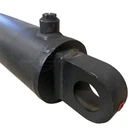



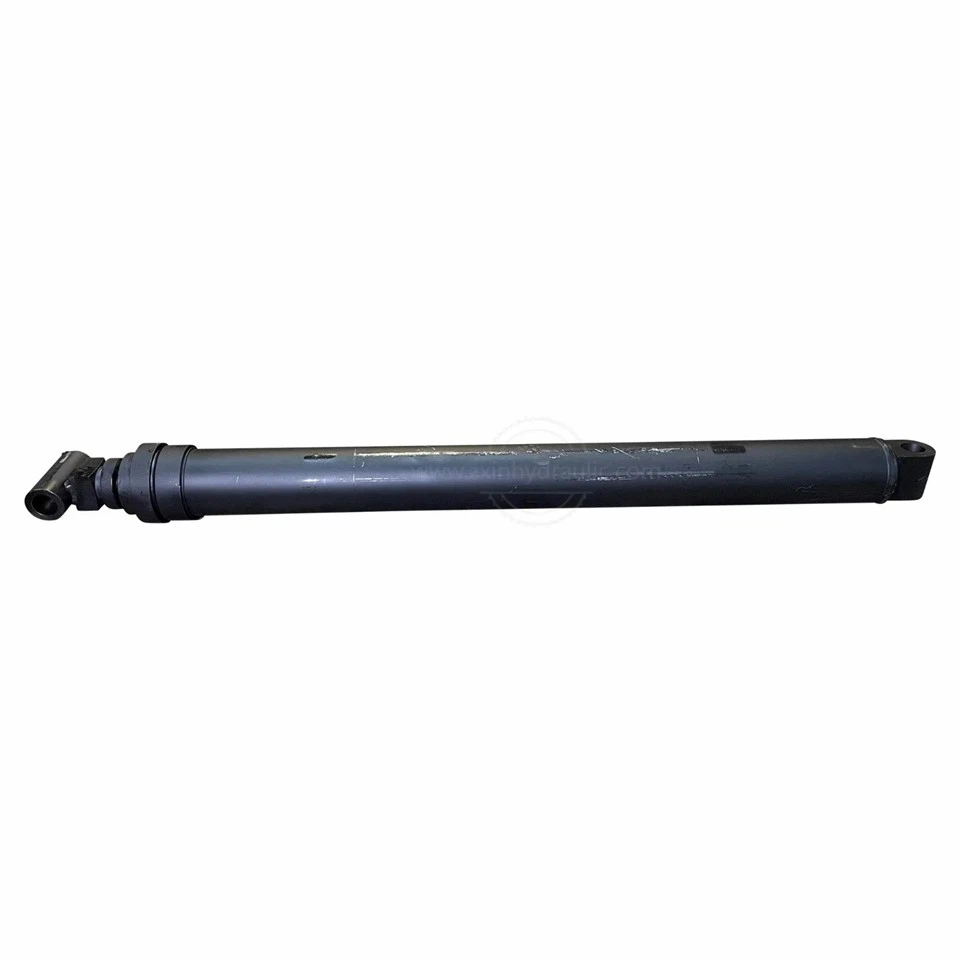
As a supplier of Tailgate Lift Cylinders, I understand the importance of accurate measurements in the manufacturing and maintenance of these crucial components. Measuring the rod diameter of a tailgate lift cylinder is a fundamental step that directly impacts the cylinder's performance, durability, and compatibility with the overall tailgate system. In this blog post, I will share some practical methods and considerations for measuring the rod diameter of a tailgate lift cylinder.
Why Accurate Rod Diameter Measurement Matters
The rod diameter of a tailgate lift cylinder plays a vital role in determining the cylinder's load - bearing capacity, speed of operation, and overall stability. A rod with an incorrect diameter can lead to several issues. For instance, if the rod diameter is too small, it may not be able to withstand the required load, resulting in bending or breakage. On the other hand, an overly large rod diameter can increase the weight of the cylinder, consume more energy during operation, and may not fit properly within the existing system.
Tools Required for Measuring
Before you start measuring the rod diameter, you need to gather the right tools. The most commonly used tools for this purpose are:
- Vernier Caliper: This is a precise measuring instrument that can measure both internal and external dimensions. It provides measurements with high accuracy, typically up to 0.02 mm or 0.001 inches.
- Micrometer: A micrometer is another highly accurate tool, especially suitable for measuring small diameters with extreme precision. It can measure to an accuracy of up to 0.001 mm or 0.00005 inches.
- Dial Bore Gauge: This tool is useful when you need to measure the internal diameter of a hole or a tube in relation to the rod. It can help ensure that the rod fits properly within the cylinder housing.
Step - by - Step Measurement Process
Step 1: Prepare the Cylinder
First, make sure the tailgate lift cylinder is clean and free from any dirt, debris, or oil. This will ensure accurate measurements. You can use a clean cloth or a mild solvent to clean the rod surface. If the cylinder is still installed in the vehicle, take necessary safety precautions, such as blocking the tailgate to prevent it from moving unexpectedly.
Step 2: Select the Measuring Point
The rod diameter may vary slightly along its length due to manufacturing tolerances or wear. It is important to select a representative measuring point. Usually, the middle section of the rod is a good choice as it is less likely to be affected by end - effects or wear at the seal areas. Avoid measuring near the ends of the rod, where there may be chamfers or other irregularities.
Step 3: Use the Measuring Tool
- Vernier Caliper: Open the jaws of the vernier caliper and place them around the rod at the selected measuring point. Gently close the jaws until they make firm contact with the rod surface. Make sure the caliper is perpendicular to the rod axis to get an accurate measurement. Read the measurement value on the scale of the vernier caliper. The main scale gives the whole number part of the measurement, and the vernier scale provides the fractional part.
- Micrometer: For a micrometer, turn the thimble to open the anvil and spindle. Place the rod between the anvil and the spindle and slowly turn the thimble until it makes contact with the rod. Then, use the ratchet stop (if available) to apply a consistent amount of pressure. Read the measurement on the sleeve and thimble of the micrometer.
- Dial Bore Gauge: If you are using a dial bore gauge to measure the internal diameter of the cylinder housing in relation to the rod, first zero the gauge using a standard ring gauge of the known diameter. Then, insert the gauge into the cylinder housing at the appropriate position and take the measurement. Compare this measurement with the rod diameter to ensure a proper fit.
Step 4: Take Multiple Measurements
To ensure accuracy, take at least three measurements at different points along the rod length. This will help you account for any minor variations in the diameter. Calculate the average of these measurements to get a more representative value of the rod diameter.

Considerations and Tips
Manufacturing Tolerances
All manufacturing processes have certain tolerances. When measuring the rod diameter, it is important to consider the manufacturer's specified tolerances. If the measured diameter falls within the acceptable tolerance range, the rod is considered to be within the manufacturing standards.
Wear and Tear
Over time, the rod may experience wear due to friction, corrosion, or other factors. If you notice signs of wear, such as grooves or uneven surfaces on the rod, take additional measurements at the worn areas. This will help you assess the extent of wear and determine if the rod needs to be replaced.
Compatibility with Other Components
The rod diameter should be compatible with other components of the tailgate lift system, such as the seals, pistons, and cylinder housing. Make sure to check the specifications of these components to ensure a proper fit. For example, if the rod diameter is too large, it may cause excessive friction on the seals, leading to premature seal failure.
Other Related Cylinder Types
In addition to tailgate lift cylinders, there are other types of hydraulic cylinders used in garbage trucks, such as Dump Cylinder and Ejector Cylinders. The measurement principles for these cylinders are similar to those of tailgate lift cylinders. However, the specific requirements and applications may vary.
Conclusion
Accurately measuring the rod diameter of a tailgate lift cylinder is a critical process that ensures the proper functioning and longevity of the cylinder. By using the right tools, following the correct measurement procedures, and considering various factors such as manufacturing tolerances and wear, you can obtain accurate measurements. As a supplier of Tailgate Lift Cylinder, we are committed to providing high - quality cylinders with precise dimensions. If you have any questions about measuring cylinder rod diameters or are interested in purchasing our products, please feel free to contact us for further discussion and procurement negotiation.
References
- "Hydraulic Cylinder Design and Application Handbook", published by a leading hydraulic industry association.
- Manufacturer's technical manuals for tailgate lift cylinders.