

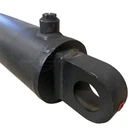



As a seasoned supplier of Side Tipper Cylinders, I've witnessed firsthand the detrimental effects of pressure fluctuations on these crucial components. Pressure fluctuations can lead to premature wear and tear, reduced efficiency, and even catastrophic failures in side tipper systems. In this blog post, I'll share some practical strategies to prevent pressure fluctuations in side tipper cylinders, drawing on my years of experience in the industry.
Understanding the Causes of Pressure Fluctuations
Before we delve into prevention strategies, it's essential to understand the root causes of pressure fluctuations in side tipper cylinders. Several factors can contribute to these fluctuations, including:
- Load Variations: Side tipper cylinders are designed to handle a wide range of loads, from light to heavy. Sudden changes in load can cause pressure spikes or drops in the hydraulic system, leading to fluctuations.
- Hydraulic Fluid Contamination: Contaminated hydraulic fluid can cause blockages in the system, leading to pressure fluctuations. Dirt, debris, and water can all contaminate the fluid, reducing its effectiveness and causing damage to the cylinder.
- Faulty Hydraulic Components: Worn or damaged hydraulic components, such as valves, pumps, and hoses, can also cause pressure fluctuations. These components may not function properly, leading to inconsistent pressure in the system.
- Inadequate System Design: A poorly designed hydraulic system can also contribute to pressure fluctuations. Insufficient sizing of components, improper valve settings, and inadequate flow rates can all lead to inconsistent pressure in the system.
Preventive Strategies
Now that we understand the causes of pressure fluctuations, let's explore some preventive strategies to keep your side tipper cylinders operating smoothly.
1. Proper Load Management
One of the most effective ways to prevent pressure fluctuations is to manage the load properly. This involves ensuring that the side tipper is not overloaded and that the load is evenly distributed. Overloading can cause excessive pressure on the cylinders, leading to premature wear and tear. Unevenly distributed loads can also cause pressure imbalances in the system, leading to fluctuations.
To manage the load properly, it's essential to follow the manufacturer's guidelines for the maximum load capacity of the side tipper. Additionally, you should use appropriate loading equipment, such as forklifts or cranes, to ensure that the load is evenly distributed. Regularly inspect the load to ensure that it is secure and properly balanced before tipping.
2. Regular Maintenance and Inspection
Regular maintenance and inspection are crucial for preventing pressure fluctuations in side tipper cylinders. This involves checking the hydraulic fluid level and quality, inspecting the hydraulic components for wear and damage, and ensuring that the system is properly lubricated.
- Hydraulic Fluid Maintenance: The hydraulic fluid is the lifeblood of the hydraulic system, and it's essential to keep it clean and at the proper level. Regularly check the fluid level and top it off as needed. Additionally, change the hydraulic fluid at the recommended intervals to prevent contamination. Use a high-quality hydraulic fluid that is compatible with the system and meets the manufacturer's specifications.
- Component Inspection: Regularly inspect the hydraulic components, such as valves, pumps, and hoses, for wear and damage. Look for signs of leaks, cracks, or corrosion. Replace any worn or damaged components immediately to prevent further damage to the system.
- Lubrication: Proper lubrication is essential for the smooth operation of the side tipper cylinders. Make sure to lubricate the cylinders and other moving parts at the recommended intervals. Use a high-quality lubricant that is compatible with the system and meets the manufacturer's specifications.
3. Quality Hydraulic Components
Using high-quality hydraulic components is another important preventive strategy. Inferior components may not function properly, leading to pressure fluctuations and other problems. When selecting hydraulic components, choose products from reputable manufacturers that have a proven track record of reliability and performance.
- Valves: Valves play a crucial role in regulating the flow and pressure of the hydraulic fluid. Choose valves that are designed for the specific application and have a high flow capacity. Make sure the valves are properly sized and installed to ensure optimal performance.
- Pumps: The pump is responsible for generating the pressure in the hydraulic system. Choose a pump that is capable of delivering the required flow and pressure for the application. Make sure the pump is properly sized and installed to ensure optimal performance.
- Hoses: Hoses are used to connect the various components of the hydraulic system. Choose hoses that are made from high-quality materials and are designed for the specific application. Make sure the hoses are properly sized and installed to prevent leaks and pressure drops.
4. System Design Optimization
Optimizing the design of the hydraulic system is another effective way to prevent pressure fluctuations. This involves ensuring that the system is properly sized, the components are correctly selected, and the flow rates are adequate.
- Sizing: Proper sizing of the hydraulic components is crucial for ensuring optimal performance. Make sure the cylinders, valves, pumps, and hoses are sized to handle the maximum load and flow requirements of the system. Consult with a hydraulic engineer or a qualified technician to ensure that the system is properly sized.
- Component Selection: Choosing the right components for the system is also important. Make sure the components are compatible with each other and are designed for the specific application. Consider factors such as flow rate, pressure rating, and temperature range when selecting components.
- Flow Rates: Adequate flow rates are essential for maintaining consistent pressure in the system. Make sure the system is designed to provide sufficient flow to the cylinders and other components. Consult with a hydraulic engineer or a qualified technician to ensure that the flow rates are adequate.
Our Products
At our company, we offer a wide range of high-quality Side Tipper Cylinders designed to meet the needs of various applications. Our cylinders are built to last, with robust construction and advanced features that ensure reliable performance.


- SERIES 800 CRUTCH CYLINDERS: These cylinders are designed for heavy-duty applications and feature a unique crutch design that provides additional support and stability.
- Cross Tube Hydraulic Cylinders: Our cross tube hydraulic cylinders are known for their high strength and durability. They are ideal for applications where space is limited.
- Side Tipper Cylinder: Our side tipper cylinders are specifically designed for side tipper applications. They are built to withstand the harsh conditions of the tipping process and provide reliable performance.
Conclusion
Preventing pressure fluctuations in side tipper cylinders is essential for ensuring the reliability and longevity of the system. By following the preventive strategies outlined in this blog post, you can minimize the risk of pressure fluctuations and keep your side tipper cylinders operating smoothly.
If you're in the market for high-quality Side Tipper Cylinders or need assistance with preventing pressure fluctuations in your hydraulic system, don't hesitate to contact us. Our team of experts is ready to help you find the right solutions for your needs.
References
- Hydraulic Systems Design and Maintenance Handbook
- Side Tipper Cylinder Manufacturer's Manuals
- Industry Standards and Best Practices for Hydraulic Systems