




Hey there! As a supplier of Multistage Cylinders, I've seen firsthand how the maintenance cost of these bad boys can add up over time. But don't worry, I'm here to share some tips on how you can reduce that maintenance cost and keep your multistage cylinders running smoothly for longer.
Understanding Multistage Cylinders
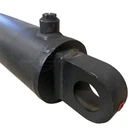
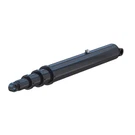
First off, let's quickly go over what multistage cylinders are. They're essentially hydraulic cylinders with multiple stages or sleeves that can extend and retract. This design allows them to achieve a longer stroke length compared to single-stage cylinders. Multistage cylinders are used in a wide range of applications, from construction equipment to agricultural machinery.
There are different types of multistage cylinders, such as Trunnion Mount Telescopic Cylinders, Pin Mount Telescopic Cylinders, and Inverted Telescopic Cylinders. Each type has its own unique features and applications, but they all share the same basic principle of multiple stages.
Regular Inspections
One of the most important things you can do to reduce maintenance costs is to conduct regular inspections of your multistage cylinders. By catching small problems early on, you can prevent them from turning into major issues that require expensive repairs or replacements.
- Visual Inspections: Start by doing a visual inspection of the cylinder. Look for any signs of damage, such as cracks, dents, or leaks. Check the seals for wear and tear, and make sure they're properly seated. Also, inspect the rod and barrel for any signs of corrosion or scoring.
- Function Tests: In addition to visual inspections, it's a good idea to perform function tests on the cylinder. Extend and retract the cylinder several times to make sure it's operating smoothly. Listen for any unusual noises or vibrations, which could indicate a problem.
Proper Lubrication
Proper lubrication is essential for the smooth operation of multistage cylinders. Lubrication helps to reduce friction between the moving parts, which in turn reduces wear and tear and extends the life of the cylinder.
- Choose the Right Lubricant: Make sure you're using the right lubricant for your specific cylinder. Different cylinders may require different types of lubricants, so check the manufacturer's recommendations.
- Lubricate Regularly: Follow the recommended lubrication schedule for your cylinder. Over-lubrication can be just as bad as under-lubrication, so make sure you're applying the right amount of lubricant.
Keep the Cylinder Clean
Keeping the cylinder clean is another important step in reducing maintenance costs. Dirt, dust, and debris can cause damage to the seals and other components of the cylinder, leading to leaks and other problems.
- Clean the Exterior: Regularly clean the exterior of the cylinder to remove any dirt or debris. You can use a mild detergent and a soft cloth to wipe down the cylinder.
- Protect the Cylinder: If the cylinder is exposed to harsh environments, such as dust, dirt, or chemicals, consider using a protective cover to keep it clean.
Train Your Operators
Proper training of your operators is crucial for the long-term performance of your multistage cylinders. Operators who are trained to use the cylinders correctly are less likely to cause damage or misuse the equipment.


- Provide Training: Make sure your operators receive proper training on how to operate and maintain the multistage cylinders. This should include instructions on how to start and stop the cylinder, how to adjust the pressure, and how to perform basic maintenance tasks.
- Follow Safety Procedures: Emphasize the importance of following safety procedures when operating the cylinders. This includes wearing the appropriate personal protective equipment (PPE) and avoiding overloading the cylinder.
Use High-Quality Components
Using high-quality components is another way to reduce maintenance costs. High-quality components are more durable and reliable, which means they're less likely to fail and require replacement.
- Choose a Reputable Supplier: When purchasing components for your multistage cylinders, make sure you're buying from a reputable supplier. Look for suppliers who have a good reputation for quality and reliability.
- Invest in Quality: While high-quality components may cost more upfront, they can save you money in the long run by reducing the frequency of repairs and replacements.
Monitor the Operating Conditions
Monitoring the operating conditions of your multistage cylinders can help you identify potential problems before they occur. By keeping an eye on factors such as temperature, pressure, and load, you can take proactive steps to prevent damage to the cylinder.
- Use Sensors: Consider using sensors to monitor the operating conditions of the cylinder. Sensors can provide real-time data on temperature, pressure, and other parameters, which can help you detect problems early on.
- Keep Records: Keep records of the operating conditions of the cylinder over time. This can help you identify trends and patterns that may indicate a potential problem.
Conclusion
Reducing the maintenance cost of multistage cylinders requires a combination of regular inspections, proper lubrication, keeping the cylinder clean, training your operators, using high-quality components, and monitoring the operating conditions. By following these tips, you can extend the life of your cylinders, reduce the frequency of repairs and replacements, and save money in the long run.
If you're in the market for multistage cylinders or have any questions about reducing maintenance costs, feel free to reach out. We're here to help you find the right solution for your needs and ensure that your cylinders perform at their best.
References
- Manufacturer's manuals for multistage cylinders
- Industry standards and best practices for hydraulic cylinder maintenance