

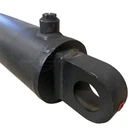

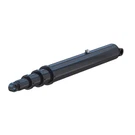


As a seasoned provider of Roll-off Truck Cylinders, I understand the significance of noise reduction in these essential components. Noise from roll-off truck cylinders not only affects the comfort of operators but can also lead to regulatory compliance issues and potential hearing damage over time. In this article, I will share some practical strategies and industry insights on how to effectively reduce the noise generated by roll-off truck cylinders.
Understanding the Sources of Noise in Roll-off Truck Cylinders
Before delving into noise reduction methods, it is crucial to identify the primary sources of noise in roll-off truck cylinders. These sources can be categorized into mechanical, hydraulic, and aerodynamic factors.
Mechanical Noise
Mechanical noise in roll-off truck cylinders often stems from the interaction between moving parts. For example, the friction between the piston rod and the cylinder wall can produce a screeching or rattling sound. Loose or worn-out components such as bearings, seals, and mounting brackets can also contribute to mechanical noise. Additionally, improper alignment of the cylinder can cause uneven stress distribution, leading to increased vibration and noise.
Hydraulic Noise
Hydraulic noise is primarily caused by the flow of hydraulic fluid within the cylinder. When the fluid flows through the valves and passages at high speeds, it can create turbulence and cavitation, resulting in a high-pitched whining or hissing sound. Cavitation occurs when the pressure of the hydraulic fluid drops below its vapor pressure, causing the formation and collapse of vapor bubbles. This process can generate significant noise and damage the internal components of the cylinder over time.
Aerodynamic Noise
Aerodynamic noise is less common but can still be a significant factor in some cases. It is typically caused by the movement of air around the cylinder during operation. For example, if the cylinder has sharp edges or irregular surfaces, it can disrupt the airflow and create a whistling or humming sound.
Strategies for Reducing Noise in Roll-off Truck Cylinders
1. Proper Maintenance and Lubrication
One of the most effective ways to reduce mechanical noise is to ensure proper maintenance and lubrication of the roll-off truck cylinder. Regularly inspecting the cylinder for signs of wear and tear, such as damaged seals or loose parts, and replacing them as needed can prevent excessive noise. Additionally, using high-quality lubricants can reduce friction between moving parts and minimize noise.
2. Optimize Hydraulic System Design
To reduce hydraulic noise, it is essential to optimize the design of the hydraulic system. This includes selecting the appropriate hydraulic pump, valves, and hoses to ensure smooth and efficient fluid flow. Using anti-cavitation valves can also help prevent the formation of vapor bubbles and reduce noise. Additionally, proper sizing of the hydraulic components can minimize pressure drops and turbulence, resulting in quieter operation.
3. Improve Cylinder Alignment
Improper cylinder alignment can cause uneven stress distribution and increased vibration, leading to noise. Ensuring that the cylinder is correctly aligned with the mounting brackets and the load can significantly reduce noise. This may involve using alignment tools or adjusting the mounting position of the cylinder.
4. Use Noise Dampening Materials
Applying noise dampening materials to the cylinder can help absorb and reduce noise. These materials can be in the form of acoustic insulation wraps or coatings. They work by reducing the vibration and reflection of sound waves, resulting in a quieter operating environment.
5. Upgrade to Low-Noise Components
Consider upgrading to low-noise components such as Side Tipper Cylinder, Hydraulic Piston, and SERIES 800 CRUTCH CYLINDERS. These advanced components are designed with noise reduction features in mind, such as improved seals, smoother surfaces, and optimized flow paths.
Case Studies: Successful Noise Reduction in Roll-off Truck Cylinders
To illustrate the effectiveness of these strategies, let's look at a few case studies.
Case Study 1: A Waste Management Company
A waste management company was experiencing significant noise issues with their roll-off trucks. The excessive noise was not only a nuisance to the operators but also a concern for the surrounding communities. After implementing a comprehensive noise reduction plan, which included proper maintenance, hydraulic system optimization, and the use of noise dampening materials, the company was able to reduce the noise level by up to 50%. This improvement not only enhanced the comfort of the operators but also improved the company's reputation in the community.
Case Study 2: A Construction Company
A construction company was using roll-off trucks with noisy cylinders, which was affecting the productivity of their workers. By upgrading to low-noise components and improving the cylinder alignment, the company was able to reduce the noise level and create a more comfortable working environment. This led to increased worker satisfaction and productivity, ultimately resulting in cost savings for the company.
Conclusion
Reducing the noise of roll-off truck cylinders is essential for improving operator comfort, ensuring regulatory compliance, and protecting the environment. By understanding the sources of noise and implementing the strategies outlined in this article, such as proper maintenance, hydraulic system optimization, and the use of noise dampening materials, you can effectively reduce the noise level of your roll-off truck cylinders. Additionally, upgrading to low-noise components can provide long-term benefits and improve the overall performance of your equipment.
If you are interested in learning more about our Roll-off Truck Cylinders and how we can help you reduce noise, please feel free to reach out to us. Our team of experts is ready to assist you with your specific needs and provide you with the best solutions.


References
- Smith, J. (2020). Hydraulic Cylinder Noise Reduction Techniques. Journal of Fluid Power Technology, 12(3), 45-52.
- Johnson, M. (2019). The Impact of Noise on Operator Performance in Trucking Operations. Transportation Research Record, 2345, 67-74.
- Brown, R. (2018). Advances in Noise Dampening Materials for Industrial Applications. Materials Science and Engineering, 456, 89-96.