

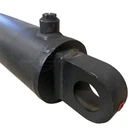



Testing the performance of a tipping ram is a crucial process to ensure its reliability, safety, and efficiency. As a tipping ram supplier, we understand the importance of delivering high - quality products that meet or exceed our customers' expectations. In this blog, we will discuss the key steps and methods for testing the performance of a tipping ram.
Initial Visual Inspection
Before conducting any performance tests, a thorough visual inspection of the tipping ram is necessary. Check for any visible signs of damage, such as cracks, dents, or scratches on the cylinder body, piston rod, and other components. Examine the seals for any signs of leakage or wear. A damaged or worn - out seal can lead to hydraulic fluid leakage, which not only reduces the efficiency of the tipping ram but also poses a safety hazard.
Hydraulic System Check
The hydraulic system is the heart of the tipping ram. Ensure that the hydraulic fluid level is within the recommended range. Low hydraulic fluid can cause cavitation, which may damage the pump and other components. Check the quality of the hydraulic fluid; it should be clean and free of contaminants. Contaminated fluid can cause abrasion and corrosion within the system.
Inspect the hydraulic hoses for any signs of wear, such as cracking or bulging. Damaged hoses can burst under pressure, leading to a sudden loss of hydraulic power. Also, check the fittings and connections for tightness. Loose fittings can result in fluid leakage and a drop in system pressure.
Pressure Testing
Pressure testing is one of the most important performance tests for a tipping ram. It helps to determine if the ram can withstand the maximum operating pressure without any leakage or failure.
To perform a pressure test, connect the tipping ram to a hydraulic test bench. Gradually increase the pressure to the rated maximum pressure of the ram and hold it for a specified period, usually 5 - 10 minutes. During this time, carefully observe the ram for any signs of leakage, such as fluid seeping from the seals or joints.
If there is any leakage, it indicates a problem with the seals, valves, or other components. The ram should be disassembled, and the faulty parts should be replaced. After the repairs, the pressure test should be repeated until the ram passes the test.
Load Testing
Load testing is used to evaluate the tipping ram's ability to lift and hold a specified load. This test is essential to ensure that the ram can perform its intended function in real - world applications.
Set up a test rig that can simulate the actual working conditions of the tipping ram. Attach a load equivalent to the maximum rated load of the ram to the ram's lifting mechanism. Activate the ram to lift the load to the maximum height and hold it for a certain period, typically 3 - 5 minutes.
Observe the ram during the lifting and holding process. Check for any signs of excessive deflection, slow movement, or instability. If the ram fails to lift the load or shows abnormal behavior, it may have a problem with its internal components, such as a worn - out piston or a damaged cylinder wall.
Speed and Stroke Testing
The speed and stroke of the tipping ram are important performance parameters. The speed of the ram affects the efficiency of the tipping operation, while the stroke determines the maximum height to which the load can be lifted.


Use a suitable measuring device, such as a linear encoder or a potentiometer, to measure the stroke of the ram. Activate the ram to its full extension and retraction, and record the measured stroke. Compare the measured stroke with the specified stroke in the ram's technical specifications.
To measure the speed of the ram, use a stopwatch or a digital timer. Record the time taken for the ram to extend and retract fully. Calculate the average speed of the ram based on the measured stroke and time. The speed should be within the acceptable range specified by the manufacturer.
Fatigue Testing
Fatigue testing is conducted to evaluate the long - term durability of the tipping ram. In real - world applications, the ram is subjected to repeated cycles of loading and unloading, which can cause fatigue failure over time.
Set up a test rig to simulate the cyclic loading conditions. The ram is repeatedly extended and retracted under a specified load for a large number of cycles, typically several thousand to tens of thousands of cycles.
During the fatigue test, monitor the ram for any signs of damage, such as cracks or deformation. Also, check the performance parameters, such as pressure, speed, and stroke, at regular intervals. If the ram shows any signs of failure or a significant change in performance during the fatigue test, it may need to be redesigned or have its materials or manufacturing process improved.
Comparison with Industry Standards
In addition to the above - mentioned tests, it is important to compare the performance of the tipping ram with relevant industry standards. Industry standards, such as ISO or ASME standards, provide guidelines for the design, manufacturing, and testing of hydraulic cylinders, including tipping rams.
Ensure that the ram meets all the requirements specified in the applicable industry standards. This not only ensures the quality and reliability of the ram but also makes it easier for customers to integrate the ram into their existing systems.
Product Recommendations
As a tipping ram supplier, we offer a wide range of tipping rams to meet different customer needs. Our Front - end Cylinder with Outer Cover provides excellent protection for the internal components, ensuring long - term durability. The Pin To Pin Telescopic Cylinders are designed for applications where a large stroke is required, and the Underbody Telescopic Cylinder is ideal for dump trucks with limited space.
Conclusion
Testing the performance of a tipping ram is a comprehensive process that involves multiple tests and inspections. By conducting these tests, we can ensure that our tipping rams are of high quality, reliable, and safe to use. If you are in the market for a tipping ram, we invite you to contact us for further information and to discuss your specific requirements. Our team of experts is ready to assist you in selecting the right tipping ram for your application.
References
- "Hydraulic Cylinder Design and Application Handbook", by an industry expert group
- ISO standards related to hydraulic cylinders
- ASME standards for mechanical components in hydraulic systems