

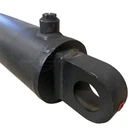



Encountering a hydraulic piston that isn't functioning correctly can be quite a headache, whether you're in an industrial setting or using hydraulic equipment for personal projects. As a seasoned hydraulic piston supplier, I've seen firsthand the diverse issues that can plague these essential components. In this blog post, I'll share some practical steps to troubleshoot a hydraulic piston that's not working properly, drawing on my years of experience and industry knowledge.
Initial Inspection
The first step in troubleshooting is a thorough visual inspection. Start by examining the entire hydraulic system, looking for obvious signs of damage or wear. Check for leaks around the piston, cylinder, and hoses. Leaking hydraulic fluid can indicate a problem with the seals, which are crucial for maintaining the pressure within the system. Look for any signs of fluid pooling or dripping, and also inspect the hoses for any cracks or bulges.
Inspect the piston rod for scratches, dents, or corrosion. A damaged piston rod can cause uneven movement and lead to premature wear on the seals and other components. If you notice any signs of damage, it's important to address them as soon as possible to prevent further issues.
Check the Hydraulic Fluid
The hydraulic fluid plays a vital role in the operation of the system. Low fluid levels can cause the piston to function erratically or not at all. Check the fluid reservoir and ensure that it's filled to the recommended level. If the fluid is low, top it up with the appropriate hydraulic fluid as specified by the equipment manufacturer.
It's also important to check the quality of the hydraulic fluid. Over time, the fluid can become contaminated with dirt, debris, or moisture, which can affect its performance. Look for any signs of discoloration, cloudiness, or a foul odor in the fluid. If the fluid appears contaminated, it should be drained and replaced with fresh fluid.
Examine the Seals
The seals in a hydraulic piston are responsible for preventing fluid leakage and maintaining the pressure within the system. Worn or damaged seals can cause a variety of problems, including leaks, reduced performance, and premature failure of the piston.
Inspect the seals for any signs of wear, such as cracks, tears, or excessive compression. If you notice any issues with the seals, they should be replaced promptly. When replacing the seals, make sure to use high-quality seals that are compatible with your hydraulic system. You can find a wide range of seals for different types of hydraulic cylinders on our website, including Cross Tube Hydraulic Cylinders and Clevis Hydraulic Cylinders.
Check the Valves
The valves in a hydraulic system control the flow of fluid and the movement of the piston. Malfunctioning valves can cause the piston to operate incorrectly or not at all. Check the valves for any signs of damage or blockage. Look for any debris or dirt that may be obstructing the valve ports or preventing the valve from opening or closing properly.
If you suspect that a valve is not working correctly, you may need to clean or replace it. Make sure to follow the manufacturer's instructions when servicing or replacing the valves to ensure proper operation.
Test the Pressure
The pressure within the hydraulic system is critical for the proper functioning of the piston. If the pressure is too low, the piston may not move at all or may move very slowly. If the pressure is too high, it can cause damage to the seals, valves, and other components.
Use a pressure gauge to measure the pressure in the hydraulic system. Compare the readings to the recommended pressure range specified by the equipment manufacturer. If the pressure is outside of the normal range, you may need to adjust the pressure relief valve or check for any restrictions in the system.


Assess the Load and Alignment
The load on the hydraulic piston and the alignment of the piston within the cylinder can also affect its performance. If the load is too heavy or unevenly distributed, it can cause the piston to stick or move erratically. Check the load to ensure that it's within the rated capacity of the hydraulic piston.
Inspect the alignment of the piston within the cylinder. Misalignment can cause excessive wear on the seals and other components, leading to premature failure. If you notice any signs of misalignment, you may need to realign the piston or check for any damage to the mounting brackets or other components.
Seek Professional Help
If you've tried all of the above steps and still can't resolve the issue, it may be time to seek professional help. A qualified hydraulic technician can perform a more in-depth diagnosis of the problem and recommend the appropriate repairs or replacements.
As a hydraulic piston supplier, we offer a wide range of products and services to help you keep your hydraulic systems running smoothly. In addition to our Cross Tube Hydraulic Cylinders and Clevis Hydraulic Cylinders, we also supply Hydraulic Crutch 80-90/102-250 and other high-quality hydraulic components. Our team of experts is available to provide technical support and assistance with troubleshooting and maintenance.
If you're experiencing problems with a hydraulic piston or need help selecting the right hydraulic components for your application, don't hesitate to contact us. We're committed to providing our customers with the best products and services in the industry, and we're ready to help you solve your hydraulic problems.
Conclusion
Troubleshooting a hydraulic piston that's not working properly requires a systematic approach and a thorough understanding of the hydraulic system. By following the steps outlined in this blog post, you can identify and resolve many common issues with hydraulic pistons. Remember to perform regular maintenance and inspections to prevent problems from occurring in the first place.
If you have any questions or need further assistance, please don't hesitate to reach out. We're here to help you keep your hydraulic systems running smoothly and efficiently.
References
- Hydraulic Systems Handbook, by John F. Watson
- Fluid Power Engineering, by Anthony Esposito
- Maintenance and Troubleshooting of Hydraulic Systems, by Michael Smith