

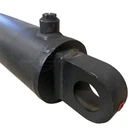



Roll - off trucks are essential in the waste management and construction industries, relying heavily on their hydraulic cylinders to perform tasks like lifting and dumping containers. However, a common issue that operators often face is cylinder leakage. As a trusted Roll - off Truck Cylinder supplier, I've encountered numerous cases of cylinder leakage and have in - depth knowledge of its common causes. In this blog, I'll share these causes to help you better understand and address this problem.
1. Seal Wear and Tear
One of the most prevalent causes of roll - off truck cylinder leakage is seal wear. Seals play a crucial role in preventing hydraulic fluid from leaking out of the cylinder. Over time, continuous movement, pressure changes, and friction can cause the seals to degrade.
The piston seal, which is responsible for separating the two chambers of the cylinder, is particularly prone to wear. When the piston moves back and forth inside the cylinder bore, it rubs against the seal. This repeated motion can cause the seal lip to become worn or damaged, allowing hydraulic fluid to bypass it and leak.
Similarly, the rod seal, which prevents fluid from leaking around the piston rod as it extends and retracts, can also wear out. Exposure to contaminants, such as dirt and dust, can accelerate the wear process. For instance, if the roll - off truck operates in a dusty construction site, particles can enter the cylinder and abrade the rod seal, leading to leakage.
As a supplier, we offer high - quality seals that are designed to withstand the harsh operating conditions of roll - off trucks. Our Cross Tube Hydraulic Cylinders are equipped with advanced sealing technologies to minimize the risk of seal wear and leakage.
2. Contamination
Contamination in the hydraulic system is another significant cause of cylinder leakage. Hydraulic fluid acts as the lifeblood of the cylinder, transmitting power and lubricating internal components. However, when contaminants enter the fluid, they can cause serious damage.
There are several sources of contamination. Externally, dirt, sand, and debris can enter the system through the piston rod. If the wiper seal, which is supposed to keep these particles out, is damaged or ineffective, contaminants can make their way into the cylinder. Internally, wear particles from components such as the piston, rod, and cylinder bore can contaminate the fluid.
These contaminants can have a detrimental effect on the seals and other internal components of the cylinder. They can scratch the cylinder bore, damaging the smooth surface that the seals rely on to create a tight seal. This, in turn, leads to fluid leakage.
At our company, we emphasize the importance of maintaining a clean hydraulic system. We provide filters and recommend regular fluid changes to prevent contamination. Our Brick Machine Hydraulic Cylinders are designed with features to resist contamination, ensuring long - term performance.
3. Overpressure
Overpressure in the hydraulic system can cause the cylinder to leak. When the pressure inside the cylinder exceeds its designed limits, it can put excessive stress on the seals and other components.
There are several reasons why overpressure may occur. A malfunctioning pressure relief valve is one common cause. If the pressure relief valve fails to open at the appropriate pressure, the pressure inside the cylinder can continue to build up, leading to potential damage. Additionally, incorrect operation of the roll - off truck, such as trying to lift a load that is too heavy for the cylinder, can also result in overpressure.
Overpressure can cause the seals to deform or even blow out, leading to significant fluid leakage. In some cases, it can also cause damage to the cylinder body, such as cracking or bulging.
As a supplier, we offer cylinders with proper pressure ratings and recommend the installation of reliable pressure relief valves. Our Side Tipper Cylinder is designed to handle specific pressure ranges, and we provide guidance on proper system design to prevent overpressure situations.
4. Cylinder Bore Damage
Damage to the cylinder bore can also lead to leakage. The cylinder bore provides a smooth surface for the piston and seals to move against. If the bore is damaged, it can compromise the sealing ability of the system.
Scoring or scratches on the cylinder bore are common forms of damage. These can be caused by contaminants in the hydraulic fluid, as mentioned earlier, or by improper handling during installation or maintenance. For example, if a sharp object comes into contact with the bore during assembly, it can create scratches that allow fluid to leak past the seals.
Corrosion is another factor that can damage the cylinder bore. If the roll - off truck is exposed to a corrosive environment, such as a salt - laden coastal area or a chemical - filled industrial site, the cylinder bore can corrode over time. Corrosion can roughen the bore surface and weaken the material, leading to leakage.


We offer cylinders with high - quality bore finishes and corrosion - resistant materials. Our manufacturing process includes strict quality control measures to ensure the integrity of the cylinder bore.
5. Improper Installation
Improper installation of the cylinder can cause leakage issues. If the cylinder is not installed correctly, it can put uneven stress on the seals and other components, leading to premature wear and leakage.
For example, if the cylinder is not aligned properly with the mounting points on the roll - off truck, it can cause the piston rod to bind. This binding can put additional stress on the seals, causing them to fail. Additionally, incorrect torque settings when tightening the mounting bolts can also lead to problems. If the bolts are not tightened evenly or to the correct specification, it can cause the cylinder to distort, affecting the seal performance.
As a supplier, we provide detailed installation instructions and offer technical support to ensure that our cylinders are installed correctly. We believe that proper installation is crucial for the long - term performance of the cylinder.
Conclusion
In conclusion, several common causes can lead to roll - off truck cylinder leakage, including seal wear and tear, contamination, overpressure, cylinder bore damage, and improper installation. By understanding these causes, operators can take proactive measures to prevent leakage and ensure the reliable operation of their roll - off trucks.
As a Roll - off Truck Cylinder supplier, we are committed to providing high - quality cylinders and solutions to address these issues. Our products are designed with advanced technologies and materials to withstand the challenging operating conditions of the industry.
If you are experiencing cylinder leakage problems or are looking to purchase high - quality roll - off truck cylinders, we invite you to contact us for a detailed discussion. Our team of experts is ready to assist you in finding the best - suited solutions for your specific needs.
References
- "Hydraulic Systems Handbook"
- "Maintenance Guide for Roll - off Trucks"
- Technical manuals from hydraulic cylinder manufacturers