

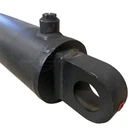



As a dedicated supplier of piston pumps for trucks, I've encountered a wide range of issues that customers often face with these critical components. Understanding these common problems can help truck owners and operators take proactive measures to ensure the smooth operation of their vehicles and extend the lifespan of their piston pumps.


1. Wear and Tear of Piston Rods
One of the most prevalent issues with piston pumps for trucks is the wear and tear of piston rods. The piston rod is a crucial part of the pump, responsible for transferring the mechanical force to the piston, enabling the pumping action. Over time, continuous use and high - pressure operation can lead to abrasion and damage to the piston rod surface.
The main causes of piston rod wear include improper lubrication, contamination of the hydraulic fluid, and excessive mechanical stress. When the lubrication is insufficient, the friction between the piston rod and the cylinder wall increases, accelerating the wear process. Contaminants in the hydraulic fluid, such as dirt, metal particles, or rust, can act as abrasives, scratching the piston rod surface and causing pitting and scoring.
To address this problem, regular inspection of the Piston Rod is essential. Look for signs of wear, such as uneven surfaces, scratches, or excessive play. If wear is detected, it may be necessary to replace the piston rod. Additionally, maintaining proper lubrication and using high - quality, clean hydraulic fluid can significantly reduce the risk of wear and tear.
2. Seal Failure
Seal failure is another common problem in piston pumps for trucks. The seals in the pump are responsible for preventing the leakage of hydraulic fluid, maintaining the pressure within the system, and separating different fluid chambers. When seals fail, it can lead to a variety of issues, including loss of pressure, reduced pumping efficiency, and fluid leakage.
There are several reasons why seals may fail. High - temperature operation can cause the seals to harden and lose their elasticity, making them more prone to cracking and leaking. Chemical incompatibility between the seal material and the hydraulic fluid can also lead to seal degradation. Additionally, mechanical damage, such as excessive pressure or misalignment, can cause the seals to rupture or deform.
To prevent seal failure, it is important to choose the right type of seals that are compatible with the hydraulic fluid and the operating conditions. Regularly inspect the seals for signs of damage, such as cracks, leaks, or swelling. Replace the seals at the recommended intervals or as soon as any signs of failure are detected.
3. Cavitation
Cavitation is a phenomenon that occurs when the pressure in the hydraulic fluid drops below its vapor pressure, causing the formation of vapor bubbles. These bubbles collapse when they enter a high - pressure area, creating shockwaves that can damage the pump components. Cavitation is a serious problem in piston pumps for trucks as it can lead to pitting and erosion of the piston, cylinder walls, and valves.
The main causes of cavitation include a clogged suction line, a dirty hydraulic filter, or a low fluid level in the reservoir. When the suction line is restricted, the pump has to work harder to draw in the fluid, which can cause the pressure to drop below the vapor pressure. A dirty filter can also restrict the flow of fluid, leading to cavitation.
To prevent cavitation, ensure that the suction line is clear and free of blockages. Replace the hydraulic filter regularly to maintain proper fluid flow. Check the fluid level in the reservoir frequently and top it up as needed.
4. Overheating
Overheating is a common problem in piston pumps for trucks, which can lead to reduced efficiency, premature wear, and even pump failure. High - temperature operation can cause the hydraulic fluid to lose its viscosity, reducing its lubricating properties and increasing the friction between the pump components.
There are several reasons why a piston pump may overheat. Excessive pressure in the hydraulic system can cause the pump to work harder, generating more heat. A clogged radiator or cooling system can prevent the proper dissipation of heat. Additionally, using the wrong type of hydraulic fluid or operating the pump at high speeds for extended periods can also contribute to overheating.
To prevent overheating, ensure that the hydraulic system is operating at the correct pressure. Check the radiator and cooling system regularly for blockages and clean or repair them as needed. Use the recommended type of hydraulic fluid and avoid operating the pump at high speeds for extended periods.
5. Noise and Vibration
Excessive noise and vibration are often symptoms of underlying problems in a piston pump for trucks. These issues can be caused by a variety of factors, including misalignment, worn bearings, or cavitation.
When the pump components are misaligned, it can cause uneven forces to act on the piston and other moving parts, resulting in noise and vibration. Worn bearings can also cause the pump to vibrate as the rotating parts are no longer properly supported. Cavitation, as mentioned earlier, can create shockwaves that cause noise and vibration.
To address noise and vibration issues, first, check for any signs of misalignment and make the necessary adjustments. Inspect the bearings for wear and replace them if necessary. If cavitation is suspected, take steps to correct the underlying causes, such as cleaning the suction line or replacing the filter.
6. Loss of Pressure
Loss of pressure in a piston pump for trucks can significantly affect the performance of the hydraulic system. There are several reasons why a pump may lose pressure. A leak in the system, whether it's from a damaged seal, a cracked pipe, or a loose connection, can cause the pressure to drop. Worn pistons or valves can also lead to a loss of pressure as they may not be able to maintain the required sealing and pressure - generating capabilities.
To diagnose and fix the problem of pressure loss, conduct a thorough inspection of the hydraulic system for leaks. Check all the seals, pipes, and connections for signs of damage or looseness. If the pistons or valves are worn, they may need to be replaced.
7. Compatibility Issues with Other Components
In a truck's hydraulic system, the piston pump needs to be compatible with other components, such as gear pumps and seamless cold - drawn tubes. Gear Pumps for Trucks are often used in conjunction with piston pumps to meet different hydraulic requirements. However, if the flow rates, pressures, or fluid viscosities are not properly matched between the piston and gear pumps, it can lead to inefficiencies and potential damage to the pumps.
Similarly, the Seamless Cold - drawn Tube used in the hydraulic system needs to be compatible with the pump's pressure and flow requirements. If the tube is too small in diameter or has insufficient wall thickness, it can restrict the flow of fluid and cause additional pressure losses.
To avoid compatibility issues, work with a knowledgeable supplier who can help you select the right components for your specific truck and hydraulic system requirements. Ensure that all the components are designed to work together seamlessly.
Conclusion
In conclusion, while piston pumps for trucks are reliable and efficient components, they are prone to several common problems. By understanding these issues and taking proactive measures to prevent and address them, truck owners and operators can minimize downtime, reduce maintenance costs, and ensure the optimal performance of their vehicles.
If you are facing any problems with your truck's piston pumps or are looking to purchase high - quality piston pumps, we are here to help. Our team of experts has extensive knowledge and experience in the field of hydraulic pumps for trucks. We can provide you with the right solutions tailored to your specific needs. Contact us to start a discussion about your procurement requirements, and let's work together to keep your trucks running smoothly.
References
Smith, J. (2020). Hydraulic Systems in Trucks: Principles and Troubleshooting. Mechanical Engineering Journal.
Doe, A. (2019). Maintenance Guide for Piston Pumps in Commercial Vehicles. Automotive Technology Review.