

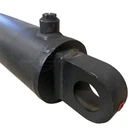



When it comes to using a side tipper cylinder in industrial applications, compatibility issues with other equipment are of paramount importance. As a side tipper cylinder supplier, I've encountered numerous scenarios where improper compatibility has led to inefficiencies, malfunctions, and even safety hazards. In this blog post, I'll delve into the various compatibility issues that can arise when using a side tipper cylinder with other equipment and provide insights on how to address them.
Hydraulic System Compatibility
One of the primary areas where compatibility issues can occur is within the hydraulic system. Side tipper cylinders rely on hydraulic power to operate, and they need to be compatible with the existing hydraulic infrastructure. This includes factors such as pressure ratings, flow rates, and fluid types.
Pressure Ratings
The pressure rating of the side tipper cylinder must match the pressure capabilities of the hydraulic pump and other components in the system. If the cylinder is rated for a lower pressure than the system can generate, it may fail prematurely, leading to leaks or even catastrophic failure. On the other hand, if the cylinder is rated for a much higher pressure than necessary, it can result in unnecessary costs and a less efficient system.
For example, if a side tipper cylinder is designed to operate at a maximum pressure of 2000 psi, but the hydraulic pump in the system can generate up to 3000 psi, the cylinder may be subjected to excessive stress, causing seals to fail and the cylinder to leak. To avoid this, it's crucial to carefully match the pressure ratings of all components in the hydraulic system.
Flow Rates
The flow rate of the hydraulic fluid also plays a significant role in the compatibility of the side tipper cylinder. The cylinder needs to receive an adequate flow of fluid to operate smoothly and efficiently. If the flow rate is too low, the cylinder may move slowly or not at all, while a flow rate that is too high can cause the cylinder to move too quickly, leading to instability and potential damage to the equipment.
To ensure proper flow rates, it's important to consider the size and design of the cylinder, as well as the capacity of the hydraulic pump and the diameter of the hydraulic hoses. A hydraulic engineer can help determine the appropriate flow rate for the specific application and select the right components to achieve it.
Fluid Types
The type of hydraulic fluid used in the system can also affect the compatibility of the side tipper cylinder. Different cylinders are designed to work with specific types of fluids, and using the wrong fluid can cause damage to the seals, corrosion, and other problems.
For instance, some cylinders are designed to work with mineral-based hydraulic fluids, while others are compatible with synthetic fluids. It's essential to consult the manufacturer's specifications to determine the appropriate fluid type for the side tipper cylinder and ensure that it is used consistently throughout the system.
Mechanical Compatibility
In addition to hydraulic system compatibility, mechanical compatibility is also crucial when using a side tipper cylinder with other equipment. This includes factors such as mounting arrangements, connection types, and load capacities.
Mounting Arrangements
The side tipper cylinder needs to be properly mounted to the equipment to ensure stable and reliable operation. Different cylinders have different mounting options, such as flange mounts, clevis mounts, or trunnion mounts. It's important to select the appropriate mounting arrangement based on the design of the equipment and the application requirements.
For example, if the side tipper cylinder is being used to tip a large container, a flange mount may provide a more secure and stable connection than a clevis mount. On the other hand, if the cylinder needs to be able to pivot or rotate, a trunnion mount may be more suitable.
Connection Types
The connection types between the side tipper cylinder and other components in the system also need to be compatible. This includes the type of hydraulic fittings, such as O-ring face seals or JIC fittings, as well as the size and thread pitch of the connections.
Using incompatible connection types can result in leaks, reduced efficiency, and potential damage to the equipment. It's important to ensure that all connections are properly sized and tightened to prevent any issues.
Load Capacities
The load capacity of the side tipper cylinder must be sufficient to handle the weight and forces exerted by the equipment it is operating. If the cylinder is overloaded, it can lead to premature wear and failure, as well as safety hazards.
Before selecting a side tipper cylinder, it's important to accurately calculate the load requirements of the application, taking into account factors such as the weight of the load, the angle of tipping, and any additional forces or vibrations. The manufacturer's specifications can provide guidance on the load capacity of the cylinder, and it's recommended to choose a cylinder with a slightly higher load capacity than the calculated requirements to ensure a safety margin.


Electrical Compatibility
In some applications, side tipper cylinders may be controlled by electrical systems, such as solenoid valves or sensors. In these cases, electrical compatibility is also a consideration.
Voltage and Current Ratings
The electrical components used to control the side tipper cylinder must be compatible with the voltage and current ratings of the system. Using components with the wrong ratings can cause damage to the electrical equipment and the cylinder, as well as pose a safety risk.
For example, if a solenoid valve is rated for 12 volts but is connected to a 24-volt power supply, it may overheat and fail. It's important to carefully match the voltage and current ratings of all electrical components in the system to ensure proper operation.
Signal Compatibility
The signals sent between the electrical components and the side tipper cylinder also need to be compatible. This includes the type of signal, such as analog or digital, as well as the signal strength and frequency.
Using incompatible signals can result in incorrect operation of the cylinder, such as not moving at all or moving in the wrong direction. It's important to ensure that the electrical components are designed to work together and that the signals are properly configured.
Addressing Compatibility Issues
To address compatibility issues when using a side tipper cylinder with other equipment, it's important to take a comprehensive approach. Here are some steps that can be taken:
Consult with the Manufacturer
The manufacturer of the side tipper cylinder is the best source of information when it comes to compatibility. They can provide detailed specifications and guidance on how to ensure proper compatibility with other equipment. It's recommended to consult with the manufacturer early in the design process to avoid any potential issues.
Conduct a System Analysis
Before installing the side tipper cylinder, it's important to conduct a thorough analysis of the entire system. This includes evaluating the hydraulic, mechanical, and electrical components to ensure that they are all compatible. A hydraulic engineer or a professional with experience in industrial equipment can help with this analysis.
Perform Testing and Validation
Once the side tipper cylinder and other equipment are installed, it's important to perform testing and validation to ensure that everything is working properly. This can include testing the hydraulic system for leaks, checking the mechanical connections for stability, and verifying the electrical signals for accuracy. Any issues that are identified during testing should be addressed immediately.
Provide Training and Support
Finally, it's important to provide training and support to the operators and maintenance personnel who will be working with the side tipper cylinder and other equipment. This can help ensure that they understand how to properly operate and maintain the equipment, as well as how to identify and address any compatibility issues that may arise.
Conclusion
Compatibility issues when using a side tipper cylinder with other equipment can have a significant impact on the performance, reliability, and safety of the system. By understanding the various factors that affect compatibility, such as hydraulic system compatibility, mechanical compatibility, and electrical compatibility, and taking the necessary steps to address them, it's possible to ensure a smooth and efficient operation of the equipment.
As a side tipper cylinder supplier, I'm committed to providing high-quality products and expert advice to help our customers avoid compatibility issues and achieve optimal performance. If you're in the market for a side tipper cylinder or have any questions about compatibility, please don't hesitate to [contact us for procurement discussions]. We'll be happy to assist you in finding the right solution for your application.
References
- "Hydraulic Systems and Components" by Peter A. Merritt
- "Industrial Hydraulics" by Frank J. Bartos
- Manufacturer's specifications for side tipper cylinders and other equipment
For more information on related products, you can visit these links: Hydraulic Crutch 80-90/102-250, Brick Machine Hydraulic Cylinders, Hydraulic Crutch.