

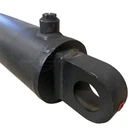



As a supplier of Dump Bed Trucks Hoist, I've seen my fair share of electrical issues in these hoists over the years. Electric hoists are a crucial component of dump bed trucks, allowing for the efficient lifting and dumping of materials. However, like any electrical system, they can run into problems. In this blog, I'll talk about some common electrical issues that can occur in an electric hoist of dump bed trucks.
1. Battery - Related Problems
One of the most basic yet critical electrical issues starts with the battery. A weak or dead battery is a frequent culprit when an electric hoist fails to operate. Batteries can lose their charge over time, especially if the truck has been sitting idle for a long period. Also, extreme temperatures can affect battery performance. In cold weather, the chemical reactions inside the battery slow down, reducing its ability to deliver power.
Another issue is battery corrosion. Corrosion on the battery terminals can prevent proper electrical contact. This means that even if the battery has a full charge, the power might not reach the hoist. You can usually spot corrosion as a white, powdery substance around the terminals. To fix this, you can clean the terminals with a mixture of baking soda and water. Just make sure to disconnect the battery first to avoid any electrical shocks.
2. Wiring Problems
Wiring is like the nervous system of the electric hoist. Any damage to the wires can disrupt the flow of electricity. Over time, wires can become frayed or damaged due to vibration, abrasion, or exposure to the elements. For example, if the wires are rubbing against a sharp edge inside the truck, they can wear down and eventually break.
Loose connections are also a common issue. Vibration from the truck's movement can cause wires to come loose from their terminals. This can lead to intermittent power supply to the hoist, making it work erratically. You might notice the hoist starting and stopping unexpectedly or not working at all. To check for wiring problems, you'll need to visually inspect the wires for any signs of damage or looseness. If you find a problem, you can either repair the wire or replace it.
3. Motor Issues
The motor is the heart of the electric hoist, and it can experience several problems. One common issue is overheating. If the motor is overloaded or if there's a problem with the ventilation, it can get too hot. Overheating can damage the motor's windings and reduce its lifespan. You might notice a burning smell or see the motor getting unusually hot to the touch. To prevent overheating, make sure the hoist is not being overloaded. Also, check that the ventilation openings are clear of any debris.
Another motor problem is a faulty capacitor. The capacitor helps the motor start and run smoothly. If the capacitor is bad, the motor might not start at all or might run very slowly. You can test the capacitor with a multimeter to see if it's working properly. If it's not, you'll need to replace it.
4. Control Switch Malfunctions
The control switch is what allows the operator to control the hoist. If the switch is not working correctly, it can be a major headache. The switch can wear out over time, especially if it's used frequently. You might find that the switch gets stuck in one position or doesn't respond when you try to operate it.
Sometimes, the problem is not with the switch itself but with the connections to the switch. Loose or corroded connections can prevent the switch from sending the right signals to the hoist. You can try cleaning the connections or tightening them to see if that fixes the problem. If the switch is completely broken, you'll need to replace it.
5. Solenoid Issues
The solenoid is an electromagnetic switch that controls the flow of high - current electricity to the motor. A faulty solenoid can prevent the motor from getting the power it needs to operate. You might hear a clicking sound when you try to operate the hoist, which could indicate a problem with the solenoid.

Solenoids can fail due to wear and tear or electrical problems. For example, if there's a short circuit in the system, it can damage the solenoid. To test the solenoid, you can use a multimeter to check for continuity. If the solenoid is bad, you'll need to replace it.
6. Controller Board Problems
Modern electric hoists often have a controller board that manages the operation of the hoist. This board can be quite complex and is vulnerable to various issues. Software glitches can cause the hoist to malfunction. For example, the hoist might not respond to commands correctly or might operate at the wrong speed.
Hardware problems on the controller board can also occur. Components on the board can fail due to overheating, power surges, or manufacturing defects. If you suspect a problem with the controller board, it's usually best to consult a professional. They have the tools and expertise to diagnose and repair the board.
7. Fuse and Circuit Breaker Issues
Fuses and circuit breakers are there to protect the electrical system from overloads. If the hoist draws too much current, the fuse will blow or the circuit breaker will trip. This is a safety feature to prevent damage to the hoist and other electrical components. However, if the fuse blows or the circuit breaker trips frequently, it could indicate a problem with the hoist, such as a short circuit or an overloaded motor.
To fix this, you'll need to first identify the cause of the overload. Once you've fixed the problem, you can replace the fuse or reset the circuit breaker. Just make sure to use the correct rating for the fuse or circuit breaker. Using the wrong one can be dangerous and might not provide the proper protection.
How to Avoid These Issues
Regular maintenance is key to avoiding electrical issues in the electric hoist. You should inspect the battery, wiring, motor, and other components on a regular basis. Keep the hoist clean and dry to prevent corrosion and damage from the elements. Also, make sure to follow the manufacturer's guidelines for operating the hoist. Don't overload it, as this can put extra stress on the electrical system.
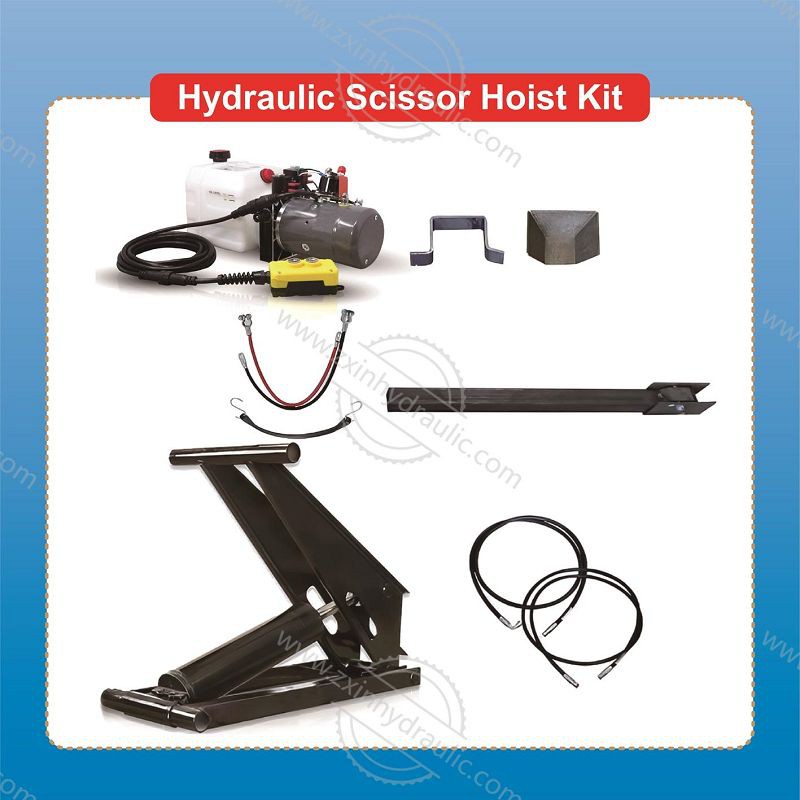
If you're in the market for a new dump bed truck hoist or need replacement parts, we've got you covered. We offer a wide range of products, including Dump Trailer Telescopic Kits, Hydraulic Scissor Hoists, and Tipper Trailer Kits. Our products are designed to be reliable and durable, so you can minimize the chances of running into electrical issues.
If you have any questions or want to discuss your specific needs, feel free to reach out. We're always happy to help you find the right solution for your dump bed truck hoist.
References
- Electrical Systems in Heavy - Duty Vehicles: A Practical Guide
- Maintenance Manuals for Dump Bed Truck Hoists