

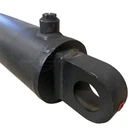



As a supplier of Side Tipper Cylinders, I've witnessed firsthand how environmental factors can significantly impact the performance, durability, and lifespan of these crucial components. Side tipper cylinders are essential in various industries, including construction, mining, and transportation, where they are responsible for the efficient tipping of loads. Understanding the environmental factors at play is vital for ensuring optimal operation and minimizing maintenance costs.
Temperature
Temperature is one of the most critical environmental factors that affect side tipper cylinders. Extreme temperatures, both hot and cold, can have detrimental effects on the cylinder's performance.
In hot environments, the hydraulic fluid used in the cylinder can experience a decrease in viscosity. This reduction in viscosity can lead to increased internal leakage within the cylinder, reducing its efficiency and potentially causing a loss of power. Additionally, high temperatures can cause seals to degrade more quickly, leading to leaks and potential system failures. The metal components of the cylinder can also expand under extreme heat, which may result in misalignment and increased wear on moving parts.
On the other hand, cold temperatures can cause the hydraulic fluid to thicken, increasing its viscosity. This thickening can make it difficult for the fluid to flow through the system, leading to slower cylinder operation and increased energy consumption. In severe cases, the fluid may become too thick to flow at all, causing the cylinder to seize up. Cold temperatures can also make seals more brittle, increasing the risk of cracking and leakage.
To mitigate the effects of temperature on side tipper cylinders, it's essential to use hydraulic fluids specifically formulated for the expected temperature range. Regular maintenance and inspection of seals and fluid levels are also crucial to ensure optimal performance.
Humidity and Moisture
Humidity and moisture can pose significant challenges to side tipper cylinders, particularly in outdoor environments. Exposure to high levels of humidity can lead to corrosion of the cylinder's metal components, such as the piston rod and cylinder barrel. Corrosion can weaken the structure of the cylinder, leading to premature failure and potentially dangerous situations.


Moisture can also contaminate the hydraulic fluid, causing a decrease in its lubricating properties and increasing the risk of wear on moving parts. In addition, moisture can promote the growth of bacteria and fungi in the hydraulic system, which can further degrade the fluid and cause damage to the cylinder.
To protect side tipper cylinders from humidity and moisture, it's important to ensure proper sealing and corrosion protection. This may include using coatings or seals that are resistant to moisture and corrosion. Regular inspection and maintenance of the cylinder's exterior and hydraulic system can also help to detect and address any issues early on.
Dust and Particulate Matter
In industries such as construction and mining, side tipper cylinders are often exposed to high levels of dust and particulate matter. These particles can enter the hydraulic system through small openings or gaps in the seals, causing damage to the internal components of the cylinder.
Dust and particulate matter can act as abrasives, wearing down the piston rod, cylinder bore, and other moving parts. This wear can lead to increased friction, reduced efficiency, and potentially catastrophic failure of the cylinder. In addition, the accumulation of dust and debris on the outside of the cylinder can also impede its operation, causing it to stick or malfunction.
To prevent dust and particulate matter from entering the hydraulic system, it's important to use high-quality seals and filters. Regular cleaning and maintenance of the cylinder and its surroundings can also help to reduce the amount of dust and debris that comes into contact with the cylinder.
Chemical Exposure
Side tipper cylinders may also be exposed to various chemicals in certain industries. For example, in the chemical manufacturing industry or in applications where the cylinder is used to transport or handle chemicals, exposure to corrosive substances can cause significant damage to the cylinder.
Chemicals can react with the metal components of the cylinder, causing corrosion, pitting, and weakening of the structure. They can also damage the seals and other rubber components, leading to leaks and system failures. In addition, some chemicals may be incompatible with the hydraulic fluid, causing it to degrade or lose its lubricating properties.
When operating in environments where chemical exposure is a concern, it's crucial to select cylinders and hydraulic fluids that are resistant to the specific chemicals involved. Proper protective measures, such as using chemical-resistant coatings or enclosures, can also help to minimize the risk of damage to the cylinder.
Vibration and Shock
In applications where side tipper cylinders are subjected to frequent vibration and shock, such as in heavy machinery or vehicles, these forces can have a significant impact on the cylinder's performance and durability.
Vibration can cause the internal components of the cylinder to loosen or become misaligned, leading to increased wear and potential failure. It can also cause fatigue in the metal components, reducing their strength and lifespan. Shock loads, such as those experienced during sudden stops or impacts, can cause excessive stress on the cylinder, potentially leading to cracks or other structural damage.
To withstand vibration and shock, side tipper cylinders should be designed and manufactured to meet high standards of durability and reliability. This may include using robust mounting systems, shock absorbers, and vibration-damping materials. Regular inspection and maintenance can also help to detect and address any issues related to vibration and shock before they cause significant damage.
Our Product Solutions
At our company, we understand the importance of environmental factors in the performance of side tipper cylinders. That's why we offer a range of high-quality products designed to withstand the most challenging environments.
Our Hydraulic Crutch 65 - 70/80 - 250 is engineered with advanced materials and precision manufacturing techniques to ensure optimal performance in a wide range of temperatures, humidity levels, and dust conditions. It features high-quality seals and corrosion-resistant coatings to protect against moisture and chemical exposure.
The Cross Tube Hydraulic Cylinders are designed to provide reliable operation even in the most demanding applications. Their robust construction and innovative design make them highly resistant to vibration and shock, ensuring long-term durability and performance.
Our Double Acting Hydraulic Cylinder offers superior control and efficiency, making it an ideal choice for side tipper applications. It is built to withstand extreme environmental conditions and is backed by our commitment to quality and customer satisfaction.
Contact Us for Your Side Tipper Cylinder Needs
If you're looking for high-quality side tipper cylinders that can withstand the environmental challenges in your industry, look no further. Our team of experts is ready to work with you to understand your specific requirements and provide the best solution for your application. Whether you need a standard cylinder or a custom-designed solution, we have the expertise and resources to meet your needs.
Don't let environmental factors compromise the performance of your side tipper cylinders. Contact us today to discuss your project and get started on the path to reliable, efficient operation.
References
- "Hydraulic Cylinder Technology," Industrial Press.
- "Environmental Effects on Mechanical Components," ASME Publications.