

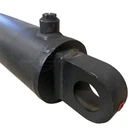



As a supplier of dump trailer hoists, I've witnessed firsthand the widespread use and growing demand for these essential pieces of equipment in various industries. From construction and mining to waste management and agriculture, dump trailer hoists play a crucial role in efficiently unloading materials. However, like any technology, they come with environmental implications that are important to understand and address. In this blog post, I'll explore the environmental impacts of using a dump trailer hoist and discuss some ways we can mitigate these effects.
Energy Consumption
One of the primary environmental impacts of dump trailer hoists is their energy consumption. Most hoists are powered by hydraulic systems, which require energy to operate. The energy source can vary, but it's often diesel fuel or electricity. Diesel-powered hoists, in particular, can contribute to air pollution by emitting harmful pollutants such as particulate matter, nitrogen oxides (NOx), and carbon monoxide (CO). These pollutants can have significant health effects on humans, including respiratory problems, heart disease, and cancer.
Electric hoists, on the other hand, are generally considered to be more environmentally friendly than diesel-powered ones. They produce zero emissions at the point of use, which means they don't contribute to local air pollution. However, the environmental impact of electric hoists depends on the source of the electricity used to power them. If the electricity is generated from fossil fuels, such as coal or natural gas, then the overall environmental impact may still be significant. To minimize the environmental impact of electric hoists, it's important to use electricity from renewable sources, such as solar, wind, or hydro power.
Noise Pollution
Another environmental impact of dump trailer hoists is noise pollution. Hydraulic hoists can produce a significant amount of noise when they operate, which can be a nuisance to nearby residents and wildlife. The noise level can vary depending on the type and size of the hoist, as well as the operating conditions. For example, a large, heavy-duty hoist operating at full capacity will typically produce more noise than a smaller, lighter-duty hoist operating at a lower capacity.
To reduce the noise pollution caused by dump trailer hoists, manufacturers are developing quieter hoist designs. These designs may include features such as noise-reducing hydraulic pumps, insulated enclosures, and vibration-dampening materials. In addition, operators can take steps to reduce noise pollution by using the hoist at a lower capacity when possible, avoiding unnecessary operation, and maintaining the hoist properly to ensure it's operating efficiently.
Waste Generation
Dump trailer hoists are used to unload a variety of materials, including construction debris, waste, and agricultural products. During the unloading process, some of these materials may be spilled or scattered, which can lead to waste generation and environmental pollution. For example, if construction debris is spilled on the ground, it can contaminate soil and water sources. If waste is spilled in a landfill, it can contribute to the release of greenhouse gases, such as methane, which is a potent contributor to climate change.
To minimize waste generation and environmental pollution, it's important to use dump trailer hoists properly and to follow best practices for material handling. This may include using appropriate containment measures, such as tarps or barriers, to prevent spills and scatter. In addition, operators should ensure that the materials being unloaded are properly sorted and disposed of in accordance with local regulations.
Mitigating the Environmental Impacts
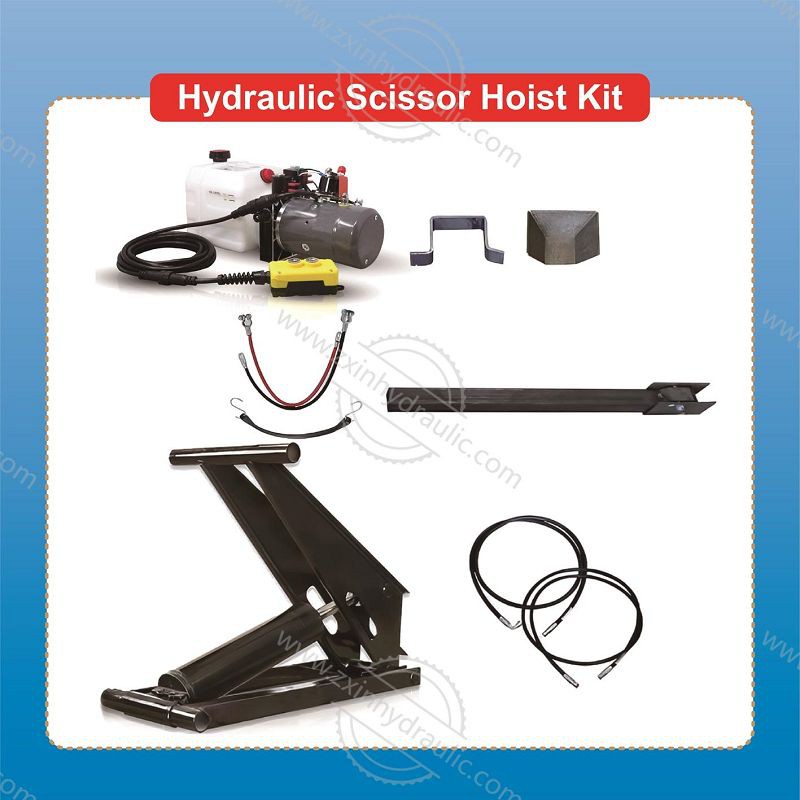
As a supplier of dump trailer hoists, we're committed to minimizing the environmental impacts of our products. We offer a range of hoist options that are designed to be more energy-efficient, quieter, and environmentally friendly. For example, our Hydraulic Scissor Hoists are designed to use less energy than traditional hoists, while our Tipper Trailer Kits are engineered to be quieter and more efficient.
In addition to offering environmentally friendly hoist options, we also provide our customers with training and support to help them use our products in a way that minimizes their environmental impact. This may include training on proper material handling techniques, maintenance procedures, and energy-saving strategies. We also work closely with our customers to understand their specific needs and to recommend the most appropriate hoist solution for their application.
Conclusion
In conclusion, while dump trailer hoists are essential for many industries, they do come with environmental implications that need to be addressed. By understanding these impacts and taking steps to mitigate them, we can minimize the environmental footprint of dump trailer hoists and ensure that they continue to be a valuable tool for years to come.
If you're in the market for a dump trailer hoist, we encourage you to consider our range of environmentally friendly options. Our Dump Trailer Telescopic Kits are designed to provide reliable, efficient performance while minimizing the environmental impact. Contact us today to learn more about our products and to discuss your specific needs. We look forward to working with you to find the best hoist solution for your application.

References
- American Society of Mechanical Engineers (ASME). (2019). Safety Standard for Cableway, Funicular, and Related Equipment.
- International Organization for Standardization (ISO). (2018). Hydraulic Fluid Power - General Rules and Safety Requirements for Systems and Their Components.
- U.S. Environmental Protection Agency (EPA). (2021). Air Quality Index (AQI): What You Need to Know.
- U.S. Occupational Safety and Health Administration (OSHA). (2019). Noise Exposure in the Workplace.