

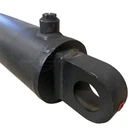

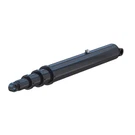


Hey there! As a supplier of Dump Bed Trucks Hoist, I've seen my fair share of heat-related problems with these hoists. In this blog, I'll break down what these issues are, why they happen, and how you can deal with them.
Heat Generation in Dump Bed Trucks Hoist
First off, let's talk about why heat is generated in the first place. When a dump bed truck hoist is in operation, there's a whole lot of mechanical work going on. The hydraulic system, which is the heart of the hoist, pumps fluid to lift and lower the dump bed. This pumping action creates friction between the moving parts of the hydraulic pump, valves, and cylinders. Friction, as we all know from basic physics, generates heat.
Another source of heat is the power transmission. The engine of the truck powers the hydraulic pump, and during this power transfer, some energy is lost as heat. This is due to inefficiencies in the mechanical and hydraulic systems. Plus, if the hoist is used continuously for long periods, like in a busy construction site or a mining operation, the heat buildup can be significant.
Common Heat-Related Problems
Hydraulic Fluid Breakdown
One of the most common heat-related problems is the breakdown of hydraulic fluid. Hydraulic fluid is like the lifeblood of the dump bed truck hoist. It transfers power, lubricates the moving parts, and helps in dissipating heat. But when the fluid gets too hot, its chemical properties start to change.
High temperatures can cause the fluid to oxidize, which means it reacts with oxygen in the air. Oxidation leads to the formation of sludge and varnish. These deposits can clog the small passages in the hydraulic valves and cylinders, reducing the efficiency of the hoist. The hoist may start to operate sluggishly, and in severe cases, it may even fail to lift the dump bed properly.
Seal Damage
Seals are used in the hydraulic system to prevent fluid leakage. They are made of rubber or other elastomeric materials, which are sensitive to heat. When the temperature rises, the seals can expand and lose their elasticity. This can lead to leaks, as the seals are no longer able to maintain a tight seal between the moving parts.
Fluid leaks not only create a mess but also reduce the pressure in the hydraulic system. As a result, the hoist may not be able to generate enough force to lift the dump bed. Moreover, if the fluid leaks onto hot engine parts or other components, it can pose a fire hazard.
Component Wear and Tear
Excessive heat can accelerate the wear and tear of the moving parts in the hoist. The increased temperature softens the metal surfaces, making them more prone to abrasion. For example, the pistons in the hydraulic cylinders may start to wear out faster, leading to reduced precision in the movement of the dump bed.
The bearings in the hoist also suffer from the heat. High temperatures can cause the lubricant in the bearings to break down, leading to metal-to-metal contact. This can result in premature bearing failure, which can be a costly repair.
Factors Contributing to Heat Buildup
Overloading
One of the main factors that contribute to heat buildup is overloading. If the dump bed is loaded beyond its rated capacity, the hoist has to work much harder to lift it. This increased workload leads to more friction and heat generation in the hydraulic system.
For example, if a dump bed truck is rated to carry 10 tons but is loaded with 15 tons, the hydraulic pump has to pump more fluid at a higher pressure to lift the bed. This extra stress on the system can cause the temperature to rise rapidly.
Poor Ventilation
Proper ventilation is crucial for dissipating the heat generated by the hoist. If the hoist is installed in an enclosed space with poor air circulation, the heat has nowhere to go. This can cause the temperature to build up inside the hydraulic system.
In some cases, the ventilation openings may be blocked by dirt, debris, or even snow. This restricts the airflow and prevents the heat from being carried away. As a result, the components of the hoist are exposed to higher temperatures for longer periods.
Inadequate Hydraulic Fluid Capacity
The amount of hydraulic fluid in the system also plays a role in heat management. If the hydraulic reservoir is too small, the fluid may not be able to absorb and dissipate the heat effectively. A larger reservoir provides more fluid volume, which can act as a heat sink and help in keeping the temperature under control.
Solutions to Heat-Related Problems
Regular Maintenance
Regular maintenance is key to preventing and solving heat-related problems. This includes checking the hydraulic fluid level and quality regularly. The fluid should be changed at the recommended intervals to ensure that it remains clean and free from contaminants.
Inspecting the seals for signs of wear and damage is also important. Any damaged seals should be replaced immediately to prevent fluid leaks. Additionally, the moving parts of the hoist should be lubricated regularly to reduce friction and heat generation.


Cooling Systems
Installing a cooling system can be an effective way to manage the heat. There are different types of cooling systems available, such as air-cooled and water-cooled radiators. These radiators are designed to transfer the heat from the hydraulic fluid to the surrounding air or water.
An air-cooled radiator uses a fan to blow air over the fins of the radiator, which helps in dissipating the heat. A water-cooled radiator, on the other hand, uses water to absorb the heat from the fluid. The water is then circulated through a separate cooling system, such as a radiator in the engine compartment.
Load Management
To prevent overloading, it's important to follow the manufacturer's guidelines regarding the maximum load capacity of the dump bed truck. Operators should be trained to properly estimate the weight of the load and avoid overloading the vehicle.
In addition, it's a good idea to take breaks during long periods of operation. Allowing the hoist to cool down between lifts can help in reducing the heat buildup.
Conclusion
Heat-related problems can be a real headache for owners and operators of dump bed trucks. But by understanding the causes and taking proactive measures, these issues can be minimized. As a Dump Bed Trucks Hoist supplier, I'm here to help you keep your hoist running smoothly.
If you're experiencing any heat-related problems with your dump bed truck hoist or if you're looking for high-quality hoists, Dump Trailer Telescopic Kits, or Tipper Trailer Kits, don't hesitate to reach out. We can provide you with the right solutions and advice to ensure the optimal performance of your equipment. Let's work together to keep your dump bed trucks in top shape!
References
- "Hydraulic Systems Handbook" by John F. Doner
- "Dump Truck Maintenance Guide" by Industry Publications Inc.
- "Thermal Management in Heavy Equipment" by Research Institute for Heavy Machinery