

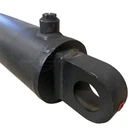



Hey there! As a supplier of Compactor Cylinders, I know how crucial it is to ensure these components are in top - notch condition before use. In this blog, I'm gonna walk you through the key inspection items for compactor cylinders.
1. Visual Inspection
First off, a good old - fashioned visual check is a must. You gotta look for any obvious signs of damage on the cylinder body. Check for dents, scratches, or cracks. Even a small scratch can lead to bigger problems down the road, like fluid leaks or reduced cylinder performance.
Take a close look at the surface finish. A smooth surface is ideal. If you notice any rough patches or uneven areas, it could be a sign of wear or improper manufacturing. Also, inspect the cylinder's ends. Make sure the mounting points are intact and not bent or distorted. Any issues with the mounting points can cause misalignment during installation, which will put extra stress on the cylinder and other components.
2. Seal Inspection
The seals in a compactor cylinder are like the guardians of its hydraulic system. They prevent hydraulic fluid from leaking out and contaminants from getting in. So, you need to give them a thorough inspection.
Start by looking for any signs of leakage around the seals. A tell - tale sign is the presence of hydraulic fluid on the outside of the cylinder. If you see fluid, it could mean the seals are damaged or worn out. Check the seal lips for cuts, nicks, or excessive wear. Over time, the constant movement of the piston rod can cause the seals to degrade.
Another thing to check is the seal material. Different applications may require different seal materials. For example, in high - temperature environments, you need seals that can withstand the heat. Make sure the seals installed in your compactor cylinder are appropriate for the operating conditions. If you're interested in learning more about our Packer Cylinder, which also has important seal components, you can click Packer Cylinder.
3. Piston Rod Inspection
The piston rod is a critical part of the compactor cylinder. It's responsible for transferring the hydraulic force to perform the compaction task.
Inspect the piston rod for straightness. A bent piston rod can cause uneven wear on the seals and other internal components. You can use a straightedge to check if the rod is straight. Also, look for any signs of corrosion on the piston rod. Corrosion can weaken the rod and lead to failure.
Check the surface finish of the piston rod. It should be smooth and free of any pits or grooves. These imperfections can damage the seals and cause fluid leakage. If you notice any damage to the piston rod, it's important to address it immediately. Otherwise, it can lead to costly repairs or even replacement of the entire cylinder.
4. Hydraulic Fluid Inspection
The hydraulic fluid in the compactor cylinder is like the lifeblood of the system. It provides the power to move the piston rod. So, you need to check its quality.
First, check the fluid level. The fluid level should be within the recommended range. If the level is too low, it can cause cavitation, which is when air bubbles form in the fluid and can damage the hydraulic components. If the level is too high, it can cause excessive pressure in the system.
Inspect the color and clarity of the hydraulic fluid. Clean hydraulic fluid is usually clear and has a light color. If the fluid is dark, cloudy, or has a milky appearance, it could be contaminated. Contaminated fluid can cause wear on the internal components of the cylinder and reduce its efficiency.
Check the fluid for any signs of debris or particles. You can do this by using a magnet to attract any metal particles in the fluid. If you find a significant amount of debris, it's a sign that there may be internal wear in the cylinder or other parts of the hydraulic system. If you want to know more about our Compactor Cylinders and their hydraulic systems, click the link.
5. Mounting and Alignment
Proper mounting and alignment of the compactor cylinder are essential for its smooth operation.
Check the mounting bolts to make sure they are tightened to the correct torque. Loose mounting bolts can cause the cylinder to move during operation, which can lead to misalignment and premature wear. Also, inspect the mounting brackets for any signs of damage or deformation.
Alignment is crucial. The cylinder should be aligned correctly with the load it's driving. Misalignment can cause uneven stress on the cylinder and other components, leading to reduced performance and increased wear. You can use alignment tools to ensure the cylinder is properly aligned.
6. Pressure Testing
Pressure testing is an important step to ensure the integrity of the compactor cylinder.
Before using the cylinder, it should be pressure - tested to the recommended working pressure. This test helps to identify any potential leaks or weaknesses in the cylinder. During the pressure test, monitor the pressure gauge to make sure the pressure remains stable. If the pressure drops suddenly, it could indicate a leak in the system.
You also need to check for any signs of bulging or deformation in the cylinder body during the pressure test. A bulging cylinder body is a serious issue and indicates that the cylinder may not be able to withstand the operating pressure.
7. Function Testing
Finally, you need to perform a function test on the compactor cylinder.
Operate the cylinder through its full range of motion. Make sure it moves smoothly without any jerks or hesitations. Listen for any unusual noises, such as rattling or grinding. Unusual noises can be a sign of internal damage or misalignment.
Check the speed and force of the cylinder's movement. The cylinder should be able to perform its compaction task with the required speed and force. If you notice any issues with the function of the cylinder, it's important to troubleshoot and fix them before putting the cylinder into service.
If you're also interested in our Dump Cylinder, which has similar inspection requirements, click the link to learn more.
In conclusion, inspecting compactor cylinders before use is a crucial step to ensure their reliable performance and longevity. By following these inspection items, you can identify and address any potential issues early on, saving you time and money in the long run.


If you're in the market for high - quality compactor cylinders or have any questions about our products, don't hesitate to reach out. We're here to help you with all your compactor cylinder needs and can offer you professional advice on product selection and maintenance.
References:
- Industry standards for hydraulic cylinder inspection and maintenance
- Manufacturer's guidelines for compactor cylinder operation and inspection