

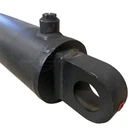



Hey there! As a supplier of Packer Cylinders, I've seen firsthand how these components play a crucial role in robotic systems. In this blog, I'll break down the integration requirements for a Packer Cylinder in a robotic setup.

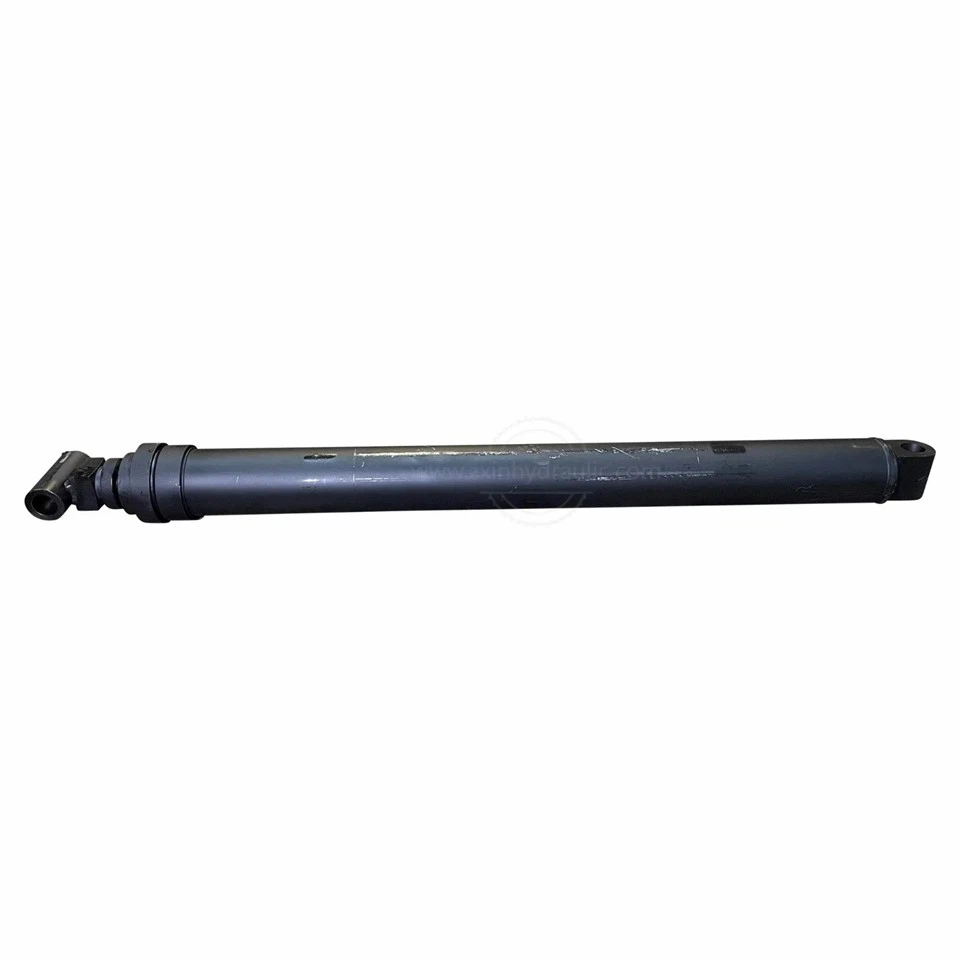
Compatibility with Robotic Arm
First off, the Packer Cylinder needs to be compatible with the robotic arm it's going to be attached to. This means looking at things like the mounting points. The cylinder has to fit snugly onto the arm, and the holes for bolts or other fasteners should align perfectly. If the mounting isn't right, it can lead to all sorts of problems, like the cylinder vibrating loose during operation or not being able to move in the way it's supposed to.
Another aspect of compatibility is the range of motion. The robotic arm has its own set of movements, and the Packer Cylinder needs to be able to work within that range. It should be able to extend and retract at the right times and angles to support the arm's tasks. For example, if the arm is designed to pick up and place objects in a specific pattern, the cylinder should be able to provide the necessary force and movement to make that happen smoothly.
Power Requirements
Power is a big deal when it comes to integrating a Packer Cylinder into a robotic system. These cylinders usually run on hydraulic or pneumatic power. If it's a hydraulic system, you need to make sure the power source can supply enough pressure and flow to operate the cylinder effectively. A weak power supply can result in slow or incomplete movements, which can mess up the whole robotic process.
On the other hand, if it's a pneumatic system, the air compressor needs to be sized correctly. It should be able to generate enough air pressure to drive the cylinder and keep up with the demands of the robotic tasks. You also need to consider the power consumption of the cylinder. A high - power cylinder can drain the system quickly, so it's important to find a balance between performance and energy efficiency.
Control System Integration
The control system is like the brain of the robotic system, and the Packer Cylinder needs to be in sync with it. There are different ways to control a cylinder, such as using programmable logic controllers (PLCs) or servo controllers. The control signals sent from the main system to the cylinder need to be accurate and timely.
For instance, if the robotic system is programmed to perform a series of repetitive tasks, the control system should be able to tell the Packer Cylinder exactly when to start and stop, how fast to move, and how much force to apply. This requires proper calibration and testing to ensure that the cylinder responds correctly to the control signals.
Sensor Integration
Sensors are essential for monitoring the operation of the Packer Cylinder in a robotic system. Position sensors can tell you where the cylinder is in its stroke, which is crucial for tasks that require precise positioning. For example, if the robot is assembling parts, the position sensor on the cylinder can make sure that the part is placed in the right spot every time.
Force sensors are also important. They can measure the amount of force the cylinder is applying, which helps in preventing over - force situations that could damage the objects being handled or the cylinder itself. Temperature sensors can monitor the heat generated during operation, as excessive heat can affect the performance and lifespan of the cylinder.
Safety Considerations
Safety is always a top priority in any robotic system. When integrating a Packer Cylinder, you need to have safety features in place. For example, there should be emergency stop buttons that can immediately halt the operation of the cylinder in case of an accident or malfunction.
Pressure relief valves are also necessary for hydraulic cylinders. They prevent the pressure from getting too high, which could cause the cylinder to burst or damage other components in the system. Additionally, guards and shields should be installed around the cylinder to protect operators from moving parts.
Maintenance and Serviceability
A well - integrated Packer Cylinder should be easy to maintain and service. This means having access to all the important parts, such as seals, pistons, and valves. The design of the cylinder should allow for quick and easy replacement of worn - out components.
Regular maintenance is crucial to keep the cylinder in good working condition. You need to check for leaks, clean the components, and lubricate moving parts as needed. A service - friendly design can save a lot of time and money in the long run.
Real - World Applications
Let's take a look at some real - world applications where Packer Cylinders are used in robotic systems. In waste management, Ejector Cylinders are often used in robotic garbage trucks. These cylinders help in ejecting the waste from the truck's container. The integration requirements here are similar to what we've discussed earlier, such as compatibility with the robotic arm that controls the ejection process, proper power supply, and accurate control system integration.
In the manufacturing industry, Compactor Cylinders are used in robotic systems for compacting materials. The cylinder needs to be able to apply a high amount of force in a controlled manner to compress the materials effectively. Sensor integration is also important here to monitor the compaction process and ensure that the right amount of force is being applied.
Another example is the use of Tailgate Lift Cylinder in robotic waste collection vehicles. These cylinders are responsible for lifting and lowering the tailgate. They need to be integrated with the robotic system to work in harmony with other components, such as the robotic arm that loads the waste into the truck.
Conclusion
Integrating a Packer Cylinder into a robotic system is a complex but achievable task. It requires careful consideration of compatibility, power requirements, control system integration, sensor integration, safety, and maintenance. By meeting these integration requirements, you can ensure that the cylinder performs its tasks effectively and contributes to the overall success of the robotic system.
If you're in the market for high - quality Packer Cylinders and need help with integration, don't hesitate to reach out. We're here to assist you in finding the right solution for your robotic system. Whether you're in waste management, manufacturing, or any other industry that uses robotic systems, we can provide the expertise and products you need. Contact us to start a conversation about your specific requirements and let's work together to make your robotic system even better.
References
- "Robotics Handbook"
- "Hydraulic and Pneumatic Systems for Industrial Applications"
- Industry whitepapers on robotic system integration