




A hydraulic piston system is a crucial component in various industrial and mechanical applications. As a leading Hydraulic Piston supplier, I've witnessed firsthand the significance and complexity of these systems. In this blog, I'll delve into the main components of a hydraulic piston system, exploring their functions and how they work together to ensure efficient operation.
1. Hydraulic Cylinder
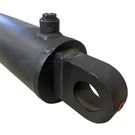
The hydraulic cylinder is the heart of the hydraulic piston system. It converts hydraulic energy into mechanical energy, producing linear motion. The cylinder consists of a barrel, a piston, and a rod. The barrel is a cylindrical tube where the piston moves. The piston divides the cylinder into two chambers: the rod side and the cap side. When hydraulic fluid is pumped into one of these chambers, it creates pressure, forcing the piston to move in a specific direction.

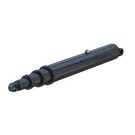
There are different types of hydraulic cylinders available, each designed for specific applications. For example, Roll-off Truck Cylinder is commonly used in roll-off trucks to lift and dump waste containers. These cylinders are built to withstand high loads and frequent use. Brick Machine Hydraulic Cylinders are specifically designed for brick-making machines, providing the necessary force to shape and compress bricks. And Double Acting Hydraulic Cylinder can generate force in both directions, making them suitable for applications that require precise control and bidirectional movement.
2. Hydraulic Pump
The hydraulic pump is responsible for creating the flow and pressure of the hydraulic fluid in the system. It draws fluid from a reservoir and pumps it into the hydraulic circuit. There are several types of hydraulic pumps, including gear pumps, vane pumps, and piston pumps.

Gear pumps are the simplest and most common type of hydraulic pump. They consist of two meshing gears that rotate in opposite directions, creating a vacuum that draws fluid into the pump and then forces it out under pressure. Vane pumps use vanes that slide in and out of slots in a rotor to create the pumping action. Piston pumps, on the other hand, are more complex and efficient. They use pistons that move back and forth in cylinders to generate high pressure.
The choice of hydraulic pump depends on the specific requirements of the hydraulic piston system, such as the required flow rate, pressure, and efficiency.
3. Hydraulic Fluid
Hydraulic fluid is the medium through which power is transmitted in the hydraulic piston system. It serves several important functions, including lubrication, heat transfer, and sealing. The most commonly used hydraulic fluid is mineral oil, which has good lubricating properties and is relatively inexpensive. However, there are also other types of hydraulic fluids available, such as synthetic oils, water-glycol mixtures, and phosphate esters, each with its own advantages and disadvantages.
The quality and properties of the hydraulic fluid are crucial for the proper operation of the system. It should have the right viscosity, which determines its flow characteristics and ability to transfer power. It should also have good oxidation resistance, anti-wear properties, and low foaming tendency. Regular maintenance and fluid replacement are necessary to ensure the longevity and performance of the hydraulic piston system.
4. Valves
Valves play a vital role in controlling the flow and pressure of the hydraulic fluid in the system. There are several types of valves used in hydraulic piston systems, including directional control valves, pressure control valves, and flow control valves.

Directional control valves are used to control the direction of the fluid flow in the system. They can be manually operated, solenoid-operated, or pilot-operated. Pressure control valves, on the other hand, are used to regulate the pressure in the system. They can be set to a specific pressure limit and will open or close to maintain the desired pressure. Flow control valves are used to control the flow rate of the fluid in the system, allowing for precise control of the speed and movement of the hydraulic cylinder.
5. Reservoir
The reservoir is a container that stores the hydraulic fluid in the system. It provides a supply of fluid for the pump and also allows for the separation of air and contaminants from the fluid. The reservoir should be large enough to hold an adequate amount of fluid to meet the requirements of the system. It should also be designed to prevent the accumulation of air and contaminants, which can cause damage to the system.
The reservoir is usually equipped with a filter to remove any dirt or debris from the fluid before it enters the pump. It may also have a sight glass or level indicator to allow for easy monitoring of the fluid level.
6. Filters
Filters are essential components in a hydraulic piston system. They are used to remove contaminants from the hydraulic fluid, such as dirt, metal particles, and water. Contaminants can cause wear and damage to the components of the system, leading to reduced performance and increased maintenance costs.
There are different types of filters used in hydraulic systems, including suction filters, pressure filters, and return filters. Suction filters are located at the inlet of the pump and are designed to prevent large particles from entering the pump. Pressure filters are located in the high-pressure side of the system and are used to remove smaller particles from the fluid. Return filters are located in the return line of the system and are used to remove contaminants from the fluid before it returns to the reservoir.
7. Seals and Gaskets
Seals and gaskets are used to prevent the leakage of hydraulic fluid from the system. They are made of various materials, such as rubber, plastic, and metal, and are designed to withstand the high pressures and temperatures in the system.
There are different types of seals used in hydraulic piston systems, including O-rings, lip seals, and piston seals. O-rings are the most common type of seal and are used to seal the joints between components. Lip seals are used to seal the rod and piston of the hydraulic cylinder, preventing the leakage of fluid. Piston seals are used to seal the piston in the cylinder, ensuring efficient operation of the system.
How the Components Work Together
All the components of a hydraulic piston system work together in a coordinated manner to achieve the desired functionality. The hydraulic pump draws fluid from the reservoir and pumps it into the hydraulic circuit at a high pressure. The directional control valve then directs the fluid to the appropriate chamber of the hydraulic cylinder, causing the piston to move. The pressure control valve ensures that the pressure in the system remains within the safe operating range, while the flow control valve regulates the speed of the piston movement.
The hydraulic fluid circulates through the system, lubricating the components and transferring heat. The filters remove any contaminants from the fluid, ensuring its cleanliness and preventing damage to the system. The seals and gaskets prevent the leakage of fluid, maintaining the integrity of the system.
Conclusion
In conclusion, a hydraulic piston system is a complex and sophisticated piece of equipment that consists of several key components. Each component plays a crucial role in the operation of the system, and their proper functioning is essential for the overall performance and reliability of the system.
As a Hydraulic Piston supplier, we understand the importance of providing high-quality components that meet the specific requirements of our customers. Whether you need a Roll-off Truck Cylinder, Brick Machine Hydraulic Cylinders, or Double Acting Hydraulic Cylinder, we have the expertise and experience to provide you with the right solution.
If you're interested in learning more about our products or have any questions about hydraulic piston systems, please don't hesitate to contact us. We're here to help you with your procurement needs and ensure that you get the best possible solution for your application.

References
- "Hydraulic Systems and Components" by Eugene F. Oberg
- "Fluid Power Engineering" by William Nash
- "Hydraulic Cylinders: Design, Selection, and Installation" by Rexroth Bosch Group