




As a supplier of Packer Cylinders, I often receive inquiries from customers about various aspects of our products. One question that comes up quite frequently is about the noise levels of a Packer Cylinder during operation. In this blog post, I'll delve into this topic, exploring the factors that influence noise, how to measure it, and what we're doing to keep noise to a minimum.
Understanding the Basics of Packer Cylinders
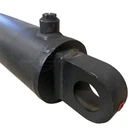
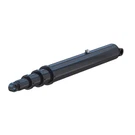
Before we discuss noise levels, let's briefly understand what a Packer Cylinder is. A Packer Cylinder is a crucial component in garbage trucks, specifically designed to compress waste materials. It plays a vital role in increasing the capacity of the garbage truck by compacting the waste, allowing more waste to be collected in a single trip. You can learn more about our Packer Cylinder on our website.
Factors Influencing Noise Levels
Several factors contribute to the noise generated by a Packer Cylinder during operation. Understanding these factors is essential for both us as suppliers and our customers to manage and mitigate noise effectively.
Hydraulic System
The hydraulic system is at the heart of a Packer Cylinder's operation. The flow of hydraulic fluid through the system can create noise. When the fluid is forced through narrow passages or valves, it can cause turbulence, which in turn generates sound waves. Additionally, the pumps in the hydraulic system can produce noise as they work to pressurize the fluid. The type of pump, its design, and its operating conditions all play a role in the noise it generates.
Mechanical Components
The mechanical components of the Packer Cylinder, such as the piston, rod, and seals, can also contribute to noise. As the piston moves within the cylinder, there can be friction between the piston and the cylinder walls. This friction can produce a scraping or rubbing sound. Similarly, the movement of the rod and the interaction with the seals can create noise. Wear and tear on these components over time can exacerbate the noise problem.
Installation and Mounting
The way the Packer Cylinder is installed and mounted can have a significant impact on noise levels. If the cylinder is not properly aligned or secured, it can vibrate during operation, which can lead to increased noise. Additionally, the mounting points can transmit vibrations to the surrounding structure, amplifying the noise.
Operating Conditions
The operating conditions of the Packer Cylinder can also affect noise levels. For example, if the cylinder is operating at high speeds or under heavy loads, it is likely to generate more noise than when operating at lower speeds or lighter loads. Temperature can also play a role, as hydraulic fluid viscosity can change with temperature, affecting the flow and noise characteristics of the system.
Measuring Noise Levels
To accurately assess the noise levels of a Packer Cylinder, we use specialized equipment. Sound level meters are commonly used to measure the intensity of the sound in decibels (dB). These meters can provide objective data on the noise levels at different points around the cylinder and under various operating conditions.
When measuring noise, it's important to consider the background noise in the environment. Background noise can interfere with the measurement of the Packer Cylinder's noise, so we typically take measurements in a controlled environment or use techniques to subtract the background noise from the total measurement.
Our Approach to Noise Reduction
As a responsible supplier, we are committed to minimizing the noise levels of our Packer Cylinders. We employ several strategies to achieve this goal.
Hydraulic System Design
We invest in research and development to optimize the design of our hydraulic systems. By using advanced fluid dynamics simulations, we can design systems that minimize turbulence and pressure fluctuations, reducing the noise generated by the flow of hydraulic fluid. We also select high - quality pumps and valves that are designed to operate quietly.
Component Selection and Quality Control
We carefully select the mechanical components of our Packer Cylinders to ensure they are of the highest quality. We use materials with low friction coefficients to reduce the noise caused by friction between the piston and the cylinder walls. Our quality control processes ensure that all components meet strict standards, reducing the likelihood of noise - causing defects.
Installation and Mounting Guidelines
We provide detailed installation and mounting guidelines to our customers. These guidelines ensure that the Packer Cylinder is installed correctly, minimizing vibrations and noise transmission. We also offer support and training to our customers to help them install and maintain the cylinders properly.
Comparing with Other Cylinders
It's interesting to compare the noise levels of a Packer Cylinder with other types of cylinders used in garbage trucks, such as Tailgate Lift Cylinder and Dump Cylinder. While all these cylinders are part of the hydraulic system in a garbage truck, their functions and operating conditions are different, which can result in different noise levels.
The Tailgate Lift Cylinder is mainly used to lift and lower the tailgate of the garbage truck. Its operation is relatively less complex compared to the Packer Cylinder, and it typically operates at lower pressures and speeds. As a result, it generally generates less noise.
The Dump Cylinder, on the other hand, is used to tilt the body of the garbage truck to dump the waste. It may operate under higher loads and pressures, but its operation is more intermittent compared to the continuous operation of the Packer Cylinder. The noise characteristics of the Dump Cylinder can vary depending on its design and the specific application.


Importance of Noise Reduction
Reducing the noise levels of Packer Cylinders is not just about providing a more pleasant working environment. It also has several practical benefits.
Regulatory Compliance
Many regions have regulations regarding noise pollution. By ensuring that our Packer Cylinders meet or exceed these regulations, we help our customers avoid potential fines and legal issues.
Operator Comfort
Garbage truck operators spend long hours on the job. Excessive noise can cause fatigue, stress, and even hearing damage over time. By reducing the noise levels of our Packer Cylinders, we can improve the comfort and well - being of the operators.
Community Relations
Garbage trucks often operate in residential and commercial areas. High noise levels can be a nuisance to the community. By minimizing the noise generated by our Packer Cylinders, we can help our customers maintain good relations with the communities they serve.
Contact Us for More Information
If you're interested in learning more about our Packer Cylinders and our efforts to reduce noise levels, we'd love to hear from you. Whether you're a garbage truck manufacturer, a fleet operator, or someone in the waste management industry, we can provide you with detailed information about our products and how they can meet your specific needs. Reach out to us to start a conversation about your requirements and explore how our Packer Cylinders can be a valuable addition to your operations.
References
- "Hydraulic Systems: Design, Installation, and Maintenance" - A comprehensive textbook on hydraulic systems that provides in - depth knowledge about the factors affecting noise in hydraulic cylinders.
- "Noise Control in Industrial Environments" - A research paper that discusses various strategies for reducing noise in industrial equipment, including hydraulic cylinders.
- Industry standards and regulations related to noise pollution in the waste management sector.