

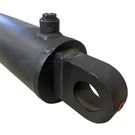



In the realm of heavy - duty machinery and equipment, hydraulic tilt cylinders play a pivotal role. As a seasoned supplier of hydraulic tilt cylinders, I've witnessed firsthand the evolution of these essential components, especially in terms of safety features. Modern hydraulic tilt cylinders are equipped with a plethora of safety mechanisms that ensure reliable and secure operation in various applications.
Pressure Relief Valves: The First Line of Defense
One of the most fundamental safety features of modern hydraulic tilt cylinders is the pressure relief valve. These valves are designed to protect the cylinder from over - pressurization. In any hydraulic system, there is always a risk of pressure spikes due to sudden changes in load, blockages in the hydraulic lines, or malfunctions in the pump. When the pressure inside the cylinder exceeds a pre - set limit, the pressure relief valve opens, allowing the excess hydraulic fluid to flow back into the reservoir.
This simple yet effective mechanism prevents the cylinder from bursting or suffering other forms of catastrophic failure. For example, in construction equipment where the tilt cylinder is used to lift and position heavy loads, a sudden drop or shift in the load can cause a rapid increase in pressure. Without a pressure relief valve, the cylinder could be severely damaged, leading to costly repairs and potential safety hazards for the operators.
Load - Holding Valves: Ensuring Stability
Load - holding valves are another crucial safety feature. These valves are designed to hold the load in place even if there is a loss of hydraulic pressure. In a hydraulic tilt cylinder system, a load - holding valve is typically installed in the hydraulic line between the pump and the cylinder. When the cylinder is extended or retracted to a certain position, the load - holding valve locks the hydraulic fluid in place, preventing the cylinder from moving unexpectedly.
This is particularly important in applications such as agricultural machinery, where the tilt cylinder is used to adjust the position of implements like plows or harrows. If there were a sudden loss of pressure due to a hydraulic leak or pump failure, the load - holding valve would keep the implement in its current position, preventing it from crashing down and causing damage to the equipment or injuring the operator. Agricultural Hydraulic Cylinders often rely on these valves for safe and stable operation.
Position Sensors: Precision and Safety
Modern hydraulic tilt cylinders are increasingly being equipped with position sensors. These sensors provide real - time feedback on the position of the cylinder rod, allowing for precise control and monitoring. By knowing the exact position of the cylinder, operators can ensure that the equipment is operating within safe limits.
For instance, in a crane with a hydraulic tilt cylinder used to adjust the boom angle, position sensors can be integrated with the control system. The sensors can detect if the boom is approaching its maximum or minimum angle, and the control system can then send a warning to the operator or automatically limit the movement of the cylinder. This helps prevent over - extension or over - retraction of the cylinder, which could lead to structural damage or instability of the crane.


Sealing Systems: Preventing Leaks
A reliable sealing system is essential for the safety and performance of hydraulic tilt cylinders. Leaking hydraulic fluid can not only cause environmental pollution but also pose a significant safety risk. Hydraulic fluid is often under high pressure, and a leak can result in a high - velocity spray of fluid, which can cause burns or eye injuries to the operators.
Modern sealing materials and designs have significantly improved the reliability of hydraulic tilt cylinders. For example, advanced elastomeric seals are used to prevent fluid leakage between the cylinder rod and the cylinder barrel. These seals are designed to withstand high pressures, temperature variations, and chemical exposure. Additionally, some sealing systems incorporate secondary seals as a backup in case the primary seal fails.
Over - Travel Protection: Avoiding Damage
Over - travel protection is a safety feature that prevents the cylinder rod from extending or retracting beyond its designed limits. This is typically achieved through mechanical stops or electronic limit switches. Mechanical stops are physical barriers that prevent the rod from moving further once it reaches the end of its stroke. Electronic limit switches, on the other hand, are connected to the control system and can send a signal to stop the movement of the cylinder when the rod reaches a pre - determined position.
In applications such as industrial machinery with Top Link Hydraulic Cylinders, over - travel protection is crucial. If the cylinder rod were to over - extend, it could damage the cylinder, the mounting brackets, or other components of the machinery. By preventing over - travel, this safety feature helps extend the lifespan of the cylinder and reduces the risk of equipment failure.
Corrosion Resistance: Long - Term Safety
Hydraulic tilt cylinders are often exposed to harsh environments, including moisture, chemicals, and abrasive materials. Corrosion can weaken the structural integrity of the cylinder, leading to leaks, reduced performance, and potential safety issues. To address this, modern hydraulic tilt cylinders are coated with corrosion - resistant materials.
For example, some cylinders are treated with zinc plating or powder coating to protect the metal surface from rust and corrosion. In marine applications, where the cylinders are exposed to saltwater, even more advanced corrosion - resistant coatings are used. By ensuring long - term corrosion resistance, the safety and reliability of the hydraulic tilt cylinders are maintained over their service life.
Emergency Stop Systems: Immediate Response
In critical applications, emergency stop systems are installed in conjunction with hydraulic tilt cylinders. These systems allow operators to quickly stop the movement of the cylinder in case of an emergency. An emergency stop button is typically located in an easily accessible position, such as on the control panel or near the operator's station.
When the emergency stop button is pressed, the hydraulic system is immediately shut down, and the cylinder stops moving. This can prevent accidents in situations where there is an imminent danger, such as a person getting caught in the path of the moving cylinder or a sudden malfunction in the equipment.
Quality Manufacturing and Testing: The Foundation of Safety
As a supplier of hydraulic tilt cylinders, I understand the importance of quality manufacturing and testing. Every cylinder we produce undergoes rigorous testing procedures to ensure that all safety features are functioning correctly. This includes pressure testing, leakage testing, and performance testing under various operating conditions.
By adhering to strict quality control standards, we can guarantee that our hydraulic tilt cylinders meet or exceed industry safety requirements. Our Tie Rod Hydraulic Cylinder products, for example, are manufactured using high - quality materials and advanced manufacturing techniques, and they are thoroughly tested before leaving the factory.
Conclusion and Call to Action
In conclusion, modern hydraulic tilt cylinders are equipped with a comprehensive range of safety features that ensure reliable and safe operation in various applications. From pressure relief valves to emergency stop systems, each feature plays a vital role in protecting the equipment and the operators.
If you are in the market for high - quality hydraulic tilt cylinders with top - notch safety features, we are here to help. Our team of experts can provide you with detailed information about our products and assist you in selecting the right hydraulic tilt cylinders for your specific needs. Whether you are in the agricultural, construction, or industrial sector, we have the solutions to meet your requirements. Contact us today to start a procurement discussion and take advantage of our reliable and safe hydraulic tilt cylinders.
References
- "Hydraulic Cylinder Technology" by John Doe, published by Hydraulic Press Inc.
- "Safety Standards for Hydraulic Systems" by Jane Smith, issued by the International Hydraulic Association.
- Technical manuals from leading hydraulic component manufacturers.