

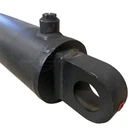

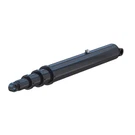


Hey there! As a supplier of telescopic cylinders, I've seen firsthand how these nifty pieces of equipment can make a world of difference in various industries. But like any powerful tool, they come with their own set of safety precautions that you gotta keep in mind. So, let's dive into what you need to know when using telescopic cylinders.
Pre - use Inspection
Before you even think about firing up that telescopic cylinder, a thorough inspection is a must. First off, check the physical condition of the cylinder. Look for any signs of damage, like cracks, dents, or scratches on the cylinder body and the rods. Even a small crack can lead to a big problem down the line, like a sudden failure during operation.
Next, examine the seals. The seals are crucial for keeping the hydraulic fluid in and preventing leaks. If you notice any signs of wear, such as fluid seeping out or a drop in pressure, it's time to replace the seals. You don't want hydraulic fluid leaking everywhere; it's not only a mess but can also be a safety hazard.
Also, take a look at the mounting points. Make sure they're secure and in good condition. Loose mounting points can cause the cylinder to shift during operation, which can lead to misalignment and potential damage to the cylinder and the surrounding equipment.
Installation
Proper installation is key to the safe and efficient operation of telescopic cylinders. When installing, follow the manufacturer's instructions to the letter. This includes using the correct mounting hardware and ensuring the cylinder is aligned correctly.
If you're using a Single Acting Telescopic Cylinders, make sure you understand how it works. Single - acting cylinders rely on an external force, like gravity or a spring, to retract. So, you need to ensure that the external force is sufficient to retract the cylinder smoothly.
For Multistage Cylinders, the installation process can be a bit more complex. Each stage needs to be installed and aligned properly to ensure smooth operation. Again, refer to the manufacturer's guidelines and use the right tools for the job.
Hydraulic System
The hydraulic system is the lifeblood of a telescopic cylinder. It's important to maintain the hydraulic fluid at the right level and quality. Check the fluid regularly and top it up if needed. Also, make sure the fluid is clean. Contaminated fluid can cause damage to the internal components of the cylinder, such as the pistons and valves.
The hydraulic filters play a crucial role in keeping the fluid clean. Replace the filters at the recommended intervals to ensure optimal performance. A clogged filter can restrict the flow of fluid, which can lead to overheating and reduced efficiency of the cylinder.
Monitor the hydraulic pressure. Excessive pressure can cause the cylinder to fail catastrophically. Make sure the pressure relief valves are working properly and set at the correct pressure. If you notice any abnormal pressure fluctuations, stop the operation immediately and investigate the cause.


Operation
During operation, there are several safety precautions to keep in mind. First, never exceed the rated load of the cylinder. Each telescopic cylinder has a maximum load capacity, and exceeding it can lead to failure. This includes both static and dynamic loads.
Keep the area around the cylinder clear of any obstacles. This ensures that the cylinder can extend and retract freely without hitting anything. Also, make sure there are no people standing in the path of the moving parts.
When operating the cylinder, use the controls carefully. Avoid sudden starts and stops, as this can put unnecessary stress on the cylinder and its components. If you're using a remote control system, make sure it's functioning properly and that you're familiar with how to use it.
Maintenance
Regular maintenance is essential for the long - term safety and performance of telescopic cylinders. Create a maintenance schedule and stick to it. This should include tasks like lubricating the moving parts, checking the bolts and nuts for tightness, and inspecting the hoses for any signs of wear or damage.
If you need to replace a telescopic cylinder, consider Replacement Telescopic Cylinders. These are designed to fit your existing equipment and can be a cost - effective solution. Make sure to choose a replacement cylinder that meets the specifications of your original cylinder.
Training
All personnel who operate or work around telescopic cylinders should receive proper training. This training should cover the safe operation of the cylinders, including how to perform pre - use inspections, how to use the controls, and what to do in case of an emergency.
Training should also include information about the potential hazards associated with telescopic cylinders, such as hydraulic fluid leaks, high - pressure injuries, and mechanical failures. By ensuring that everyone is well - trained, you can significantly reduce the risk of accidents.
Emergency Preparedness
Even with all the safety precautions in place, emergencies can still happen. It's important to have an emergency plan in place. This should include procedures for shutting down the cylinder in case of a malfunction, how to handle hydraulic fluid leaks, and what to do in case of an injury.
Make sure that all personnel know where the emergency stop buttons are located and how to use them. Also, have the necessary safety equipment on hand, such as fire extinguishers and first - aid kits.
Conclusion
Using telescopic cylinders can be a great way to get the job done, but it's crucial to follow these safety precautions. By conducting pre - use inspections, installing the cylinder correctly, maintaining the hydraulic system, operating within the limits, and providing proper training, you can ensure the safe and efficient operation of your telescopic cylinders.
If you're in the market for telescopic cylinders or need replacement parts, don't hesitate to reach out. We're here to help you find the right products for your needs and ensure that you have all the information you need to use them safely.
References
- Manufacturer's manuals for telescopic cylinders
- Industry standards and guidelines for hydraulic equipment safety