

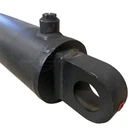

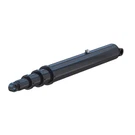


As a supplier of Dump Bed Trucks Hoist, I've witnessed firsthand the challenges that come with the wear and tear of the moving parts in these essential pieces of equipment. The hoist system of a dump bed truck is a complex mechanism that undergoes significant stress during its operation. Understanding the wear-related problems can help in better maintenance, reducing downtime, and ensuring the longevity of the hoist.
1. Friction and Abrasion
One of the most common wear-related problems in the moving parts of a dump bed truck hoist is friction and abrasion. The telescopic cylinders, which are a key component of the hoist system, extend and retract to lift and lower the dump bed. As these cylinders move, the contact between the inner and outer surfaces generates friction. Over time, this friction can cause the surface of the cylinders to wear down.
Abrasion can also occur due to the presence of dirt, dust, and debris. When the truck operates in harsh environments, such as construction sites or mining areas, these particles can enter the hoist system. They act like sandpaper, scratching and wearing away the surfaces of the moving parts. This not only reduces the efficiency of the hoist but can also lead to leaks in the hydraulic system if the seals are damaged.


To mitigate the effects of friction and abrasion, proper lubrication is essential. Regularly applying high-quality lubricants to the moving parts can reduce the friction coefficient, minimizing wear. Additionally, installing protective covers can prevent dirt and debris from entering the hoist system. For more information on high - performance hoist components, you can visit our Dump Trailer Telescopic Kits page.
2. Fatigue Failure
Another significant wear - related issue is fatigue failure. The hoist system of a dump bed truck is subjected to repeated loading and unloading cycles. Each time the dump bed is lifted and lowered, stress is applied to the various components of the hoist, such as the cylinders, pistons, and linkages.
Over time, these repeated stress cycles can cause microscopic cracks to form in the material. As the cracks grow, they can eventually lead to the failure of the component. Fatigue failure is more likely to occur in areas where there are stress concentrations, such as at the welds or at points where the load is transferred.
To prevent fatigue failure, it's important to design the hoist components with proper stress distribution in mind. Using high - strength materials and ensuring proper heat treatment can also increase the fatigue resistance of the parts. Regular inspections can help detect early signs of fatigue, such as cracks or deformation, allowing for timely replacement of the affected components. Our Dump Bed Trucks Hoist products are designed with these considerations in mind to provide long - lasting performance.
3. Corrosion
Corrosion is a major concern, especially for dump bed truck hoists that operate in wet or corrosive environments. When the metal components of the hoist are exposed to moisture, oxygen, and other corrosive substances, a chemical reaction occurs that leads to the formation of rust.
Corrosion can weaken the structural integrity of the hoist components. It can cause the surfaces to become rough, increasing friction and accelerating wear. In severe cases, corrosion can lead to the complete failure of a component, such as a cylinder or a linkage.
To protect against corrosion, the hoist components can be coated with anti - corrosion materials. Galvanizing, painting, or using specialized coatings can create a barrier between the metal and the corrosive environment. Regular cleaning and maintenance to remove any dirt or salt that may accumulate on the hoist can also help prevent corrosion. For a range of hoist kits that are designed to resist corrosion, check out our Tipper Trailer Kits page.
4. Seal Wear
Seals play a crucial role in the hoist system, preventing hydraulic fluid from leaking and keeping contaminants out. However, the seals are also subject to wear. The constant movement of the cylinders and pistons causes the seals to rub against the surfaces, leading to abrasion.
Temperature variations can also affect the performance of the seals. High temperatures can cause the seals to expand and lose their elasticity, while low temperatures can make them brittle and more prone to cracking. Additionally, exposure to hydraulic fluid over time can cause the seals to degrade.
When the seals wear out, hydraulic fluid can leak, which not only reduces the efficiency of the hoist but can also create a safety hazard. Regular inspection of the seals and timely replacement are necessary to ensure the proper functioning of the hoist. Using high - quality seals that are designed to withstand the operating conditions of the dump bed truck is essential.
5. Misalignment
Misalignment of the moving parts can also cause significant wear problems. If the telescopic cylinders are not properly aligned, it can lead to uneven loading on the components. This uneven loading can cause excessive wear on one side of the cylinder or piston, leading to premature failure.
Misalignment can occur due to improper installation, damage to the mounting points, or wear of the supporting structures. Regular alignment checks and adjustments are necessary to ensure that the hoist components are working together smoothly. This can help reduce wear and extend the lifespan of the hoist system.
Conclusion
The wear - related problems with the moving parts of a dump bed truck hoist are diverse and can have a significant impact on the performance and reliability of the equipment. By understanding these problems and taking proactive measures to address them, such as proper lubrication, regular inspections, and using high - quality components, the lifespan of the hoist can be extended, and downtime can be minimized.
As a leading supplier of Dump Bed Trucks Hoist, we are committed to providing high - quality products and solutions to our customers. Our hoist systems are designed to withstand the rigors of daily use and are backed by our expertise in the industry. If you are in the market for a reliable dump bed truck hoist or need assistance with maintenance and repair, we invite you to contact us for a detailed discussion and procurement opportunities.
References
- "Hydraulic Systems in Heavy - Duty Vehicles" - Industry Handbook
- "Maintenance and Troubleshooting of Dump Bed Truck Hoists" - Technical Manual