

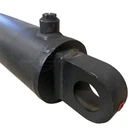



Hey there, folks! As a supplier of Tailgate Lift Cylinders, I've seen my fair share of piston damage in these crucial components. Today, I'm gonna break down what causes this kind of damage, so you can be more aware and take steps to prevent it.
1. Contamination in the Hydraulic Fluid
One of the most common culprits behind piston damage is contamination in the hydraulic fluid. Hydraulic systems in Tailgate Lift Cylinders rely on clean fluid to operate smoothly. When dirt, debris, or other contaminants get into the fluid, it can spell trouble for the piston.


These contaminants act like tiny abrasives. As the piston moves back and forth within the cylinder, these particles get trapped between the piston and the cylinder wall. Over time, they wear down the piston surface, causing scratches and grooves. This not only reduces the piston's efficiency but also compromises its sealing ability. When the seal is broken, hydraulic fluid can leak, leading to a loss of pressure and reduced performance of the Tailgate Lift Cylinder.
To avoid this, it's essential to have a proper filtration system in place. Regularly check and replace the filters to ensure that the hydraulic fluid remains clean. Also, make sure to use high - quality hydraulic fluid from a reputable supplier. You can find more about the importance of clean fluid in hydraulic systems on industry blogs and technical manuals.
2. Overloading
Overloading is another major cause of piston damage. Tailgate Lift Cylinders are designed to handle a specific amount of weight. When you exceed this rated capacity, it puts excessive stress on the piston.
Imagine trying to lift a weight that's way too heavy for you. Your muscles would strain, and you might even get injured. Similarly, when an overloaded Tailgate Lift Cylinder tries to lift a heavy tailgate or a load beyond its limit, the piston has to work much harder. This can lead to bending or cracking of the piston rod.
The increased pressure due to overloading can also cause the piston seals to fail. When the seals fail, hydraulic fluid can leak out, and the cylinder may lose its ability to lift or hold the load properly. To prevent overloading, always check the rated capacity of the Tailgate Lift Cylinder before use. If you need to lift heavier loads, consider upgrading to a more powerful cylinder. You can check out our Tailgate Lift Cylinder product page for different capacity options.
3. Improper Installation
Improper installation can also lead to piston damage. If the Tailgate Lift Cylinder is not installed correctly, it can cause misalignment. When the cylinder is misaligned, the piston doesn't move smoothly within the cylinder.
This misalignment can cause uneven wear on the piston. One side of the piston may experience more friction than the other, leading to premature wear. Additionally, misaligned cylinders can put extra stress on the piston rod, which can lead to bending or breakage.
During installation, make sure to follow the manufacturer's instructions carefully. Use the right tools and ensure that all the mounting points are properly aligned. If you're not confident in your installation skills, it's best to hire a professional technician.
4. Corrosion
Corrosion is a silent killer when it comes to piston damage. Tailgate Lift Cylinders are often exposed to harsh environments, such as moisture, chemicals, and salt. These elements can cause the piston and the cylinder walls to corrode.
Corrosion weakens the metal structure of the piston. It starts by forming small pits on the surface, which gradually grow and can eventually lead to holes or cracks. Once the piston is corroded, its performance is severely affected. It may not move smoothly, and the seals may not work properly.
To prevent corrosion, you can use cylinders with corrosion - resistant coatings. Regularly inspect the cylinders for signs of corrosion and clean them if necessary. If you operate in a particularly harsh environment, consider using additional protective measures, such as covers or shields.
5. Poor Maintenance
Last but not least, poor maintenance is a common cause of piston damage. Tailgate Lift Cylinders require regular maintenance to ensure their optimal performance.
This includes checking the hydraulic fluid level, inspecting the seals for wear, and lubricating the moving parts. If you neglect these maintenance tasks, the piston can suffer. For example, low hydraulic fluid levels can cause the piston to overheat, leading to damage. Worn - out seals can allow contaminants to enter the system, which we've already discussed as a major cause of piston damage.
Create a maintenance schedule and stick to it. Keep a record of all maintenance activities, including fluid changes, filter replacements, and seal inspections. This will help you catch any potential problems early and prevent major piston damage.
How to Deal with Piston Damage
If you suspect that your Tailgate Lift Cylinder has piston damage, the first step is to stop using it immediately. Continuing to use a damaged cylinder can lead to more severe problems and even pose a safety risk.
Inspect the cylinder thoroughly to determine the extent of the damage. If it's a minor issue, such as a small scratch on the piston surface, you may be able to repair it. However, if the piston rod is bent or cracked, or if the piston has significant corrosion, it's usually best to replace the cylinder.
As a Tailgate Lift Cylinder supplier, we offer a wide range of high - quality cylinders to meet your needs. Whether you need a standard cylinder or a custom - made one, we've got you covered. We also provide technical support to help you with installation, maintenance, and troubleshooting.
If you're in the market for a new Tailgate Lift Cylinder, or if you have any questions about piston damage or cylinder maintenance, don't hesitate to reach out. You can also explore our other products like Ejector Cylinders and Packer Cylinder for more comprehensive solutions in the hydraulic cylinder field.
Conclusion
Piston damage in Tailgate Lift Cylinders can be caused by various factors, including contamination, overloading, improper installation, corrosion, and poor maintenance. By being aware of these causes and taking preventive measures, you can extend the lifespan of your cylinders and ensure their reliable performance.
If you're looking for a reliable supplier of Tailgate Lift Cylinders, we're here to help. Contact us to discuss your requirements and get a quote. We're committed to providing you with the best products and services to keep your hydraulic systems running smoothly.
References
- "Hydraulic Systems Handbook" by an industry expert.
- Technical manuals from leading hydraulic cylinder manufacturers.
- Industry blogs and articles on hydraulic system maintenance and troubleshooting.