




Hey there! As a supplier in the hydraulic system industry, I often get asked about different components and their functions. One such component that's crucial yet sometimes misunderstood is the counterbalance valve. So, let's dive into what a counterbalance valve is in a hydraulic system and what it does.
What is a Counterbalance Valve?
A counterbalance valve is a type of hydraulic valve. It's basically a check valve that can be opened hydraulically. In simple terms, it's like a gatekeeper in your hydraulic system. It allows fluid to flow freely in one direction, just like a regular check valve. But when it comes to the reverse flow, it can be controlled and restricted.
Think of it as a traffic cop for the hydraulic fluid in your system. It stands at a cross - junction, deciding when and how much fluid can pass through in the reverse direction. This valve is usually installed in the return line of a hydraulic actuator, like a cylinder or a motor.
How Does it Work?
The operation of a counterbalance valve is pretty interesting. When the hydraulic pump sends fluid to the actuator to make it move, the pressure in the supply line builds up. The counterbalance valve has a spring - loaded poppet inside it. In the normal flow direction (from the pump to the actuator), the fluid pressure easily overcomes the spring force, and the poppet opens up, allowing the fluid to pass through smoothly.
Now, when the actuator needs to retract or slow down, the situation changes. The pressure in the return line tries to push the fluid back through the counterbalance valve. Here, the spring in the valve resists the flow. The valve will only open when the pressure in the return line reaches a certain pre - set level, which is determined by the spring force. This pre - set pressure is called the cracking pressure.
Let's say you have a hydraulic cylinder lifting a heavy load. When you want to lower the load, the counterbalance valve ensures that the load doesn't drop too quickly. It controls the speed of the cylinder's retraction by regulating the flow of fluid out of the cylinder. If there was no counterbalance valve, the heavy load could cause the cylinder to retract at a dangerous speed, leading to potential damage to the equipment and posing a safety risk.
Functions of a Counterbalance Valve
1. Load Holding
One of the primary functions of a counterbalance valve is load holding. In a hydraulic system, there are often situations where you need to keep a load in a fixed position. For example, in a forklift, when you lift a pallet of goods to a certain height, you want it to stay there without any unwanted movement. The counterbalance valve prevents the load from dropping by blocking the reverse flow of fluid from the actuator. It acts as a mechanical lock, holding the pressure in the actuator's chamber and keeping the load stable.
2. Speed Control
As I mentioned earlier, the counterbalance valve helps in controlling the speed of an actuator. By regulating the flow of fluid in the return line, it can slow down or speed up the movement of the actuator. This is especially important in applications where precise speed control is required, such as in a robotic arm or a crane. You can adjust the cracking pressure of the valve to achieve the desired speed of the actuator.
3. Overload Protection
Counterbalance valves also provide overload protection to the hydraulic system. If there is a sudden increase in the load on the actuator, the pressure in the system can rise to dangerous levels. The counterbalance valve can prevent this by limiting the flow of fluid and maintaining a safe pressure in the system. It acts as a safety valve, protecting the hydraulic components from damage due to excessive pressure.
Applications in Different Industries
Counterbalance valves are used in a wide range of industries. In the construction industry, they are used in excavators, bulldozers, and cranes. These machines often deal with heavy loads, and the counterbalance valve ensures that the lifting and lowering operations are safe and controlled.
In the automotive industry, counterbalance valves can be found in trucks. For example, in trucks with hydraulic lift gates, the valve helps in smoothly raising and lowering the gate. You can check out our Piston Pumps for Trucks and Gear Pumps for Trucks which often work in conjunction with counterbalance valves to provide efficient hydraulic power.
In the manufacturing industry, counterbalance valves are used in hydraulic presses, injection molding machines, and other equipment where precise control of the actuator's movement is necessary.
Choosing the Right Counterbalance Valve
When it comes to choosing a counterbalance valve for your hydraulic system, there are a few things to consider. First, you need to know the maximum pressure that the valve will be exposed to. This will help you select a valve with the appropriate cracking pressure.
You also need to consider the flow rate of the hydraulic fluid. The valve should be able to handle the required flow rate without causing excessive pressure drops. Additionally, the size and type of the actuator in your system will also influence your choice of the counterbalance valve.


Another important factor is the quality of the valve. A high - quality counterbalance valve will be more reliable and durable, reducing the chances of breakdowns and maintenance issues. At our company, we offer a wide range of counterbalance valves that are designed to meet the diverse needs of different hydraulic systems.
Complementary Components
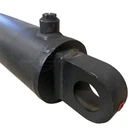
Counterbalance valves don't work alone in a hydraulic system. They often work in tandem with other components. For example, a Piston Rod is an essential part of a hydraulic cylinder. The counterbalance valve controls the movement of the piston rod by regulating the fluid flow. If the counterbalance valve malfunctions, it can affect the performance of the piston rod and the entire hydraulic cylinder.
Why Choose Our Hydraulic Systems?
We understand that every hydraulic system is unique, and that's why we offer customized solutions. Our team of experts can help you select the right counterbalance valve and other hydraulic components for your specific application. We have a wide range of products in stock, so you can get your hands on the components you need quickly.
Our products are known for their high quality and reliability. We use the latest manufacturing techniques and materials to ensure that our hydraulic components can withstand the toughest conditions. Whether you're in the construction, automotive, or manufacturing industry, we have the right solution for you.
Let's Talk!
If you're in the market for a counterbalance valve or any other hydraulic system components, we'd love to hear from you. Whether you have questions about our products, need help with system design, or are ready to place an order, just reach out to us. We're here to provide you with the best products and services in the hydraulic system industry.
References
- "Hydraulic Systems: Components, Design, and Applications" by Tom Irvine
- "Fluid Power with Applications" by Anthony Esposito
So, that's all about counterbalance valves in a hydraulic system. I hope this blog has given you a better understanding of these important components. If you have any more questions, feel free to ask!