

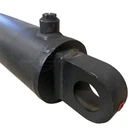



Hey there! I'm a supplier of Piston Rods, and today I want to chat about something super important: the effect of piston rod design on fuel consumption. It might not be the most glamorous topic, but it's crucial for anyone looking to save some bucks on fuel and make their engines run more efficiently.
Let's start with the basics. What exactly is a piston rod? Well, in simple terms, a piston rod is a crucial component in an engine or a hydraulic system. It connects the piston to the crankshaft, transmitting the force generated by the piston's movement to the rest of the system. You can learn more about it here.
Now, how does the design of a piston rod impact fuel consumption? There are several factors at play here, and I'll break them down for you.
1. Material and Weight
The material used to make the piston rod can have a significant impact on fuel consumption. Lighter materials, such as aluminum alloys, can reduce the overall weight of the engine. When the engine has less weight to move, it requires less energy, which in turn means less fuel is burned. For example, if a traditional steel piston rod weighs 5 kilograms, and an aluminum alloy piston rod weighs only 2 kilograms, the engine will have to work less to move the lighter rod. This reduction in workload can lead to noticeable fuel savings over time.
On the other hand, using high - strength materials can also be beneficial. Even though they might be a bit heavier, they can withstand higher pressures and temperatures without deforming. This means the engine can operate more efficiently, and fuel can be burned more completely. For instance, some advanced titanium alloys are being used in high - performance piston rods. They offer a great balance between strength and weight, helping engines achieve better fuel economy.
2. Surface Finish
The surface finish of a piston rod is another critical factor. A smooth surface finish reduces friction between the piston rod and the surrounding components, like the cylinder walls and the bearings. When there's less friction, the engine doesn't have to work as hard to move the piston rod. This results in less energy loss and, you guessed it, lower fuel consumption.
Manufacturers use various techniques to achieve a smooth surface finish on piston rods. One common method is grinding and polishing. By carefully controlling the grinding process, they can ensure that the surface roughness is within a very tight tolerance. This not only improves fuel efficiency but also extends the lifespan of the piston rod and other engine components.
3. Design Geometry
The shape and dimensions of a piston rod can also affect fuel consumption. For example, the diameter of the piston rod plays a role. A larger diameter rod might provide more stability, but it also increases the contact area with the surrounding components, which can lead to more friction. On the other hand, a smaller diameter rod reduces friction but might not be strong enough to handle high - pressure applications.
The length of the piston rod is also important. A longer rod can change the stroke length of the piston, which affects the compression ratio of the engine. A higher compression ratio generally means more efficient fuel combustion, but it also requires the engine to be designed to handle the increased pressure. Engine designers have to find the right balance between rod length, diameter, and other factors to optimize fuel consumption.
4. Lubrication Channels
Some modern piston rod designs incorporate lubrication channels. These channels allow lubricating oil to flow directly to the critical contact points between the piston rod and other components. Proper lubrication reduces friction and wear, and it also helps to dissipate heat. When the engine components are well - lubricated, they operate more smoothly, and less energy is wasted.
For example, in a truck engine, the piston rods with built - in lubrication channels can ensure that the bearings and the piston - rod joints are always well - lubricated. This not only improves fuel efficiency but also reduces the risk of engine failure due to overheating or excessive wear. You can check out some piston pumps for trucks that might work well with these advanced piston rods here.
5. Sealing Design
A good sealing design around the piston rod is essential for fuel efficiency. If there are leaks around the piston rod, it can lead to a loss of pressure in the combustion chamber. This means that the engine has to work harder to achieve the same power output, resulting in increased fuel consumption.
Sealing materials and the way they are designed to fit around the piston rod are crucial. For example, using high - quality rubber seals that can withstand high temperatures and pressures can prevent leaks. Additionally, some piston rods are designed with multiple sealing rings to provide an extra layer of protection against leaks.
Real - World Impact
To give you an idea of how these design factors can impact fuel consumption in the real world, let's take a look at some examples. In a small passenger car, a well - designed piston rod can improve fuel economy by 3 - 5%. Over the course of a year, if a car drives 15,000 miles and gets 30 miles per gallon, a 3% improvement in fuel economy would mean saving about 15 gallons of gas. That's not a huge amount, but it adds up over time, and it's better for the environment too.
In larger vehicles, like trucks and buses, the impact can be even more significant. A truck that travels long distances every day can save hundreds or even thousands of dollars in fuel costs over a year with the right piston rod design. This is especially important for fleet operators, who are always looking for ways to reduce operating costs.
Conclusion
As you can see, the design of a piston rod has a profound effect on fuel consumption. From the material and weight to the surface finish, geometry, lubrication channels, and sealing design, every aspect plays a role in making an engine more fuel - efficient.
If you're in the market for high - quality piston rods, we've got you covered. Our piston rods are designed with the latest technology and materials to ensure optimal performance and fuel savings. Whether you're a small - scale mechanic or a large - scale fleet operator, we can provide the right piston rods for your needs.


We're always happy to discuss your specific requirements and help you find the best piston rod design for your engines. If you're interested in learning more or want to start a procurement discussion, don't hesitate to reach out. We're here to help you save money on fuel and keep your engines running smoothly.
References
- Automotive Engineering Handbook, 3rd Edition
- Journal of Engine Design and Fuel Efficiency
- Proceedings of the International Conference on Advanced Piston Rod Technologies