

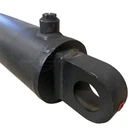



As a supplier of Side Tipper Cylinders, I often get asked about the energy consumption of these crucial components. In this blog, I'll delve into the factors that influence the energy consumption of a Side Tipper Cylinder, how to calculate it, and ways to optimize it for better efficiency.
Understanding Side Tipper Cylinders
Side Tipper Cylinders are an essential part of many industrial and transportation applications. They are used to tilt or tip containers, trucks, or other equipment to unload materials such as gravel, sand, or waste. The cylinders work by converting hydraulic energy into mechanical force, which is then used to perform the tipping action. You can find more information about our Side Tipper Cylinders here.
Factors Affecting Energy Consumption
Several factors contribute to the energy consumption of a Side Tipper Cylinder. Understanding these factors is key to managing and reducing energy use.
1. Cylinder Size and Capacity
The size and capacity of the cylinder play a significant role in energy consumption. Larger cylinders with higher stroke lengths and bore diameters require more hydraulic fluid to operate. This means that more energy is needed to pump the fluid into the cylinder to generate the necessary force for tipping. For example, a cylinder with a larger bore will need more pressure to move the piston, and this increased pressure demands more energy from the hydraulic pump.
2. Operating Pressure
The operating pressure of the cylinder is another crucial factor. Higher operating pressures require more energy to maintain. When the cylinder is under high pressure, the hydraulic pump has to work harder to supply the fluid at the required pressure. This can lead to increased energy consumption, especially if the pressure is not optimized for the specific application.


3. Friction and Leakage
Friction within the cylinder and hydraulic system can also contribute to energy losses. The piston moving inside the cylinder experiences friction against the cylinder walls, and this friction requires additional energy to overcome. Additionally, hydraulic leaks in the system can cause a loss of pressure and fluid, forcing the pump to work harder to maintain the required pressure. This not only wastes energy but can also lead to reduced system performance and increased maintenance costs.
4. Load and Tipping Frequency
The load being tipped and the frequency of tipping operations also impact energy consumption. A heavier load requires more force to tip, and thus more energy. Similarly, if the tipping operations are frequent, the cylinder will be in operation more often, leading to higher overall energy use. For instance, in a busy construction site where a side tipper truck is constantly unloading materials, the energy consumption of the cylinder will be significantly higher compared to a less frequently used application.
Calculating Energy Consumption
Calculating the energy consumption of a Side Tipper Cylinder involves understanding the basic principles of hydraulic systems. The energy required to operate a cylinder can be estimated using the following steps:
1. Determine the Force Required
The first step is to calculate the force needed to tip the load. This can be done using the formula (F = P \times A), where (F) is the force, (P) is the pressure, and (A) is the cross - sectional area of the piston. The cross - sectional area (A=\pi\times(d/2)^2), where (d) is the bore diameter of the cylinder.
2. Calculate the Work Done
Once the force is determined, the work done by the cylinder can be calculated. Work (W = F\times s), where (s) is the stroke length of the cylinder. The work done represents the energy required to move the load through the specified distance.
3. Consider Efficiency
It's important to note that hydraulic systems are not 100% efficient. There are losses due to friction, leakage, and other factors. To account for these losses, the calculated work should be divided by the efficiency of the hydraulic system. The efficiency of a typical hydraulic system can range from 70% to 90%.
Optimizing Energy Consumption
As a supplier, we understand the importance of energy efficiency for our customers. Here are some ways to optimize the energy consumption of Side Tipper Cylinders:
1. Proper Sizing
Ensure that the cylinder is properly sized for the application. A cylinder that is too large will consume more energy than necessary, while a cylinder that is too small may not be able to handle the load. Our team of experts can help you select the right size of Side Tipper Cylinder based on your specific requirements.
2. Pressure Optimization
Regularly monitor and adjust the operating pressure of the cylinder. Use pressure - control valves to maintain the optimal pressure for the load being tipped. This can significantly reduce energy consumption without compromising the performance of the cylinder.
3. Maintenance
Proper maintenance is essential for reducing energy losses. Regularly check for hydraulic leaks and repair them promptly. Lubricate the moving parts of the cylinder to reduce friction. This not only improves the efficiency of the cylinder but also extends its service life.
4. Use of Energy - Efficient Components
Consider using energy - efficient hydraulic pumps and other components in the system. Newer models of pumps are designed to consume less energy while providing the same level of performance. For example, variable - displacement pumps can adjust their output based on the demand, reducing energy waste.
Related Products
In addition to Side Tipper Cylinders, we also offer a range of other hydraulic cylinders. Our Brick Machine Hydraulic Cylinders are designed for the specific requirements of brick - making machines, providing reliable and efficient operation. We also have Clevis Hydraulic Cylinders that are suitable for various industrial applications.
Conclusion
The energy consumption of a Side Tipper Cylinder is influenced by several factors, including cylinder size, operating pressure, friction, and load. By understanding these factors and taking appropriate measures to optimize energy use, you can reduce operating costs and improve the overall efficiency of your hydraulic system. As a supplier, we are committed to providing high - quality Side Tipper Cylinders and offering expert advice on energy optimization. If you are interested in learning more about our products or need help with your specific application, we encourage you to contact us for further discussion and potential procurement.
References
- Fluid Power Handbook, published by the International Fluid Power Society.
- Hydraulic System Design and Application Guide, available from leading hydraulic component manufacturers.